How Much Exercise Do Saint Bernards Need? A Veterinarian‘s Guide for Dog Lovers
As a veterinarian and devoted dog lover, I‘m often asked about the exercise needs of various breeds. When it comes to the majestic Saint Bernard, many are surprised to learn that these gentle giants have fairly moderate activity requirements, despite their impressive stature. Today, we‘ll dive deep into the world of Saint Bernard exercise, exploring everything from their daily needs to special considerations for puppies to breed-specific health concerns. By the end, you‘ll have a comprehensive understanding of how to keep your Saint Bernard happy, healthy, and well-exercised. Let‘s get started!
Understanding the Saint Bernard Breed
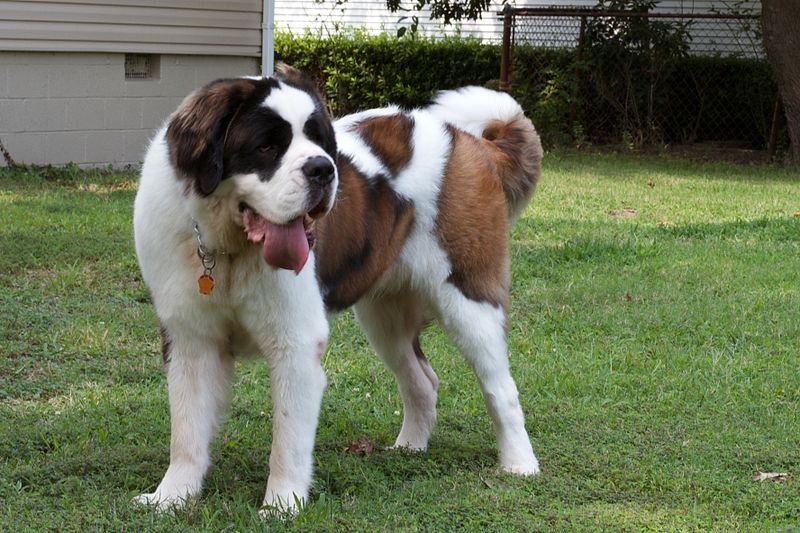
To grasp the Saint Bernard‘s exercise needs, it‘s essential to understand their breed characteristics and history. These massive dogs were originally bred in the Swiss Alps as rescue dogs, known for their incredible strength, keen sense of smell, and ability to traverse snowy, treacherous terrain. Today, they are beloved family companions, celebrated for their gentle temperament, patience with children, and oversized cuddles.
A full-grown Saint Bernard typically weighs between 120-180 pounds and stands 25-30 inches tall at the shoulder. They have a thick, dense coat that protects them from the elements, with colors ranging from red and white to brindle. Despite their size, Saints are generally low-key, calm dogs with a somewhat lazy disposition. They aren‘t overly playful or high-energy, which means their exercise needs are quite manageable for a giant breed.
It‘s worth noting that Saint Bernards are not extremely popular dogs – they ranked 65th out of 197 breeds in AKC registrations in 2021. This is likely due to their substantial size, grooming requirements, and potential health issues (more on that later). However, those who love the breed are utterly devoted. As the Saint Bernard Club of America puts it, "Saints are rare souls who offer boundless love, comedy and cuddles. They are not for the fastidious or faint of heart, but for those seeking an unparalleled companion."
Exercise Needs for Adult Saint Bernards
A healthy adult Saint Bernard requires a moderate amount of daily exercise to maintain their physical and mental well-being. Generally, 30 minutes to an hour of low-impact activity each day is sufficient. This can be broken up into a couple of 15-30 minute sessions, such as a morning and evening walk around the neighborhood or a visit to the local park.
When walking your Saint, let them set the pace and avoid pushing them to move faster than they‘re comfortable with. Their long strides may be slower than your normal gait, so be patient and enjoy the leisurely stroll. If your Saint starts to lag behind, pant excessively, or seem tired, it‘s time to head home and rest.
In addition to walks, regular play sessions are beneficial for Saints. Aim for about 30 minutes of playtime each day, which can be divided into a few 10-15 minute sessions. Gentle games like fetch, hide-and-seek, or tug-of-war with a sturdy toy are great options. Just be sure to avoid any activities that involve jumping or quick pivots, as these can put undue stress on their joints.
It‘s crucial to monitor your Saint Bernard during exercise and look for signs of fatigue or overexertion. Excessive panting, glazed eyes, heavy drooling, vomiting, or unsteadiness can all indicate heatstroke, which requires immediate veterinary attention. Saints are particularly prone to overheating due to their thick coats and large size, so be cautious when exercising in warm weather. A good rule of thumb is to avoid activity when the temperature and humidity index is over 150.
Dr. Linda Simon, MVB MRCVS, a veterinary surgeon and consultant for FiveBarks, emphasizes the importance of moderation for giant breeds like Saints: "Giant breeds like Saints are prone to joint issues, so over-exercising, especially when young, can increase inflammation and lead to arthritis. Steady, controlled exercise and maintaining a lean body condition are key."
Exercising Saint Bernard Puppies
Puppy exercise requires even greater care and moderation to protect their developing bones and joints. Saint Bernards grow rapidly in their first year, going from about 25-35 pounds at 2 months to 50-75 pounds at 4 months to 75-100 pounds at 6 months. By a year old, they can weigh 100-150 pounds or more. This rapid growth makes them susceptible to orthopedic issues if over-exercised.
The general guideline for puppy exercise is 5 minutes per month of age, twice a day, until fully grown (around 18-24 months for Saints). So, a 3-month-old Saint puppy would have 15-minute exercise sessions twice a day, while a 6-month-old would have 30-minute sessions. Low-impact activities like short, leisurely walks and gentle play sessions are ideal. Avoid stairs, rough terrain, and any jumping or jarring motions.
Remember, puppies have bursts of energy followed by long naps, so several short activity sessions throughout the day with plenty of rest in between is the way to go. If your puppy flops down during a walk or playtime, don‘t force them to keep going – they‘re telling you they‘ve had enough.
Mental Stimulation Matters
Exercise isn‘t just physical – mental stimulation is equally important for Saint Bernards. These intelligent dogs thrive with consistent training, socialization, and brain games. Incorporate 10-15 minute obedience or trick training sessions into your daily routine, using positive reinforcement methods like praise, petting, and high-value treats. Puzzle feeders, snuffle mats, and interactive toys are also excellent for encouraging mental exertion.
Well-trained Saints are a joy to live with, so start training early (in puppy kindergarten classes or with a certified positive trainer) and keep sessions short and upbeat. With their people-pleasing nature and eagerness to learn, Saints excel in obedience and can even participate in sports like drafting (cart-pulling), agility (modified for their size), and therapy work.
Breed-Specific Health Concerns
While Saint Bernards are generally healthy dogs, they are predisposed to certain health conditions that can impact their exercise tolerance and quality of life. These include:
- Hip and elbow dysplasia: Like many large breeds, Saints have an increased incidence of these orthopedic disorders. Proper exercise, maintaining a healthy weight, and joint supplements can help manage symptoms.
- Gastric dilatation volvulus (GDV or bloat): Saints‘ deep chests make them susceptible to this life-threatening condition where the stomach twists and fills with gas. Avoid vigorous exercise or excitement 1 hour before and after meals, and know the signs (distended abdomen, retching, restlessness, collapse). GDV is a medical emergency.
- Heat intolerance: As mentioned, Saints are prone to overheating due to their thick coats and large size. Limit exercise in hot, humid weather and provide ample shade and cool water. Never leave a Saint in a car, even with windows cracked.
- Osteosarcoma (bone cancer): Saints have a higher-than-average risk for this aggressive cancer. While the exact cause is unknown, repetitive stress or injury may play a role. Watch for signs like lameness, swelling, or pain, and consult your vet promptly.
Regular check-ups, a high-quality diet, and careful monitoring during exercise can help catch and manage these issues early. Be sure to discuss any concerns with your veterinarian, who can provide tailored guidance based on your Saint‘s unique needs.
Saint Bernard Exercise Compared to Other Large Breeds
Curious how the Saint Bernard‘s activity needs stack up against other large and giant breeds? Here‘s a quick comparison:
| Breed | Daily Exercise Needs |
|---|---|
| Saint Bernard | 30-60 minutes moderate |
| Great Dane | 30-60 minutes moderate |
| Mastiff | 30-45 minutes moderate |
| Newfoundland | 30-60 minutes moderate |
| Bernese Mountain Dog | 30-60 minutes moderate |
| Rottweiler | 1-2 hours moderate |
| Doberman Pinscher | 1-2 hours moderate/vigorous |
| Labrador Retriever | 1-2 hours moderate/vigorous |
As you can see, the Saint Bernard falls on the lower end of the exercise spectrum compared to other sizable breeds. Of course, every dog is an individual, and factors like age, health status, and energy level can all affect exercise requirements. The best approach is to let your Saint guide you and consult with your vet if you have concerns.
Embracing the Saint Bernard Lifestyle
Living with a Saint Bernard is an experience like no other. These gentle giants are renowned for their steadfast loyalty, goofy sense of humor, and penchant for lounging around the house. They crave companionship and adore being close to their humans, whether that means following you from room to room, leaning against your leg, or plopping their massive head in your lap.
While Saints may not need extensive exercise, they still require commitment in terms of space, grooming, and tolerance for drool. These dogs take up a lot of room (both physically and in your heart) and are not well-suited for apartments or small homes. They shed heavily, especially during seasonal coat blows, and need regular brushing and occasional baths to keep their skin and coat healthy. And of course, there‘s the drool – Saints are notorious for their stringy saliva that often ends up on clothes, furniture, and faces.
But for those who can embrace the hair, slobber, and sheer size of the Saint Bernard, the rewards are immeasurable. These dogs are fiercely devoted to their families and have a special affinity for children. They‘re generally friendly with strangers and get along well with other pets, making them amiable additions to most homes. And while they may not be the most energetic companions, they more than make up for it with their easygoing nature, soulful eyes, and oversized capacity for love.
Final Thoughts
In summary, the Saint Bernard is a magnificent breed with manageable exercise needs, requiring about 30-60 minutes of moderate activity each day. This can be achieved through leisurely walks, low-key play sessions, and regular mental stimulation in the form of training and puzzle toys. Giant breed puppies like Saints need special care to avoid over-exertion and protect their growing bones and joints.
Despite their size, Saints are not high-energy dogs and are content with a relatively laid-back lifestyle. However, they do require a significant investment in terms of space, grooming, and tolerance for drool. Potential owners should also be aware of breed-specific health concerns like hip dysplasia, bloat, heat intolerance, and osteosarcoma.
For those prepared to meet the Saint Bernard‘s needs, the payoff is immense. These gentle giants offer unwavering loyalty, infectious humor, and an abundance of love that‘s impossible to quantify. With proper care, nutrition, and yes, a moderate amount of daily exercise, Saints can live long, happy lives as cherished family members and slobbery soulmates.
As a veterinarian and dog lover, I can attest to the unique charm and challenges of living with a Saint Bernard. Their exercise needs may be modest, but their capacity for love is anything but. If you‘re considering adding a Saint to your life, do your research, prepare your home (and wardrobe), and get ready for a laughter, loyalty, and love on a scale you‘ve never experienced before. The Saint Bernard may not be the right fit for everyone, but for those who appreciate their oversized hearts and easygoing nature, there‘s truly no better companion.