The Mesmerizing Silver Labrador Retriever: A Comprehensive Guide
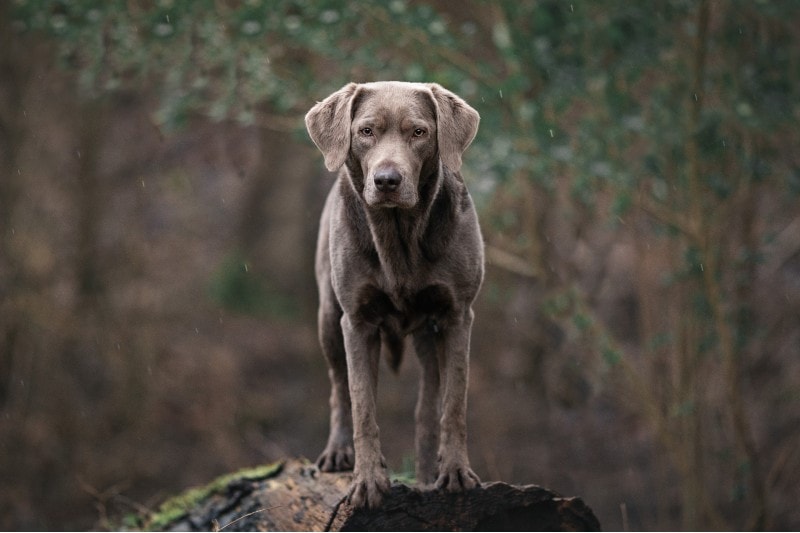

Have you ever stopped in your tracks to admire a Labrador retriever, only to do a double-take upon realizing they were a breathtaking silver color instead of the more common black, yellow, or chocolate? Silver Labrador retrievers are a relatively rare and sometimes controversial color variety that have been captivating dog lovers with their unique beauty for decades. Whether you‘re already smitten with silver Labs or are curious to learn more, this comprehensive guide will delve into their origins, characteristics, care requirements, and special charms.
The Genetics and History Behind Silver Labs
The silver coat color in Labrador retrievers is caused by a dilution gene known as the D locus. This recessive gene dilutes the chocolate coat to a cool, metallic gray. While black and yellow are the most dominant Lab colors, followed by chocolate, silver is the rarest shade with only an estimated 8% of puppies born and registered being silver.
Mentions of silver Lab puppies first appeared in the 1920s. Dean Crist, an early 20th-century breeder, noted puppies being "smoky in color, or gray" in his kennels as early as 1927. The color gained more attention in the 1950s when additional silver puppies were born and started to establish the shade as a recognizable Lab variety.
However, silver Labs soon became embroiled in controversy. Some theorized that the unusual color must have originated from crossbreeding Labs with Weimaraners. Claims spread that silvers were not purebred and registering them as chocolate Labs was inaccurate.
Genetic testing conducted by Alfort School in France and the University of California Davis later concluded that silver is a shade of chocolate produced by purebred Lab breeding and inheritance of the recessive dilution gene from both parents. Today, the American Kennel Club allows silvers to be registered but only as a subset of chocolate. The shade is still not accepted for competition in the conformation show ring.
Additional alternate Lab colors have faced similar controversies. The fox red shade, while recognized as a dark shade of yellow, was once claimed to come from crossbreeding with Vizslas. Champagne, while not officially recognized by the AKC, is another dilute shade sometimes seen in Labs.
Physical Characteristics and Conformation
The AKC breed standard stipulates that mature male Labrador retrievers should stand 22.5 to 24.5 inches tall at the withers and weigh 65 to 80 pounds. Females should reach 21.5 to 23.5 inches and weigh 55 to 70 pounds.
Silver Labs, like Labs of other colors, should be strongly built with an athletic, powerful physique. They should be of medium length with a deep chest, level top line, and muscular hindquarters built for active endeavors. The head should be broad with a wide, deep muzzle and kind, expressive eyes. Ears should hang close to the head.
The silver coat may range in shade from pale to dark charcoal gray. Puppies are born black before lightening to silver as they mature. The fur should be short, dense, and water-resistant. While grooming needs are minimal, regular brushing will help keep the silver coat glossy.
It‘s crucial not to let any color of Lab become overweight, as excess pounds place strain on their joints and shorten their lifespan. Judges report that 60% of Labs in competitions are overweight. Strive to keep your silver Lab lean, with visible definition of the waist and ribs you can feel but not see.
America‘s Favorite Breed and Their Winning Temperament
Labrador retrievers have topped the American Kennel Club‘s list of most popular dog breeds for a record-breaking 30 consecutive years. There are currently over 350,000 new Labs registered with the AKC annually. Their gentle, friendly, eager-to-please temperament makes them exceptional family dogs.
In a survey of 200 veterinary professionals:
- 95% described Labs‘ temperament as friendly and outgoing
- 85% said Labs are highly trainable
- 98% rated Labs as playful and energetic
- 93% considered Labs patient and good with children
Stanley Coren, a canine psychology expert, ranks Labrador retrievers as the 7th most intelligent dog breed out of 138 evaluated. They excel in obedience training, quickly grasping new commands and happily performing them to make their owners proud.
This winning combination of friendliness, affability, trainability, and athleticism makes Labs popular as service and therapy dogs in addition to active family companions. The Labrador‘s versatile working abilities span:
- Disability assistance
- Search and rescue
- Drug and explosives detection
- Hunting and field trials
Whether serving their community or playing fetch in the backyard, silver Labs share the same delightful temperament that has made chocolate, black, and yellow Labs beloved for generations.
Caring for Your Silver Companion
Labrador retrievers were bred as active working dogs and require ample daily exercise to stay physically and mentally fit. Plan to give your silver Lab a minimum of 60-80 minutes of physical activity per day, broken up into two or more sessions. In addition to leashed walks, Labs enjoy:
- Swimming
- Playing fetch
- Running alongside a bike
- Competing in canine sports like agility and dock diving
Without an outlet for their energy, bored Labs may develop undesirable behaviors like excessive chewing, barking, or digging. Mental stimulation through puzzle toys, scent games, or obedience drills is as important as physical exertion.
To fuel their active lifestyle, silver Labs need a high quality, protein-rich diet. Dr. Jennifer Coates, veterinary expert for PetMD, advises that active adult Labs weighing 70 pounds should eat approximately 1500 calories per day, divided into two meals.
The most common inherited health issues in Labs that owners should be aware of include:
- Hip and elbow dysplasia
- Eye disorders like progressive retinal atrophy
- Exercise induced collapse
Reputable silver Lab breeders will screen their breeding stock for these issues and share health clearances with puppy buyers. The Orthopedic Foundation for Animals provides statistics on hip dysplasia in Labs:
| Hip Grade | # of Evaluations | Percent of Total |
|---|---|---|
| Excellent | 24,145 | 12.4% |
| Good | 82,025 | 42.2% |
| Fair | 42,491 | 21.8% |
| Borderline | 13,171 | 6.8% |
| Mild | 19,262 | 9.9% |
| Moderate | 10,500 | 5.4% |
| Severe | 3,028 | 1.6% |
Regular vet checkups, a lean weight, and joint supplements can help prevent issues.
Silver Labs may also have a slightly elevated risk of color dilution alopecia compared to other colors. This condition can cause patchy hair loss and dry, flaky skin. Dr. Mennemeyer, a veterinary dermatologist, explains that meticulous grooming and a diet rich in omega fatty acids can help keep a silver Lab‘s coat and skin healthy.
The Special Appeal of Silver
One undeniable trait of silver Labs is that they turn heads with their striking, unique appearance. Marissa Gese, a silver Lab owner from Seattle, describes the reaction her pup gets:
"Everywhere we go, people stop and ask about his unusual color. They can‘t take their eyes off him! His coat gleams in the sun and he looks so noble and regal, like he should be on Game of Thrones. He definitely stands out from other Labs at the dog park and gets a ton of compliments."
The shimmery, contemporary look of a silver coat gives this Lab variety an extra edge of sophistication and trendiness. Their color photographs beautifully and really pops against natural backgrounds.
But silver Lab owners are quick to point out that their dogs‘ appeal goes far beyond their eye-catching coat. Alison Feder, who shows her silver Lab in obedience and rally, shares:
"The best thing about silver Labs is that they have that classic Lab temperament that makes you fall in love. My girl is so affectionate, goofy, and attuned to me. She has an outstanding work ethic and is happiest when learning something new. She‘s such a joy to train and compete with. The silver is beautiful, but it‘s the Labs‘ brains and personality that really hooks you."
If you‘re considering adding a silver Lab to your family, look for a responsible breeder who performs all recommended health screenings, provides proof of purebred pedigree, and focuses on temperament and trainability in addition to color. Top silver Lab breeders in the United States include:
- Saunders Silver Labs in North Carolina
- Silver Labrador Retrievers of Michigan
- Rocky Creek Farms in Oklahoma
- Chien d‘Argent Kennel in Florida
You may also find silver Labs available for adoption through the Labrador Retriever Rescue network.
When you open your heart and home to a silver Lab, you‘ll have a constant companion who lives to love you, learn from you, and share in your active, engaged lifestyle. Whether they‘re romping at the beach, posing majestically for photos, or dozing contentedly at your side, silver Labs capture the athleticism, intelligence, and affectionate nature of America‘s favorite breed in one stunning, standout package.

This in-depth guide to silver Labrador retrievers was written by Marion Rhodes, a certified professional dog trainer and canine behavior consultant with over 15 years of experience working with Labs and their owners.
For more information about the silver Lab controversy and genetics, see:
- "The Silver Lining: History and Genetics of Silver Labrador Retrievers" by D.L. Busch in The Retriever Journal
- "A Genetic Explanation for Silver Labrador Retrievers" by the Veterinary Genetics Laboratory at UC Davis