The Magnificent Mastweiler: A Comprehensive Guide to the Mastiff-Rottweiler Mix
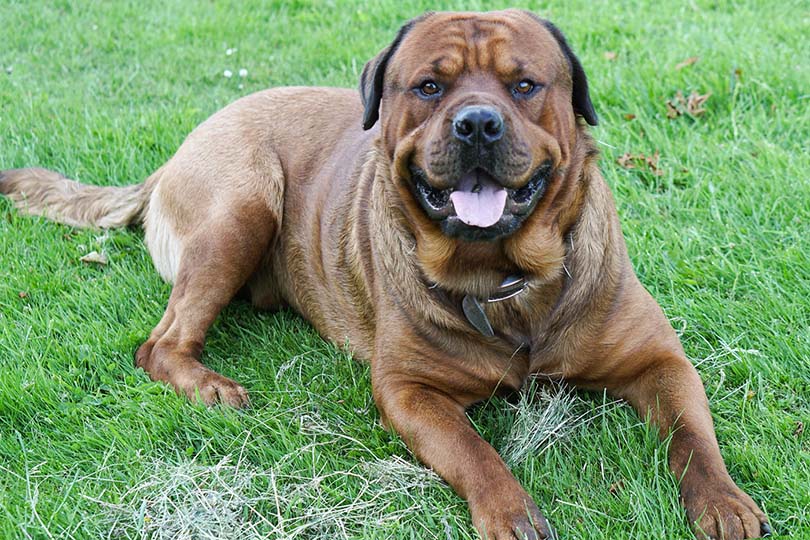
Are you searching for a loyal, loving companion who will also fearlessly protect your home and family? Do you have ample space in your abode and your heart for a truly giant dog? Then allow us to introduce you to the magnificent Mastweiler!
What Exactly is a Mastweiler?
The Mastweiler is a hybrid dog bred by crossing a Mastiff with a Rottweiler. Most often, the Mastiff parent is the English Mastiff, but occasionally a Bullmastiff or Neapolitan Mastiff is used. The Rottweiler genes tend to dominate in appearance, but the Mastweiler tends to have a slightly mellower temperament than a purebred Rottie.
The goal in creating Mastweilers is to produce the ultimate guard dog – an animal with the massive size and imposing presence of a Mastiff, combined with the athleticism, intelligence and work drive of the Rottweiler. Mastweilers are indeed the superheroes of the canine world when it comes to protecting their people and property.
Mastweiler Size and Appearance
As you might expect from a Mastiff mix, Mastweilers are colossal canines. According to Dogell.com, on average Mastweilers stand 27-32 inches tall at the shoulder and weigh a whopping 120-230 pounds when full grown. Males are typically larger than females.
However, there can be significant size variations in Mastweilers depending on the size of the parent dogs and the type of Mastiff used. For example, a Bullmastiff tends to be a bit smaller and stockier than an English Mastiff. So a Bullmastiff-Rottweiler mix may be on the more compact side for a Mastweiler.
A Mastweiler‘s coat is short and dense, usually in shades of black, apricot, brindle, or fawn, often with the tan markings typical of Rottweilers. A black muzzle mask is common, as are dark brown eyes and a sturdy, rectangular head. The body is muscular and substantial, with a deep chest and powerful legs.
Temperament and Training
True to their working dog roots, Mastweilers are confident, courageous and committed to their families. They bond very deeply with their humans and are generally gentle and patient with children when properly socialized. They tend to be aloof and suspicious with strangers, making them superb watchdogs and guardians.
While calmer on average than Rottweilers, Mastweilers still have an abundance of energy and drive. They need daily exercise in the form of long walks, hikes, backyard romping and play sessions. Mental stimulation is important too – think interactive toys and puzzle feeders. Aim for at least an hour of activity per day, but avoid prolonged exertion in hot weather as the breed is prone to overheating.
Early and ongoing training is absolutely essential for a dog of this size and strength. Start from day one with a Mastweiler puppy, teaching basic obedience commands like sit, down, stay, come and leave it. Socialization is also critical – exposing your Mastweiler to a wide variety of people, animals, places and situations helps them learn to discriminate between normal interactions and true threats.
Positive reinforcement using treats, toys and praise is the most effective training approach for Mastweilers. They can be sensitive and shutting down or stubborn if handled too harshly. Establish rules and boundaries, but be patient and consistent in how you enforce them. Consider enrolling in a group obedience class for guidance and controlled social exposure.
Finding a Mastweiler
Because Mastweilers are still a relatively rare and new mixed breed, you may have to search far and wide to find a puppy. Broadening your radius can increase the odds of finding available litters. However, be very diligent in evaluating breeders before committing to purchasing a pup.
Reputable Mastweiler breeders health test their parent dogs for conditions like hip and elbow dysplasia, eye disorders and heart disease. They are knowledgeable about both Mastiffs and Rottweilers and carefully select breeding stock for health, temperament and conformation. They insist on meeting potential buyers in person, ask lots of questions, provide a contract and will take a puppy back at any time if needed.
Red flags to avoid include breeders who always have puppies available, cannot provide health clearances, have dirty facilities, do not let you meet at least the mother dog, or offer to ship a puppy sight unseen. Price can also be an indication – be wary of anyone selling Mastweiler puppies for much less than the going rate of $1500-2500, as this may indicate cutting corners or worse, operating a puppy mill.
If you‘re open to adopting an adult Mastweiler, expand your search to include Mastiff and Rottweiler rescues. Occasionally Mastweilers are surrendered due to an owner‘s changing circumstances or an inability to handle the dog‘s size and strength. Adopting a grown dog lets you skip the crazy puppy stage and destructive chewing phase, but may come with some baggage depending on the dog‘s background.
Health and Longevity
Like all giant breeds, Mastweilers have a relatively short lifespan, averaging 8-12 years. They are prone to several potential health issues including:
- Hip and elbow dysplasia
- Eye conditions like cherry eye, ectropion and entropion
- Heart disease such as cardiomyopathy and subaortic stenosis
- Hypothyroidism
- Bloat (gastric dilatation volvulus)
- Skin conditions like allergies and sebaceous adenitis
- Orthopedic issues like cruciate ligament tears and panosteitis
- Certain cancers like osteosarcoma and lymphoma
While it‘s impossible to completely prevent genetic conditions, you can stack the deck in your favor by choosing a Mastweiler puppy from health tested parents. Keeping your dog lean and well-exercised also reduces the risk of orthopedic problems and bloat.
Be familiar with symptoms of bloat, which can include restlessness, unproductive vomiting, and a distended abdomen. Bloat is a life-threatening emergency that requires immediate veterinary care. Elevated food dishes, slow-feeder bowls, and portioning meals can help minimize risk.
Establish a good relationship with a veterinarian and stay on top of routine care like vaccines, parasite prevention and dental cleanings. Monitor your Mastweiler closely for any new lumps, bumps, or non-healing wounds and have them checked out promptly. While no one can predict how long a particular dog will live, good genes and proactive care help a Mastweiler live its best life.
Grooming and Care
The Mastweiler‘s short, sleek coat is relatively low maintenance, but they do shed moderately year-round. Brush them a few times a week with a rubber curry brush or hound glove to remove loose hair and distribute skin oils. Bathe as needed with a gentle dog shampoo.
Other grooming needs include regular nail trims, ear cleaning and tooth brushing. Start handling your Mastweiler‘s feet, ears and mouth from a young age so they learn to accept these procedures. Dental chews and an enzyme toothpaste help reduce tartar buildup. Mastweilers can also be prone to drooling, so keep a hand towel or bib handy for face wiping.
Because of their size and dark coat, Mastweilers can overheat easily. Provide plenty of fresh water at all times and limit time outdoors on hot days. Give them a cool place to rest inside and watch for signs of heat stress like excessive panting or weakness. Mastweilers are also very prone to sunburn, so apply pet-safe sunscreen to the nose, ears and belly if they will be out in strong sun.
Mastweiler Fun Facts
Did you know that the Mastweiler‘s talents aren‘t limited to home guardianship? These versatile dogs have been employed in a variety of working roles including:
- Police K9s
- Search and rescue dogs
- Service dogs for mobility assistance and PTSD
- Therapy dogs in hospitals, schools and nursing homes
- Weight pulling competitors
- Dock diving and other dog sports
The current record holder for world‘s tallest dog is a 7 year old English Mastiff named Freddy who stands 40.75 inches at the withers and weighs 210 pounds. While not a Mastweiler, Freddy shows the massive potential of Mastiff-type breeds!
Some famous Mastweilers gaining attention on social media include:
- Maximus Aurelius, a 230 pound gentle giant living in Alaska
- Xena, a TikTok star known for her goofy antics
- Loki, a therapy dog who visits local schools
- Gus, a 200 pound lap dog featured on The Dodo
Is a Mastweiler Right For You?
Now that you know more about the magnificent Mastweiler, ask yourself honestly if you are equipped to meet this breed‘s needs. Mastweilers require a significant investment of time, energy, space and financial resources. They do best with experienced owners who have trained large breeds before.
Your home should have ample indoor room for a giant dog bed (or two) and a securely fenced yard for exercise. Expect to budget for XL essentials like crates, gates, harnesses, and toys, as well as food bills of $100+ a month and higher veterinary expenses.
If you work long hours, travel frequently or live in a small space, a Mastweiler is likely not the ideal dog for you. These sensitive souls need ample daily companionship and room to sprawl. They often do not tolerate being left alone for more than a few hours at a time.
But if you‘re looking for a devoted guardian, a gentle playmate for your kids, and an impressive specimen to turn heads on walks, the Mastweiler may be your perfect match. With proper training, socialization and care, these majestic mixes can be a cherished addition to the right family for many years to come.
Just be prepared for drool marks on your walls, dog hair on every surface, and a whole lotta unconditional love in an extra large package! The magnificent Mastweiler is sure to steal your heart, one enormous paw at a time.