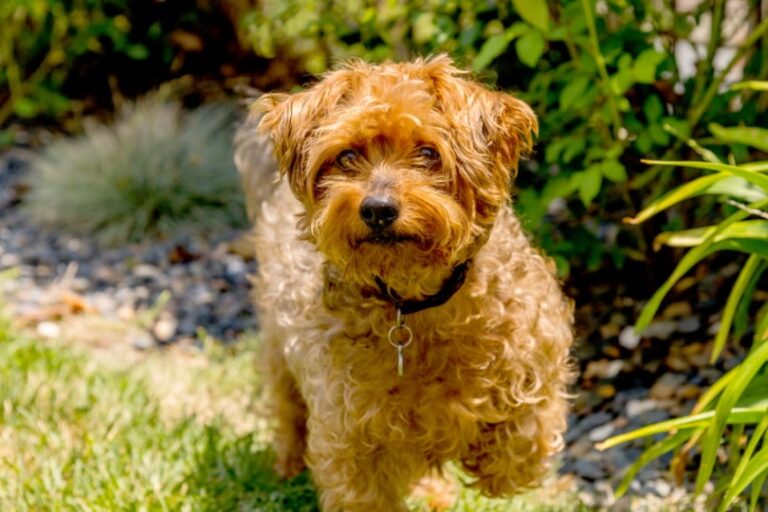
The Fascinating History and Unique Abilities of the English Shepherd Dog Breed

If you‘re a fan of herding breeds, you may have heard of the Border Collie, Australian Shepherd, and German Shepherd – but what about the English Shepherd? This lesser-known livestock herding dog has been a steadfast partner to farmers and ranchers for centuries, yet remains relatively rare today.
As a dog lover and veterinarian, I find the English Shepherd‘s journey from Roman cattle drover to early American homestead dog absolutely fascinating. Keep reading to discover the history behind the breed, and what makes these medium-sized, all-purpose farm dogs so special.
From the British Isles to the American Frontier
The story of the English Shepherd begins nearly 2000 years ago, when the Roman Army first invaded the British Isles in 55 B.C. According to breed historians, the Romans brought their own herding and livestock guardian dogs with them, likely ancestors of the modern Italian breeds Cane Corso and Neapolitan Mastiff.
Over generations, these imposing Roman dogs bred with the native Celtic collies and shepherds, resulting in a new type of compact, agile herding dog perfectly suited to working on rugged farms and pastures. As a landrace breed shaped more by job requirements than appearance standards, these dogs ranged in size and coat type but were prized for their intelligence, loyalty, and all-around usefulness.
In England, they became known by a variety of names including:
- English Shepherd
- Farm Collie
- Farm Shepherd
- Barnyard Collie
- Old-Fashioned Collie
- Farm Collie
When British colonists began emigrating to North America in the 1600s, they brought their trusted shepherd dogs with them. These tough, adaptable dogs quickly proved their worth on early American homesteads and frontier farms. In addition to herding sheep and cattle, English Shepherds guarded the barn, hunted vermin, and served as loyal family companions.
As western expansion continued in the 1800s, English Shepherds traveled with their owners along the Oregon Trail and to Midwestern farmlands. President Herbert Hoover even kept an English Shepherd named King Tut during his term in the White House!
English Shepherd Breed Characteristics and Stats
So what does today‘s English Shepherd look like? The breed standard describes a medium-sized, athletic dog standing 18 to 23 inches tall at the shoulder, with males typically larger than females. English Shepherds weigh between 40 and 60 pounds on average and have an estimated lifespan of 12 to 15 years.
Some key English Shepherd facts and figures:
| Trait | Male | Female |
|---|---|---|
| Height | 19 – 23" | 18 – 21" |
| Weight | 45 – 60 lbs | 40 – 50 lbs |
| Coat Type | Medium length, straight or wavy double coat | Same |
| Coat Colors | Black & white, sable & white, tricolor, black & tan, brindle | Same |
| Litter Size | 6 – 8 puppies | Same |
| Lifespan | 12 – 15 years | Same |
One of the English Shepherd‘s most distinctive features is their thick, weather-resistant double coat designed to protect them from the elements. The outer coat is medium length, either straight or slightly wavy, while the undercoat is dense and soft. English Shepherds shed seasonally and require regular brushing to keep their coat healthy.
The breed comes in several color varieties, most featuring a mix of black, white, and tan. According to the English Shepherd Club, the most common coat patterns are:
- Black and white
- Sable and white
- Tricolor (black, white, and tan)
- Black and tan
English Shepherds may also have white markings on the chest, face blaze, and underside, as well as tan points above the eyes, on the cheeks, and on the legs.
Temperament and Working Style
As a breed developed to work closely with humans, English Shepherds are known for their keen intelligence, trainability, and strong bonds with their owners. Mary Peaslee, an English Shepherd breeder and historian, describes them as "the ultimate farm dog."
"English Shepherds were bred to work all day alongside their owners, whether that meant herding 200 head of sheep, guarding the chicken coop from foxes, or dispatching barn rats," Peaslee explains. "They combine the Border Collie‘s intensity and work ethic with the loyalty and protective instincts of a guardian breed."
English Shepherd owners often describe their dogs as:
- Highly intelligent and intuitive
- Energetic and athletic with great stamina
- Determined and focused when working
- Reserved and watchful with strangers
- Devoted and affectionate with their families
- Sensitive and responsive to training
As herding dogs, English Shepherds have strong instincts to gather, drive, and control livestock. They tend to work more independently than Border Collies, relying on their own judgment rather than intensive direction from a handler. Fans of the breed prize their "loose-eyed" herding style and steady, methodical approach to moving stock.
These same instincts can translate into English Shepherds trying to herd children, other pets, and even vehicles if not given a proper outlet for their hardwired behaviors. Experienced English Shepherd owner Janet Larsen says providing both daily exercise and "meaningful work" is the key to living harmoniously with this active breed.
"My English Shepherds are tireless on our ranch, whether we‘re moving cattle or sheep to new pasture or rounding up an escapee," Larsen shares. "But even if you don‘t have livestock, you can channel their mental and physical energy into dog sports like agility, rally obedience, tracking, or herding trials."
Exercise, Training, and Enrichment Needs
As you might expect from their history as all-purpose farm dogs, English Shepherds require plenty of daily exercise and mental stimulation to thrive. For working English Shepherds on ranches or farms, this can mean long days spent herding, patrolling, and helping with chores.
Pet English Shepherds will need at least an hour of vigorous exercise each day, preferably more. A large, securely fenced yard is a must for allowing these high-energy dogs to run, play, and burn off steam. Puzzle feeders, training sessions, and nose work games provide crucial mental enrichment even on days when long walks or hikes aren‘t possible.
While English Shepherds are very trainable, they can also be independent thinkers. Positive reinforcement methods tend to work best with this sensitive breed – harsh corrections will likely just shut them down. Short, upbeat training sessions with plenty of rewards will keep English Shepherds engaged and eager to learn.
Well-socialized English Shepherds also enjoy participating in dog sports and performance events such as:
- Agility
- Rally obedience
- Flyball
- Nose work
- Tracking
- Herding trials
- Treibball
"The more you can do with your English Shepherd, the better," emphasizes breeder Mary Peaslee. "These dogs were never meant to be couch potatoes – they need to use their minds and bodies every day."
Health and Lifespan
Like many herding breeds, English Shepherds are generally healthy and long-lived, with an average lifespan of 12-15 years. However, responsible English Shepherd breeders still screen their breeding stock for certain inherited health conditions, including:
- Hip dysplasia
- Progressive retinal atrophy (PRA)
- Collie eye anomaly (CEA)
- MDR1 gene mutation
The MDR1 gene mutation can make English Shepherds sensitive to certain medications, including common heartworm preventatives. A simple DNA test can determine if a dog carries this mutation, allowing owners and vets to make informed treatment decisions.
Reputable breeders typically obtain hip evaluations on their adult dogs through the Orthopedic Foundation for Animals (OFA) or PennHIP screening methods. They may also have their dogs‘ eyes and heart examined and certified by veterinary specialists.
According to ongoing health surveys conducted by the English Shepherd Club, the breed remains fairly free of the neurologic and autoimmune disorders that affect some other collie relatives like epilepsy, degenerative myelopathy, and lupus. However, some English Shepherds can be prone to certain cancers in old age.
Finding an English Shepherd
If you think the lively, loyal English Shepherd might be the right breed for you, expect to do some research to find a puppy or rescue dog. English Shepherds remain quite rare in the United States and are not currently recognized by the American Kennel Club, though breed organizations have formed to preserve and promote their special qualities.
A small handful of dedicated English Shepherd breeders are working to produce sound, healthy, temperamentally correct dogs in alignment with the breed standard. The English Shepherd Club maintains a directory of member breeders who abide by a code of ethics.
"Expect to be thoroughly interviewed about your lifestyle and dog experience when you approach a breeder," advises Janet Larsen. "They want to make sure every puppy is going to an appropriate home that can meet the breed‘s needs."
Due to limited litters, you may need to join a waiting list well in advance to adopt an English Shepherd puppy. Prices typically range from $800 to $1500, depending on the breeder and the specific dog‘s lineage.
If you‘re open to adopting an adult English Shepherd, several breed rescue organizations operate across the country. These include:
- National English Shepherd Rescue (NESR)
- English Shepherd Rescue (ESR)
- English Shepherd Farm Dog Rescue
Rarely, English Shepherds may end up in local animal shelters or all-breed rescue groups, where their subtle coat patterns are often mistaken for a generic mixed breed. Reaching out to English Shepherd experts for help identifying and evaluating potential rescue dogs is recommended.
Is the English Shepherd Right for You?
The English Shepherd can be an incredibly rewarding breed for experienced, active dog owners, especially those with an outdoorsy lifestyle or an interest in dog sports. Their keen intelligence, strong work ethic, and intense loyalty make them a joy to train and a steadfast partner in any activity.
However, the English Shepherd is not the ideal choice for first-time dog owners, apartment dwellers, or families looking for a placid companion. These high-energy herders need ample space to run, a job to do, and plenty of interaction with their people to be fulfilled. A bored or underexercised English Shepherd can become anxious, vocal, and even destructive.
If you can provide your English Shepherd with the exercise, training, and purpose they crave, you‘ll be hard-pressed to find a more versatile, devoted dog. Whether herding sheep, learning new skills, or just hanging out with their favorite humans, English Shepherds give their all to any task at hand – just as they‘ve done for centuries.
Resources and Further Reading
Want to learn more about the extraordinary English Shepherd? Check out these resources for breed history, standards, health information, and more: