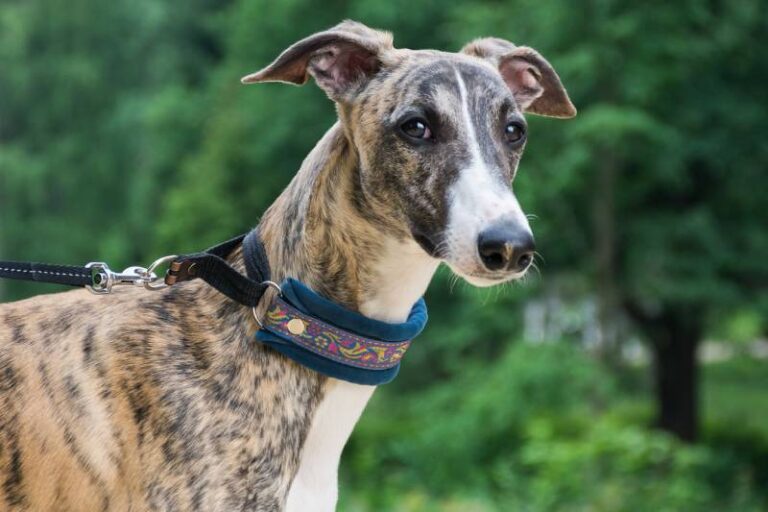
The Majestic Doberman Pinscher: A Complete Breed Guide

With their sleek coats, athletically muscular bodies, and loyal, watchful personalities, Doberman Pinschers have long captured the hearts and minds of canine enthusiasts. While they may have an intimidating reputation, properly trained and socialized Dobermans can be some of the most affectionate, devoted companions. If you‘re considering welcoming this regal breed into your life, read on to learn everything you need to know about the magnificent Doberman Pinscher.
Breed History and Origins
Doberman Pinschers originated in Germany during the late 19th century. The breed‘s namesake, Karl Friedrich Louis Dobermann, was a local tax collector who also ran the dog pound in the town of Apolda. Seeking a formidable dog to accompany and protect him on his collection rounds through dangerous areas, Dobermann set out to create the ideal guard dog.
While the exact crosses that went into the foundation of the breed are unknown, it‘s believed that Dobermann used a combination of Rottweilers, German Pinschers, Weimaraners, and other local guard dog types to achieve his vision. The result was a highly intelligent, loyal, and protective dog that quickly gained popularity throughout Germany.
Doberman Pinschers made their way to the United States in the early 20th century and were recognized by the American Kennel Club in 1908. They have consistently ranked in the top 20 most popular breeds according to AKC registrations. Throughout the decades, Dobermans have excelled as police and military K-9s, search-and-rescue dogs, therapy animals, and devoted family guardians and companions.
Physical Characteristics
Doberman Pinschers are medium-large dogs with proud, athletic statures. Males typically stand 26 to 28 inches at the shoulder and weigh 75 to 100 pounds, while females are slightly smaller at 24 to 26 inches in height and 60 to 90 pounds.
Dobermans have short, sleek, and shiny coats that lie close to the body. Coat colors include black, red, blue, and fawn, often with rust-colored markings on the muzzle, above the eyes, on the throat and chest, on the legs, and below the tail. Their heads are long and wedge-shaped, with dark, almond-shaped eyes that convey an alert, intelligent expression. The ears are often cropped to stand erect, although many owners are now leaving the ears natural, resulting in a softer look.
One of the Doberman‘s most notable physical features is their strongly muscled, athletic body. They have deep chests, tucked-up waists, and powerful legs – an image of speed, strength, and elegance. Their overall appearance is one of nobility and confidence.
Temperament and Intelligence
Doberman Pinschers are renowned for their intelligence, loyalty, and protective instincts. They are considered the 5th smartest dog breed in terms of obedience and working intelligence, according to canine psychologist Stanley Coren. This keen mind, combined with their strong desire to please their humans, makes Dobermans highly trainable and well-suited for various working roles.
Despite their reputation as aggressive guard dogs, Dobermans are not innately vicious. With proper training and socialization from a young age, they can be calm, gentle, and affectionate family companions. They are patient and tolerant with children when raised with them, although their high energy level and powerful physique may be too much for very young kids.
As a naturally protective breed, Dobermans can be aloof or suspicious towards strangers. It‘s important to socialize them extensively to a wide variety of people, dogs, and situations to ensure they react appropriately. With their families, however, Dobermans are known for forging incredibly deep, devoted bonds. They crave attention and affection from their humans and want to be involved in all family activities.
Exercise and Activity Level
As athletic working dogs, Doberman Pinschers have high exercise needs. They require both physical and mental stimulation to stay happy and well-behaved. Expect to provide at least an hour of exercise daily, preferably spread across two or more sessions.
In addition to long walks, runs, or hikes, Dobermans enjoy playing fetch, swimming, and participating in canine sports like agility, tracking, and obedience. They also need plenty of interactive playtime and training sessions with their owners to satisfy their intelligent minds. A bored or under-exercised Doberman may resort to destructive behaviors like excessive barking, chewing, or digging.
While they are energetic and active outdoors, Dobermans can be relatively calm and low-key inside the home as long as their exercise needs are met. They are adaptable to various living situations, including apartments, as long as they receive sufficient physical and mental outlets.
Training and Socialization
Early and ongoing training and socialization are crucial for Doberman Pinschers. As intelligent, sensitive dogs, they respond best to positive reinforcement methods like praise, play, and high-value treats. Harsh corrections or punishment can damage the trust and bond between a Doberman and their owner.
Start socializing your Doberman puppy to a wide range of people, animals, and environments as early as possible. Enroll in a puppy class to learn basic obedience and get your pup used to being around other dogs. As they mature, continue exposing your Doberman to new experiences to build their confidence and social skills.
Consistent training is essential to channel the Doberman‘s intelligence, energy, and protective instincts into appropriate behaviors. Teach them commands to manage their alertness to potential threats, such as "quiet" to stop barking on cue. Dobermans excel in advanced obedience, trick training, and canine sports – pursuits that satisfy both their minds and athletic abilities.
With their intelligence and desire to work closely with their humans, Dobermans can be trained for a variety of roles, including police and military work, search-and-rescue, therapy visits, service dog tasks, and competitive dog sports. The key is providing them with ample mental stimulation and a clear sense of purpose through ongoing training throughout their lives.
Health Concerns
Like many purebred dogs, Doberman Pinschers can be prone to certain hereditary health issues. Responsible breeders screen their breeding stock for these conditions to minimize the risk of passing them on to puppies. Some potential health concerns in the breed include:
-
Dilated cardiomyopathy (DCM): A heart condition where the heart muscles thin and weaken, affecting the heart‘s ability to pump blood effectively. DCM is a leading cause of death in Dobermans.
-
Hip dysplasia: Abnormal development of the hip joint, which can lead to arthritis and lameness. Have your puppy‘s hips evaluated by your vet to manage the condition if present.
-
Von Willebrand‘s disease (VWD): A blood clotting disorder that can cause excessive bleeding from minor injuries. A DNA test is available to screen for VWD.
-
Hypothyroidism: An endocrine disorder where the thyroid gland doesn‘t produce enough hormones. Symptoms include weight gain, hair loss, and lethargy. Hypothyroidism is manageable with medication.
-
Gastric dilatation-volvulus (GDV or bloat): A life-threatening condition where the stomach fills with air and twists on itself. Avoid feeding large meals and limit exercise immediately before or after meals.
To promote a long, healthy life for your Doberman, feed them a high-quality diet, keep them at a lean weight, provide ample exercise, and schedule regular check-ups with your veterinarian. With proper care, Dobermans can live 10-12 years on average.
Grooming and Care
Doberman Pinschers have short, sleek coats that are relatively low-maintenance in terms of grooming. Brush them weekly with a soft bristle brush or grooming mitt to remove loose fur and maintain a shiny coat. They typically shed moderately year-round, with heavier shedding seasonally.
Bathe your Doberman every 1-2 months, or as needed if they get dirty. Trim their nails every 3-4 weeks if they don‘t wear them down naturally through activity. Brush their teeth several times a week to promote healthy gums and fresh breath. Check and clean their ears weekly to prevent wax buildup and infection.
Beyond basic coat care, your Doberman will need a healthy diet, fresh water, regular veterinary check-ups, and a warm, comfortable place to sleep. Given their strong attachment to their humans, Dobermans do best when allowed to live indoors as part of the family rather than isolated in an outdoor kennel.
Dobermans as Family Pets
For the right household, Doberman Pinschers can make wonderful family companions. They are deeply devoted to their humans and want to be involved in all aspects of family life. They typically bond closest with one person but can form strong ties to everyone in the household.
As naturally protective dogs, Dobermans can be excellent watchdogs and guardians. They have a commanding presence that can deter would-be intruders, and they will fearlessly defend their loved ones if needed. However, it‘s vital that this protective instinct is channeled through training and socialization to prevent any aggressive overreactions.
With their high intelligence and trainability, Dobermans can excel in a variety of activities with their families, from hiking and camping adventures to learning new tricks and sports. They are sensitive and attuned to their humans‘ emotions, providing comfort and support during difficult times.
While they can be patient and gentle with kids, Dobermans may inadvertently knock over very small children during play. Homes with infants or toddlers may want to wait until the kids are older before adding a Doberman to the family. As with any breed, always supervise interactions between dogs and children, and teach kids how to respectfully interact with dogs.
If you can meet a Doberman‘s significant exercise and companionship needs, you‘ll be rewarded with a smart, loyal, and loving addition to your family. They will delight you with their goofy antics, impress you with their intelligence, and melt your heart with their devotion.
Fun Facts About Dobermans
-
A Doberman named Kurt is credited with being the first canine casualty in the 1944 Battle of Guam during World War II. Kurt went ahead of the troops and warned them of the approaching Japanese forces. He was badly injured but survived the battle.
-
The AKC breed standard for Doberman Pinschers includes a unique disqualification: "Shyness, or dogs that appear to be afraid, shall be seriously faulted." Dobermans are meant to be confident, self-assured dogs.
-
A Doberman named Storm woke up her owners in the middle of the night to alert them that their baby daughter had stopped breathing. Thanks to Storm‘s keen senses and quick action, the parents were able to get emergency medical help and saved their child‘s life.
-
Contrary to popular belief, the Doberman was not named after a city in Germany. They are named after their creator, Karl Friedrich Louis Dobermann, who combined various breeds to develop the "perfect" guard dog.
-
The mascot for the United States Marine Corps is a Doberman named "Chesty" after the most decorated Marine in history, Lt Gen Lewis B "Chesty" Puller. The current mascot, Chesty XV, was recently promoted to Lance Corporal.
Whether serving in vital working roles or simply being cherished family members, Doberman Pinschers capture the hearts of all who have the privilege of knowing them. If you‘re seeking a highly intelligent, trainable, and devoted canine companion to join you on all of life‘s adventures, the noble Doberman Pinscher may be your ideal match.