
The Poogle (Poodle-Beagle Mix): A Comprehensive Guide

Are you considering adding a Poogle to your family? This adorable cross between a Poodle and a Beagle has been winning the hearts of dog lovers everywhere. With their cute looks, friendly personalities, and manageable size, it‘s no wonder these designer dogs have soared in popularity in recent years.
But before you fall head over heels for a Poogle pup, it‘s essential to learn everything you can about this unique mixed breed. What are Poogles really like to live with? What special care do they require? And how can you find a healthy, well-bred Poogle to call your own?
In this ultimate guide, we‘ll cover all the crucial info you need to know about Poogle dogs. From their history and physical characteristics to their temperaments and training needs, we‘ll help you decide if a Poogle is truly the right canine companion for you. Let‘s dive in!
The Origins of the Poogle
To understand the Poogle, it helps to know a bit about their parent breeds: the intelligent, elegant Poodle and the happy-go-lucky, nose-driven Beagle.
Poodles actually originated as duck hunting dogs in Germany, where their job was to retrieve waterfowl for hunters. Their famous "Poodle clip" haircut is designed to help them move efficiently through water while still protecting vital areas from the cold. The breed later became popular among French nobles, earning a reputation as a fashionable, highly trainable companion dog. Today, Poodles come in three size varieties (Standard, Miniature, and Toy) and excel in many canine sports and jobs.
Beagles, meanwhile, were developed in England to be rabbit hunting hounds. Their keen noses, loud baying bark, and tireless work ethic made them the ideal small pack hunting dog. Beagles also became beloved pets known for their cheer and friendliness. The modern Beagle comes in two sizes: 13 inches and under, and 13-15 inches at the shoulder.
As a mix of these two storied breeds, the Poogle dog can inherit any combination of Poodle and Beagle traits. While some may take after their Poodle parent in appearance and temperament, others may favor their Beagle side, and many fall somewhere in between.
The Poogle‘s exact origins are a bit murky, as mixed breeds are not always well documented. However, these dogs likely first emerged within the last 30 years as part of the growing popularity of "designer dogs" among breeders and pet owners seeking the best traits of two different purebreds. While not an official recognized breed, the Poogle has gained a devoted following thanks to their pleasing mix of looks, smarts, and affectionate nature.
Poogle Physical Characteristics
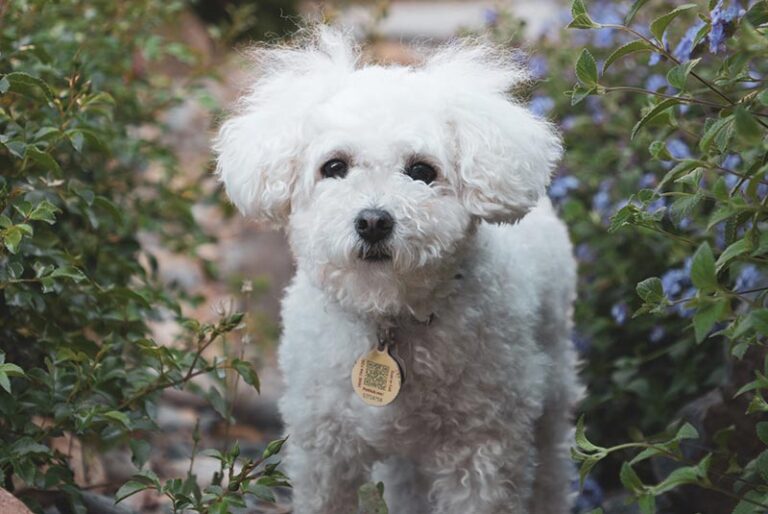
Since the Poogle is a mixed breed, their appearance can vary quite a bit depending on their unique genetic makeup. In general though, most Poogles are small-to-medium sized dogs with somewhat square, muscular bodies and round heads with floppy ears.
Here are some common physical traits seen in Poogles:
Size: Toy Poogle adults usually weigh 5-15 pounds and stand 6-12 inches tall. Miniature Poogles are 11-25 pounds and 12-16 inches tall. Poogles from Standard Poodle parents may be even larger.
Coat: A Poogle‘s coat type depends on which parent they favor. It may be more Poodle-like – long, dense, and curly or wavy. Or it may be shorter and smoother like a Beagle‘s. Shedding also varies but is usually moderate.
Color: Poogles come in a variety of colors including black, white, brown, red, fawn, cream, silver, apricot, black and tan, and tri-color. Often, Poogles have some of the Beagle‘s classic tricolor coloring.
Head: Round and moderately sized, possibly with a stop between muzzle and forehead. Ears are typically long, low-set, and hang down close to the head like a Beagle‘s.
Muzzle: Usually of medium length – shorter than a Poodle‘s long muzzle but not as squared-off as a purebred Beagle‘s.
Tail: Often left long but may be docked if from a Toy or Miniature Poodle parent. Usually held upright with a slight curve.
Lifespan: 12-15 years
Of course, these are all just generalizations – every Poogle is one-of-a-kind! The fun of this designer breed is seeing what unique mix of traits each individual puppy will inherit.
Poogle Temperament and Personality
In general, the Poogle is known for being a smart, friendly, and affectionate dog who loves being the center of attention. They tend to bond closely with their owners and thrive on human companionship.
As with any mixed breed, a Poogle‘s temperament will depend on the traits they inherit from each parent breed:
From the Poodle side, Poogles often get a sharp intelligence, sensitivity, and proud nature. Poodles are very trainable and tuned-in to their owners, but can have a stubborn streak. They tend to be active, playful dogs.
Beagles are known for their happy-go-lucky, easygoing personalities. They tend to be friendly with everyone, very food motivated, and not particularly territorial. The Beagle‘s strong hunting instincts give them a single-minded determination and loud baying bark.
Put these traits together, and you get a quite lovable but sometimes challenging mix in the Poogle. Potential Poogle owners should be prepared for a dog with lots of smarts and energy, a sensitive nature that craves attention and affection, and a mischievous streak if left to their own devices.
They are generally good with children, other dogs, and even cats if raised with them (though some may inherit the Beagle‘s prey drive). Poogles can adapt well to apartment life if given enough exercise and mental stimulation. They tend to be quite social and dislike being left alone.
Some Poogles inherit the Beagle‘s strong nose and can be easily distracted by interesting scents. They may also bay or howl rather than typical barking.
Like both parent breeds, Poogles have a decent amount of energy and stamina. Expect to give them at least 30-60 minutes of exercise per day, plus plenty of playtime and brain games. A bored Poogle is prone to destructive chewing, digging, or barking. But with proper stimulation and companionship, they make delightful pets for active owners.
Grooming and Care
How much grooming your Poogle needs will depend a lot on what type of coat they inherit. Longer, Poodle-like coats will require much more brushing (at least 2-3 times per week) to prevent mats and tangles. Clipping every 4-8 weeks is also recommended for curly or wavy coats.
Poogles with a shorter, Beagle-type coat still need regular brushing, but more like once a week. They will shed moderately year-round and usually don‘t need professional haircuts.
In addition, you‘ll need to keep up with other basic grooming tasks like:
- Cleaning ears weekly to prevent infections, especially if your Poogle has a Beagle‘s long, floppy ears
- Trimming nails every 1-2 months
- Brushing teeth daily
- Checking eyes and paw pads for irritation or injury
Your Poogle will also need a high quality diet, regular vet check ups, and core vaccinations. It‘s a good idea to get your Poogle puppy used to being handled early on, so grooming is a positive experience.
With proper nutrition, preventive care, and lots of love, Poogles generally make healthy, long-lived companions. However, they can be prone to some of the same genetic health issues as their parent breeds, including hip dysplasia, eye problems, and skin allergies. Adopting from a reputable breeder who health tests their dogs can help reduce these risks.
Training Your Poogle
Poogles are intelligent, sensitive dogs who respond best to positive reinforcement training methods. Harsh corrections will only make them shut down. Instead, use lots of tasty treats, praise, and play to reward your Poogle for good behavior.
Basic obedience training is a must to teach your Poogle good manners and help them be a polite member of society. Start training early and be consistent with your expectations. Poogles can excel at advanced training and dog sports too, thanks to their smarts and work ethic.
Socialization is also crucial for Poogles, as they can be shy or nervous around new people and situations. Expose your Poogle puppy to lots of different sights, sounds, people, and animals in a positive way. Puppy classes are a great way to boost their confidence.
One common training challenge with Poogles is their love of scent tracking. Some may have a hard time focusing with lots of interesting smells around. Use extra yummy treats and keep training sessions short and fun. Having a solid recall (come when called cue) is important for those times your Poogle wants to follow their nose.
With patient training and plenty of outlets for their active minds, Poogles can absolutely learn to be well mannered companions. The key is channeling their energy and intelligence in positive ways.
Finding Your Perfect Poogle
If you‘ve decided a Poogle sounds like the ideal dog for you, your next step is finding a responsible breeder or rescue to adopt from. Avoid getting a Poogle from a pet store or online seller, as they often source their puppies from puppy mills.
A good Poogle breeder should health test their dogs for issues common to Poodles and Beagles, provide proof of vet care, and allow you to meet the puppy‘s parents in person. They should also be willing to answer all your questions about the breed and the puppy‘s background.
Poogle puppies typically cost $500-$1500 from a breeder, depending on location and the parent dogs‘ pedigrees. For that price, you should get a puppy who‘s been well socialized and comes with a health guarantee.
You may also be able to find an adult Poogle through a Poodle or Beagle rescue group, or through online sites like Petfinder. Adopting an older dog allows you to skip some of the training challenges and get a better sense of the dog‘s mature size and personality.
Conclusion
The Poogle is a charming, affectionate, and slightly mischievous companion who can add a lot of joy to the right home. Their highly trainable yet sensitive nature, portability, and social personality make them a good fit for active singles, families, and even some seniors.
Of course, no breed is right for everyone. Poogles do shed, need plenty of exercise and interaction, and can be vocal. Their intelligence means they need a lot of mental stimulation too, or else they may create their own fun by shredding your couch cushions. Poogles thrive in homes where they can get a lot of attention and be involved in their humans‘ daily lives.
If you can provide a Poogle with the exercise, training, and love they need, you‘ll be rewarded with a smart, devoted dog who‘s up for any adventure. Just be sure to do your research, find a responsible breeder, and prepare your home and life for the energetic ball of fun that is the Poodle-Beagle mix. With the right fit, the Poogle might just become your new dream dog!



:%20A%20Comprehensive%20Guide)