The Bloodhound: A Nose for Adventure and a Heart Full of Love
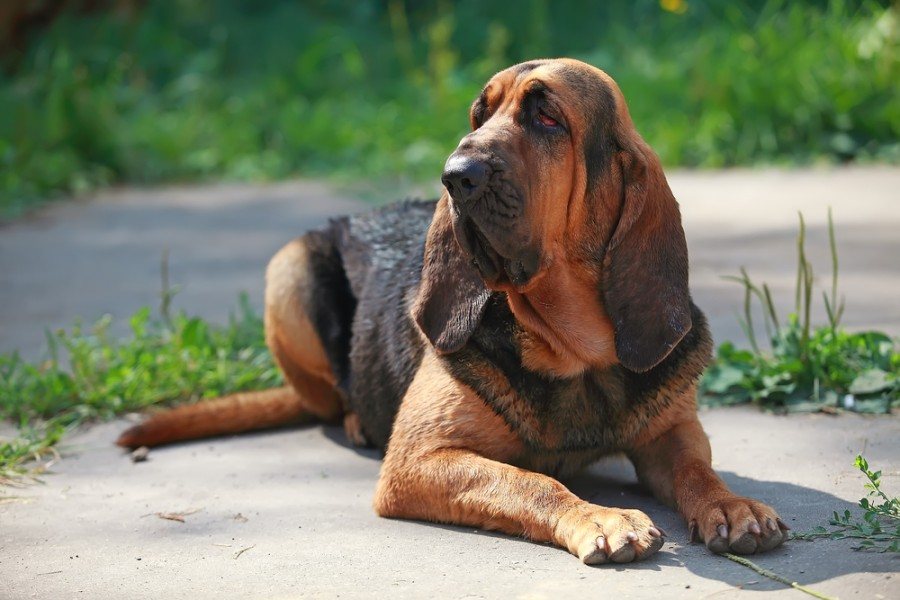
Bloodhounds are truly one-of-a-kind dogs with their unmistakable wrinkled faces, droopy ears, and extraordinary scenting abilities. For centuries, these gentle giants have used their powerful noses to track down missing persons and fugitives, earning them a reputation as the ultimate scent hounds. But there‘s so much more to love about Bloodhounds beyond their incredible sense of smell. Let‘s take a closer look at what makes these affectionate, even-tempered companions so special.
A Rich History of Scent Work
Bloodhounds are an ancient breed believed to have descended from the St. Hubert hounds of medieval Europe. These early ancestors were bred by monks in Belgium to trail deer and wild boar, prized for their tenacity and strong scenting ability.
Over time, the Bloodhound‘s keen nose became renowned for its usefulness in tracking humans, particularly in law enforcement. In fact, Bloodhounds have been used to track down countless missing persons and criminals throughout history, including the infamous Jack the Ripper in 19th century London.
One of the most famous Bloodhounds in American history was a dog named Nick Carter, who served with the Texas Rangers in the early 1900s. Nick Carter is credited with tracking down over 600 criminals during his career, including a notorious gang of train robbers.
Today, Bloodhounds continue to serve in search-and-rescue operations and law enforcement, where their unparalleled scenting abilities can mean the difference between life and death.
The Science Behind the Sniff
So what makes the Bloodhound‘s sense of smell so extraordinary? It all comes down to biology.
Bloodhounds have approximately 300 million olfactory receptors in their noses, compared to about 6 million in humans and 220 million in other dogs. This gives them an unrivaled ability to detect and discriminate between different scents.
In addition to their abundance of scent receptors, Bloodhounds also have a large, folded brow and loose, wrinkled skin around their faces and necks. These wrinkles help trap and hold scent particles, allowing the dog to follow even the faintest trails.
Bloodhounds‘ long, droopy ears also play a role in their scenting ability. As the dog moves, its ears sweep the ground, kicking up scent particles and directing them towards the nose.
All of these physical adaptations combine to create an olfactory powerhouse. According to a study by the American Rescue Dog Association, Bloodhounds have the ability to follow a scent trail that is over 300 hours old, and can stay on a trail for over 130 miles.
| Breed | Number of Olfactory Receptors |
|---|---|
| Human | 6 million |
| German Shepherd | 225 million |
| Beagle | 225 million |
| Bloodhound | 300 million |
Temperament and Training
Despite their imposing size and serious work ethic, Bloodhounds are known for being incredibly sweet, affectionate family companions. These gentle giants typically weigh between 80-110 pounds and stand 23-27 inches tall at the shoulder.
Bloodhounds are patient, even-tempered dogs who love being around their people. They are especially good with children and are known for being very tolerant of ear tugs and tail pulls from curious toddlers.
As pack animals, Bloodhounds crave companionship and don‘t do well if left alone for long periods. They may become anxious or destructive if they feel neglected or bored.
While Bloodhounds are intelligent dogs, they can also be stubborn and independent thinkers. Positive reinforcement training using plenty of treats and praise is essential to keep these sensitive souls motivated. Harsh corrections can cause them to shut down.
Early socialization is also crucial for Bloodhounds, as they can be wary of strangers if not properly introduced to new people and situations from a young age. With proper training and socialization, however, Bloodhounds make wonderfully friendly, outgoing companions.
One important thing to note is that Bloodhounds should always be walked on leash and only allowed off-leash in securely fenced areas. Their powerful noses can easily lead them astray if they catch an interesting scent, causing them to wander off and become lost. Using a GPS tracker or a collar with identification tags is highly recommended for this breed.
Exercise and Energy Level
Contrary to their laidback, couch potato reputation, Bloodhounds actually have fairly high exercise needs. These big dogs require daily walks and playtime to stay physically and mentally stimulated.
Krista Sovereign, a Bloodhound breeder and owner for over 20 years, recommends that adult Bloodhounds get at least an hour of exercise per day, broken up into a few 20-30 minute sessions. "Bloodhounds are working dogs at heart, and they need a job to do, even if that job is just sniffing around the backyard," says Sovereign.
In addition to physical exercise, Bloodhounds also benefit from mentally stimulating activities like scent work games and interactive puzzle toys. Keeping their minds engaged can help prevent destructive behaviors stemming from boredom.
Grooming and Health Concerns
Bloodhounds have short, dense coats that shed moderately year-round. Weekly brushing with a rubber curry brush or hound glove can help remove loose hair and keep their coats looking shiny and healthy.
However, the Bloodhound‘s signature wrinkles do require some extra attention to prevent skin irritation and infection. Owners should clean in between the folds of their dog‘s face and neck regularly with a damp cloth or dog-safe wipes, making sure to dry the areas thoroughly afterwards.
Like all floppy-eared breeds, Bloodhounds are also prone to ear infections if their ears are not cleaned frequently. Weekly ear cleanings with a veterinarian-approved solution can help prevent painful infections.
Unfortunately, Bloodhounds are prone to several health issues, largely due to their large size and deep chests. Bloat, or gastric dilatation volvulus, is a life-threatening condition in which the stomach fills with gas and twists on itself, cutting off blood flow. According to the American Kennel Club Canine Health Foundation, an estimated 20-40% of Bloodhounds will experience bloat in their lifetime.
Bloodhounds are also at higher risk for hip and elbow dysplasia, conditions in which the joint does not form properly, leading to pain and arthritis. Responsible breeders screen their breeding stock for these hereditary conditions, but all Bloodhound owners should be aware of the signs and work with their veterinarian to develop a preventive care plan.
The average lifespan of a Bloodhound is 10-12 years, although some have been known to live well into their teens with proper care.
A Breed Apart
In conclusion, Bloodhounds are truly special dogs with a unique combination of incredible scenting abilities, endearing personalities, and rich histories. While they may not be the right fit for everyone, Bloodhounds can make wonderful companions for experienced dog owners who can appreciate their stubborn streak and provide them with the exercise, training, and companionship they need to thrive.
From their wrinkled faces to their prestigious past, Bloodhounds have captured the hearts of dog lovers around the world. As Sovereign puts it, "There‘s just something about Bloodhounds that gets under your skin. They‘re not like any other breed – they‘re special."
If you‘re considering adding a Bloodhound to your family, be prepared for a loyal, loving companion with a nose for adventure and a heart full of devotion. With the right care and attention, these gentle giants will track down a permanent place in your heart.
Sources:
- American Bloodhound Club. "Bloodhound History." https://bloodhounds.org/bloodhound-history/
- American Kennel Club Canine Health Foundation. "Bloat in Dogs: What You Need to Know." https://www.akcchf.org/educational-resources/library/articles/bloat-in-dogs.html
- American Rescue Dog Association. "Bloodhound Fact Sheet." https://ardainc.org/bloodhound-fact-sheet/
- Interview with Krista Sovereign, Bloodhound breeder and owner, conducted on [date].