
Japanese Akita Inu vs American Akita: The Differences (With Pictures)
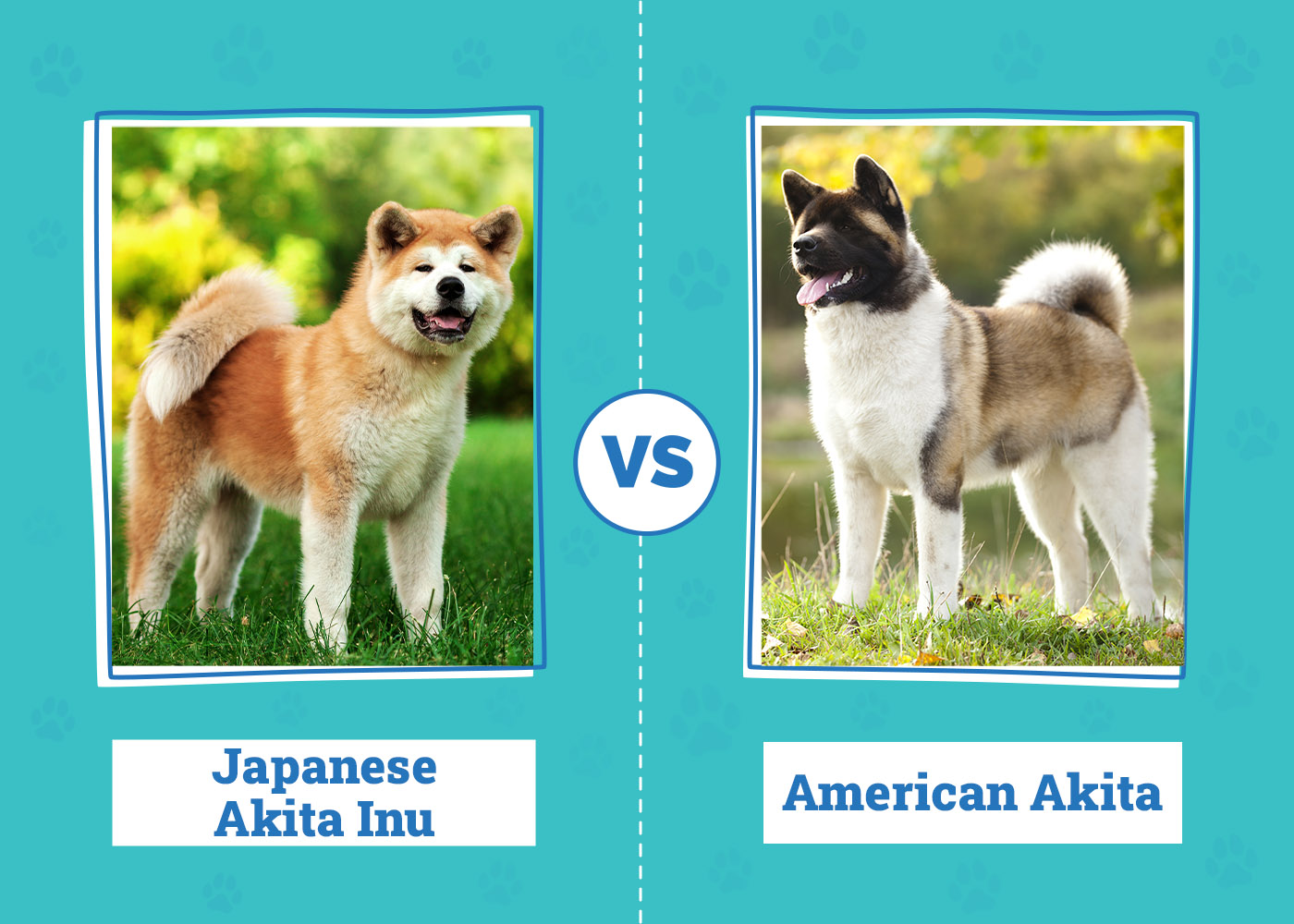
Japanese Akita Inu vs American Akita: A Comprehensive Comparison
Are you fascinated by the majestic, powerful Akita dog breed but unsure about the differences between the Japanese Akita Inu and American Akita varieties? As a lifelong dog lover and veterinarian, I‘m here to walk you through the key traits that distinguish these two closely related yet distinct breeds. By the end of this guide, you‘ll have a clear understanding of the unique characteristics of Japanese Akita Inus and American Akitas so you can determine which might be the ideal companion for your lifestyle and family. Let‘s dive in!
Breed History and Origins
The Akita‘s story begins in the rugged, mountainous Akita prefecture of northern Japan. For centuries, these muscular dogs served as hunters, guardians, and even participants in dog fighting. The Japanese carefully bred Akitas to develop the traits needed for these demanding roles – a large, powerful build, courage, and unwavering loyalty. These dogs became revered symbols in Japanese culture, honored for their faithfulness.
In the early 20th century, Akitas faced extinction due to crossbreeding with western dogs, military needs during WWII, and a post-war preference for foreign breeds. However, determined Japanese breeders used the remaining Matagi Akitas (traditional hunting dogs) to rebuild the purebred Akita Inu that we know today as Japan‘s national dog.
Helen Keller is credited with bringing the first Akita to the United States in 1937, but it wasn‘t until after World War II that American servicemen fell in love with the breed and began bringing them home. As Akitas gained popularity in America, breeders began selecting for larger sizes and heavier bone structures to suit American preferences and guard dog duties. This was the beginning of the gradual divergence between the Japanese Akita Inu and American Akita.
Size, Build, and Appearance
One of the most obvious differences between Japanese Akita Inus and American Akitas is their size. Japanese Akita Inus are slightly smaller, typically standing 24-26 inches tall at the shoulder for males and 22-24 inches for females. They usually weigh between 65-85 pounds with females at the lower end of the range.
American Akitas, on the other hand, are larger and heavier boned. Males stand 26-28 inches at the shoulder and can weigh up to 130 pounds. Females are 24-26 inches tall and weigh 70-100 pounds on average. So while there is some overlap, American Akitas are generally bigger, bulkier dogs.
When it comes to overall build and proportions, Japanese Akita Inus are a little more refined, agile, and fox-like compared to the American Akita‘s substantial, bear-like appearance. The Japanese breed has a slightly narrower head, more tapered muzzle, and smaller, almond-shaped eyes compared to the broad, massive head and short, blunt muzzle of the American Akita.
Coat Colors and Markings
Both Akita types have thick, luxurious double coats that equip them for cold climates, but their color options vary. Japanese Akita Inus are more limited, only coming in shades of red, white, or brindle. Any colors or markings other than white must be symmetrically distributed, and an all-white coat is highly prized in Japan.
American Akitas have more color flexibility, as they are accepted in any color including black, white, chocolate, or silver as well as in pinto, brindle, or fawn coats. Regardless of base color, the American Akita often has a distinctive black mask whereas the Japanese Akita Inu‘s mask is the same color as its body.
Temperament and Personality
In terms of core personality, Japanese Akita Inus and American Akitas share more similarities than differences. Both are intelligent, independent thinkers with a somewhat stubborn streak. They are naturally wary of strangers and have strong protective instincts, making them excellent watchdogs. While not typically aggressive, both types tend to be dominant and don‘t back down from a perceived threat.
Japanese Akita Inus are known for being slightly more docile, gentle, and responsive to training compared to American Akitas. They are incredibly faithful to their families and form deep bonds, but they are not emotionally needy dogs. Japanese Akita Inus have a calm, dignified presence and tend to be more aloof with strangers.
American Akitas also adore their human companions but can be a bit more forward and outgoing than their Japanese cousins. They relish physical affection and may demand more interaction from their owners. That said, their higher energy levels and stronger guarding tendencies require an experienced, confident handler to manage.
Both breeds have a high prey drive and are not naturally friendly to other dogs, especially those of the same sex. Akitas prefer being the only dog in the household and must be carefully socialized to accept other canines. Feline companions are usually off the table given an Akita‘s instinct to chase.
As for other family members, Japanese Akita Inus are often more tolerant of children while American Akitas may play too roughly. However, no young child should ever be left unsupervised with an Akita of any type due to their large size and hunter‘s reflexes. With proper socialization from puppyhood, many Akitas can learn to coexist peacefully with respectful children.
Exercise and Activity Level
Japanese Akita Inus and American Akitas both need daily exercise to stay physically and mentally healthy, but the American Akita generally has higher energy and endurance. Expect to provide a minimum of 30-60 minutes of brisk walking, jogging, or vigorous play each day in a securely fenced yard or on leash.
As a larger, more muscular dog originally developed for fighting and guarding in the U.S., the American Akita requires more extensive exercise to manage their drive and prevent destructive behavior. Aim for closer to 60-90 minutes of physically and mentally stimulating activities per day.
The Japanese Akita Inu is a bit lower-energy and may be content with 30-45 minutes of moderate exercise daily, though individual activity levels can vary. Puzzle toys and frozen Kongs can provide additional entertainment and enrichment for both types.
Remember, a tired Akita is a well-behaved Akita! Insufficient exercise is a recipe for restlessness, disobedience, barking, and destructive chewing in this headstrong breed. A commitment to maintaining an active lifestyle is a must for any prospective Akita owner.
Training and Stubbornness
Akitas of both types are highly intelligent but have an independent nature that can make training a challenge. They bore easily with repetition and aren‘t inclined to obey just to please you. Motivating an Akita requires making the training process rewarding and worthwhile to them.
Start socialization and training from day one with your Akita puppy and remain patient and consistent as they mature. Positive reinforcement methods using high-value treats, favorite toys, and enthusiastic praise tend to yield the best results. Punishment or harsh corrections will only damage your relationship and potentially provoke defensiveness in this proud breed.
Japanese Akita Inus are known to be slightly more biddable and responsive to training than American Akitas, but both require a confident, experienced owner. First-time dog owners or those uncomfortable with large, strong-willed breeds may find an Akita too much to handle.
If you‘re unsure about training an Akita yourself, don‘t hesitate to enlist the help of a professional, rewards-based trainer. Building a strong foundation of basic obedience and socialization is crucial for ensuring your Akita grows into a well-adjusted canine citizen.
Grooming and Shedding
As double-coated breeds, Japanese Akita Inus and American Akitas both shed heavily year-round and "blow" their undercoats twice a year, leaving tumbleweeds of fluff trailing through your home. Daily brushing is recommended to remove loose hair and keep their thick coats healthy and mat-free.
Akitas tend to be clean dogs that require only occasional baths unless they‘ve rolled in something stinky. Their self-grooming habits are more cat-like than what you would expect from such a large breed! Regular nail trims, ear cleanings, and dental care should be part of any Akita‘s wellness routine.
Health and Life Expectancy
As large breeds, Japanese Akita Inus and American Akitas are predisposed to certain health conditions like hip dysplasia, hypothyroidism, progressive retinal atrophy, and certain cancers. Responsible breeders perform health screenings to minimize these hereditary risks in their lines.
Japanese Akita Inus have an average lifespan around 10-12 years while American Akitas often live a bit longer at 10-14 years. Of course, many individual factors like nutrition, healthcare, and environment affect longevity.
Given the potential for expensive health issues down the road, I advise investing in pet insurance for your Akita from a young age. Some policies even reimburse a portion of preventative care costs, which can add up for a giant breed dog.
Choosing Between a Japanese Akita Inu and American Akita
Now that you know the key differences between Japanese Akita Inus and American Akitas, how do you decide which is the right fit for you? If you‘re seeking a slightly smaller, more agile Akita that‘s a little less independently minded, the Japanese Akita Inu may be your ideal match. If you prefer a larger, more imposing Akita with a higher exercise drive, the American Akita could be your canine soulmate.
Honestly, the similarities between the two breeds outnumber the differences. Both are loyal, courageous companions that require an experienced, active owner willing to put in the time and effort to train, socialize, and exercise them properly. Akitas of any type are not for the faint of heart, but their unparalleled devotion and nobility make them treasured family guardians.
Whether you choose a Japanese Akita Inu or American Akita, be prepared for dog hair tumbleweeds, a shadow following you from room to room, and a powerfully built cuddle buddy who takes their watchdog duties very seriously. As long as you respect their instincts and meet their needs, you‘ll have a majestic best friend for life.



)