The Remarkable Journey of Miniature Schnauzers: From Ratters to Cherished Companions
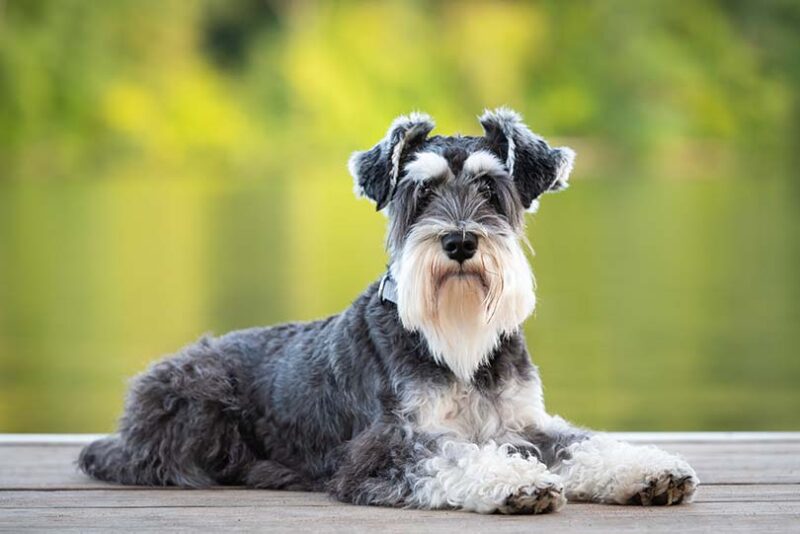
Miniature Schnauzers, with their signature bearded muzzles, wiry coats, and spunky personalities, have captured the hearts of dog lovers worldwide. But have you ever wondered about the fascinating history behind these charming little dogs? In this comprehensive guide, we‘ll explore the origins of Miniature Schnauzers, delving into their original purpose, the breeds that contributed to their development, and their incredible journey from hardworking farm dogs to beloved family companions.
The Birth of a Breed: Developing the Perfect Farm Dog
In the late 19th century, German farmers sought to create the ultimate farm dog—one that could excel at hunting vermin, guarding property, and serving as a loyal companion. To achieve this goal, they began selectively breeding Standard Schnauzers with smaller breeds such as Miniature Pinschers, Poodles, and Affenpinschers.
The specific breeds used in the development of Miniature Schnauzers contributed to the unique traits that define the breed today. Miniature Pinschers, known for their fearless and energetic nature, added a bold and lively spirit to the mix. Poodles, renowned for their intelligence and trainability, contributed to the breed‘s sharp mind and adaptability. Affenpinschers, with their bearded muzzles and wiry coats, helped to refine the Miniature Schnauzer‘s distinctive appearance.
As the breed evolved, notable breeders and kennels played a crucial role in shaping the Miniature Schnauzer we know and love today. One such breeder was Josef Berta, who established the first Miniature Schnauzer kennel, "Zwergstern," in 1880. Berta‘s dedication to the breed helped to establish the foundation for the Miniature Schnauzer‘s development and popularity.
Ratters Extraordinaire: Miniature Schnauzers on the Farm
In the late 19th and early 20th centuries, rodent control was a critical issue for farmers. Rats and mice not only consumed valuable grains and feed but also posed significant health risks to both livestock and humans. This is where Miniature Schnauzers truly shone, thanks to their keen sense of hearing, high prey drive, and tenacious spirit.
Miniature Schnauzers were exceptionally skilled at locating and eliminating rodents, earning them a reputation as highly effective ratters. Their compact size allowed them to navigate tight spaces and burrows, while their boundless energy and determination ensured that no rodent could escape their pursuit.
In addition to their ratting prowess, Miniature Schnauzers also served as excellent guard dogs. Their acute hearing and vigilant nature made them quick to alert farmers to any potential threats or disturbances, whether it be an intruder or a predator threatening the livestock.
Historical accounts and anecdotes paint a vivid picture of Miniature Schnauzers diligently performing their duties on farms. One such story recounts a Miniature Schnauzer named "Fritzi," who single-handedly cleared a barn of rats, earning the praise and admiration of the farmer and his family.
From Farm to Family: The Transition to Companion Dogs
As societies shifted from rural to urban living in the 20th century, the role of Miniature Schnauzers began to evolve. While their ratting and guarding abilities were still valued, more and more people began to recognize the breed‘s potential as loving and devoted family pets.
Several factors contributed to the Miniature Schnauzer‘s growing popularity as companions. Their intelligence and trainability made them easy to integrate into household life, while their affectionate and loyal nature endeared them to families. Additionally, their compact size and adaptability to various living situations made them well-suited to both urban and suburban environments.
As the breed transitioned from working dogs to family pets, their original traits continued to shine through in new ways. Their high energy and playful spirit made them excellent playmates for children, while their protective instincts translated into a strong bond with their human families.
Caring for Your Miniature Schnauzer: Grooming, Training, and Health
To keep your Miniature Schnauzer looking and feeling their best, it‘s essential to understand their unique grooming, training, and health needs.
Grooming
Miniature Schnauzers have a distinctive wiry coat that requires regular grooming to maintain its texture and appearance. Experts recommend brushing your Schnauzer‘s coat at least twice a week to prevent matting and tangling. Additionally, their beard and eyebrows should be cleaned regularly to avoid staining and odors.
Clipping or hand-stripping the coat every 6-8 weeks is necessary to maintain the breed‘s signature look. Many owners opt to have their Miniature Schnauzers professionally groomed to ensure that their coat is trimmed and shaped correctly.
Training and Socialization
Due to their high energy and prey drive, Miniature Schnauzers require consistent training and socialization from an early age. Positive reinforcement techniques, such as reward-based training, are highly effective in channeling their enthusiasm and teachability.
Socialization is crucial for Miniature Schnauzers to help them become well-rounded and confident dogs. Exposing them to a variety of people, animals, and environments during their critical socialization period (between 3 and 16 weeks of age) can help prevent fear and aggression issues later in life.
Health Concerns
While Miniature Schnauzers are generally a healthy breed, they can be prone to certain health issues. Some common concerns include:
- Eye disorders, such as cataracts and progressive retinal atrophy
- Pancreatitis, which can be triggered by high-fat diets
- Urinary stones, particularly in males
- Congenital heart defects
Regular check-ups with a veterinarian and maintaining a balanced diet can help prevent or manage these health issues. Responsible breeders also screen their breeding stock for genetic disorders to minimize the risk of inherited health problems.
Miniature Schnauzers by the Numbers
To better understand the popularity and characteristics of Miniature Schnauzers, let‘s take a look at some interesting statistics and data:
| Breed Popularity (AKC Rankings) | Year | Rank |
|---|---|---|
| 2010 | 11th | |
| 2015 | 17th | |
| 2020 | 19th |
| Lifespan and Health | |
|---|---|
| Average Lifespan | 12-15 years |
| Common Health Issues | • Eye disorders • Pancreatitis • Urinary stones • Congenital heart defects |
| Size and Weight | |
|---|---|
| Height (Male) | 12-14 inches |
| Height (Female) | 11-13 inches |
| Weight | 11-20 pounds |
These statistics highlight the enduring popularity of Miniature Schnauzers, their relatively long lifespan, and the importance of staying informed about potential health concerns. By understanding the breed‘s typical size and weight ranges, owners can ensure that their Miniature Schnauzer maintains a healthy body condition throughout their life.
Miniature Schnauzers in Popular Culture and Beyond
Miniature Schnauzers have not only captured the hearts of dog lovers but have also made their mark in popular culture. Some notable Miniature Schnauzers include:
- Bingo, the beloved sidekick of Elaine Benes in the TV series "Seinfeld"
- Noodle, the Instagram-famous Miniature Schnauzer known for his "Bones or No Bones" videos
- Baron, a Miniature Schnauzer who starred in the 1970s TV series "The Ghost and Mrs. Muir"
Beyond their appearances on the big and small screen, Miniature Schnauzers have also demonstrated their versatility and intelligence in various roles. Some Miniature Schnauzers have excelled as therapy dogs, providing comfort and emotional support to individuals in hospitals, nursing homes, and schools. Others have shown their prowess in dog sports such as agility, obedience, and rally, showcasing their trainability and athleticism.
While the traditional salt and pepper coat is the most well-known, Miniature Schnauzers can also be found in black and silver, and pure black colorations. Rare white Miniature Schnauzers, although not accepted in the breed standard, occasionally appear and are often the result of a genetic mutation.
A Timeless Companion: The Enduring Legacy of Miniature Schnauzers
From their humble beginnings as farm dogs in Germany to their status as cherished companions worldwide, Miniature Schnauzers have undergone a remarkable journey. Their original purpose as skilled ratters and vigilant guard dogs laid the foundation for the breed‘s intelligence, adaptability, and loyal nature.
As society evolved and the need for Miniature Schnauzers as working dogs diminished, their role as devoted family pets became increasingly prominent. Today, their enduring popularity is a testament to the breed‘s versatility and the special place they hold in the hearts of dog lovers.
Looking to the future, the legacy of Miniature Schnauzers will undoubtedly continue to thrive. As responsible breeders work to preserve the breed‘s health and unique characteristics, and dedicated owners provide loving homes and care, Miniature Schnauzers will remain a cherished companion for generations to come.
In conclusion, the history of Miniature Schnauzers is a fascinating tale of purpose, adaptation, and enduring companionship. By understanding the breed‘s origins and development, we can better appreciate the qualities that make these little bearded dogs so special. Whether you‘re a current Miniature Schnauzer owner or simply an admirer of the breed, there‘s no denying the charm and value they bring to our lives.