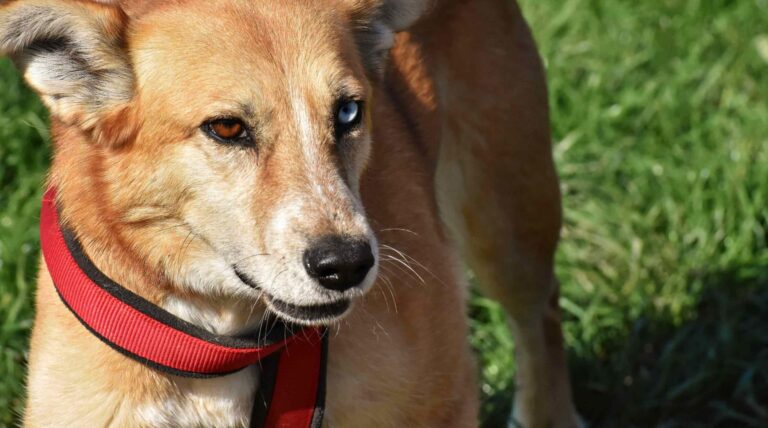
The Sheltidoodle: Your Guide to the Ultimate Poodle-Sheltie Mix

Are you ready to fall in love with one of the cutest, smartest, and most affectionate doodle dogs around? Meet the Sheltidoodle – a designer dog that‘s capturing hearts with their adorable looks and fantastic temperaments. Whether you‘re already head over heels for these mixes or are considering adding one to your family, this guide will tell you everything you need to know about this delightful hybrid breed.
What Exactly Is A Sheltidoodle?
A Sheltidoodle is a hybrid dog – a mix between two different purebreds, in this case a Shetland Sheepdog (Sheltie) and a Poodle. Like all designer dogs, they are the result of intentional crosses between two breeds to create puppies that hopefully inherit the best traits of each parent.
Sheltidoodles are still a relatively rare hybrid compared to popular Poodle mixes like Labradoodles and Goldendoodles. However, their numbers have been steadily rising in the past decade as more people fall for their charm. The Shelter Pet Project estimates there are now over 5,000 Sheltidoodles in the United States.
So what makes the Sheltidoodle so special? Let‘s take a closer look at their history, appearance, temperament, and more to find out.
The History of the Sheltidoodle
The Sheltidoodle‘s story begins with its purebred parents: the Shetland Sheepdog and Poodle. Shelties originated in the Shetland Islands of Scotland, where they were used to herd and guard livestock. They excel at this job thanks to their intelligence, agility, and strong work ethic.
Poodles also have a working background, with Standard Poodles used as retrievers for duck hunting. But all three Poodle sizes (Standard, Miniature, and Toy) are prized for their hypoallergenic coats, athleticism, and off-the-charts intelligence. Poodles excel at learning complex tasks and regularly top lists of the world‘s smartest dog breeds.
Given the wonderful qualities of Shelties and Poodles, it‘s no surprise that breeders decided to develop mixes between the two breeds. Sheltidoodles have likely existed naturally for decades, but intentional Sheltie-Poodle breedings first came on the scene in the early 2000s as the designer dog craze took off.
The goal in developing the Sheltidoodle was to create an outgoing, highly-trainable family companion with a low-shedding coat. Sheltidoodles proved to have the friendly yet loyal nature of the Sheltie combined with the smarts and low-allergen coat of the Poodle. It was the perfect combination for dog lovers wanting an adaptable, adorable pup.
Sheltidoodle Appearance
The Sheltidoodle‘s looks can vary quite a bit depending on whether they are a cross with a Toy, Miniature or Standard Poodle. In general, you can expect an adorably shaggy pup with characteristics from both parent breeds:
-
Size: Toy Sheltidoodles are 10-12" and under 20 lbs. Miniature Sheltidoodles are 12-15" and 20-35 lbs. Standard Sheltidoodles are 15-20" and 35-55 lbs.
-
Coat: Sheltidoodles usually have medium-length coats with loose waves or curls. They are low to non-shedding and may be suitable for those with allergies. However, they require frequent brushing to prevent matting.
-
Colors: The most common Sheltidoodle colors are black, blue merle, sable, and tri-colored (black/white/tan). They can also come in solid shades like cream, apricot, red, silver, brown, or parti-colors.
-
Other characteristics: Sheltidoodles typically have round, expressive eyes, button noses, and long, floppy ears. Their sturdy yet compact bodies are perfect for an active lifestyle.
Of course, each Sheltidoodle will be a unique combination of their Sheltie and Poodle parents. But across the board, you can count on Sheltidoodles to be both adorable to look at and a joy to be around.
The Ideal Sheltidoodle Temperament
As a blend of two highly intelligent working breeds, Sheltidoodles have the potential to be very talented and trainable dogs. They generally have an eager-to-please nature and pick up new commands quickly with positive reinforcement methods.
Unfortunately, this keen mind can be both a blessing and a curse. Sheltidoodles that are understimulated both mentally and physically are prone to problem behaviors like excessive barking, digging, or destructive chewing. Giving your Sheltidoodle a job to do, whether that‘s learning new tricks or joining you for a jog, will help keep them happy and well-behaved.
Sheltidoodles bond very closely with their families and can be prone to separation anxiety if left alone too often or for too long. They may bark to alert you of potential intruders, but they are more likely to greet guests with a wagging tail than an aggressive growl. Early and ongoing socialization will help boost your Sheltidoodle‘s confidence.
While Sheltidoodles can adapt to many different homes and lifestyles, there are some situations where they may not be the best fit. Sheltidoodles are not ideal for homes where they will be left alone for long workdays or that have no other pets or people for company. Apartment dwellers should also carefully consider a Sheltidoodle‘s need for daily exercise and tendency to bark.
Sheltidoodle Exercise and Space Needs
Despite their adorable looks, Sheltidoodles are not lazy lapdogs. Expect your Sheltidoodle to need at least 60 minutes of exercise per day, split between a few walks and some playtime. A fenced yard where your Sheltidoodle can run and get their zoomies out is ideal.
But physical exercise alone isn‘t enough to fulfill your brainy Sheltidoodle. They need just as much mental enrichment to thrive. Training sessions where they get to master new skills will help work out their mind. Dog sports like agility, obedience, flyball, and even herding tap into your Sheltidoodle‘s heritage and athleticism.
Of course, not every Sheltidoodle will grow up to be a champion agility dog – and that‘s okay! Puzzle toys stuffed with treats, games of hide-and-seek around the house, and any activity that engages their brain will help satisfy your Sheltidoodle‘s need for mental stimulation.
Sheltidoodle Health and Lifespan
All dogs can be impacted by health issues, and Sheltidoodles are no exception. Although mixed-breed dogs like Sheltidoodles are often healthier than their purebred relatives, they can still be at risk for conditions common to Shelties and Poodles. These include:
-
Hip and elbow dysplasia – abnormal development of the hip or elbow joint, causing pain and lameness. Preventable by screening breeding dogs and keeping your Sheltidoodle at a healthy weight.
-
Eye disorders – including progressive retinal atrophy (PRA), cataracts, and glaucoma. Regular vet exams can help catch these early. DNA tests are available for PRA.
-
Skin issues – Sheltidoodles may be prone to allergies that manifest as itchy skin or ear infections. Keeping up with grooming and using a gentle shampoo can help prevent flare-ups.
-
Dental disease – small breed dogs are especially prone to tartar buildup and gum disease. Brushing your Sheltidoodle‘s teeth daily is ideal, or giving dental chews as an alternative.
-
Bloat – also known as gastric dilatation-volvulus (GDV), this is a life-threatening twisting of the stomach. Serve your Sheltidoodle multiple small meals per day and avoid exercise right after eating.
With proper care and a bit of luck, the average Sheltidoodle lifespan is 12-15 years. You can maximize your Sheltidoodle‘s healthy years by working with a responsible breeder, keeping up with vet check-ups, feeding them a high-quality diet, and providing plenty of exercise.
Is A Sheltidoodle Right For You?
Now that you know more about the intelligent, energetic, affectionate Sheltidoodle, you may be wondering – is this the right dog for me? Sheltidoodles can be fantastic companions for the right person or family. You may be the perfect Sheltidoodle owner if:
- You are looking for a loyally devoted dog that wants to be by your side.
- You are able to provide at least an hour of exercise and playtime each day.
- You don‘t mind regular brushing and trips to the groomer to maintain a Sheltidoodle‘s curly coat.
- You are willing to invest time and effort into training and socialization.
- You have a securely fenced yard or can commit to multiple daily walks.
- You want a dog that‘s eager to join in on all your adventures.
- You aren‘t away from home for long workdays on a regular basis.
- You have another dog or a family member home during the day to keep a Sheltidoodle company.
- You love the idea of a smart dog that‘s always ready to learn something new.
- You‘ve fallen head over heels for the Sheltidoodle‘s cute scruffy looks!
Does this sound like you? Then a Sheltidoodle may be your perfect match! Be sure to do your research to find a responsible Sheltidoodle breeder or rescue organization. With a little patience and planning, you‘ll soon have a wonderful new best friend to share your life with.
5 Fun Facts About Sheltidoodles
-
According to a survey by the Sheltidoodle Association of North America, the most popular Sheltidoodle names are Charlie, Cooper, Bella, Lucy, and Max.
-
The current world record holder for most tricks performed by a dog in one minute is a Sheltidoodle named Champ, who completed an impressive 25 tricks in 60 seconds.
-
Celebrity Sheltidoodle owners include actor Chris Evans, comedian Amy Schumer, and singer Camila Cabello.
-
The American Kennel Club does not officially recognize the Sheltidoodle since it is a mixed-breed. However, Sheltidoodles can be registered with organizations like the Designer Breed Registry or International Designer Canine Registry.
-
Some of the most popular Sheltidoodle Instagram accounts to follow include @SheltidoodlesOfInstagram with over 200K followers, @SheltidoodleWorld, and @ILoveSheltidoodles.
Resources for Sheltidoodle Owners
Want to learn even more about this wonderful breed or connect with other Sheltidoodle owners? Check out these resources:
- Sheltie Poo Crew – Facebook group for owners and fans of Sheltidoodles
- Doodle Doods – extensive breed profile on the Sheltidoodle
- Oodles of Doodles Rescue Collective – organization that rehomes doodle mixes like Sheltidoodles
- Poodle Mixes – breeder directory and information about Poodle crosses including Sheltidoodles
- All Sheltidoodle – blog dedicated to all things Sheltidoodle
With their endearing personalities, cute looks, and trainability, the Sheltidoodle has so much to offer for the right owner. If you think this adorable Sheltie-Poodle mix might be the dog of your dreams, use the information in this guide to help you make an informed decision about welcoming one into your life. Wishing you and your future Sheltidoodle all the best!