The Tenacious Tracker: A Comprehensive Guide to the Black and Tan Coonhound
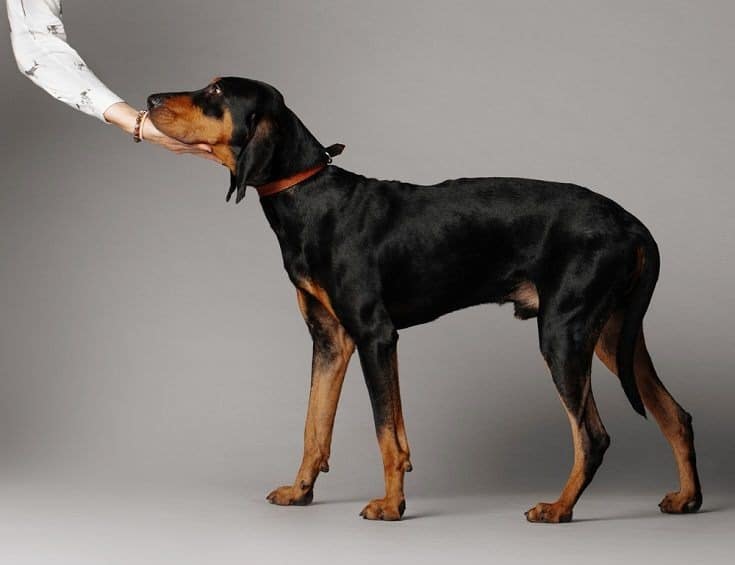
Instantly recognizable by their striking black and tan coloring, long ears, and deep baying bark, the Black and Tan Coonhound is a unique and talented hunting breed with a rich history in the American South. Developed as a tenacious tracker with an unrivaled nose for following scent trails, these sleek, muscular hounds have proven their prowess both in the field and as loyal family companions.
Whether you‘re already a proud owner of a Black and Tan Coonhound or considering adding one of these vocal, affectionate, and driven dogs to your pack, this comprehensive guide will give you an in-depth look at this all-American breed.
Breed History & Origin
"The Black and Tan Coonhound is one of the few American breeds that can be traced back to the earliest English hunting hounds." (American Kennel Club)
The story of the Black and Tan Coonhound begins in the the Blue Ridge, Appalachian, Smoky, and Ozark Mountains of the United States, where they were developed by settlers in the 1700s to track and tree raccoons and other small prey. Descended from the Talbot Hound and Bloodhound, they are thought to be one of the first coonhound breeds to specialize in nighttime hunting.
In the early 20th century, dedicated breeders like H.L. Baxter and W.H. Birdsong played a key role in standardizing the breed and promoting their hunting abilities. The United Kennel Club recognized the Black and Tan Coonhound in 1912, with the American Kennel Club following suit in 1945. Today, the breed remains a favorite among hunters and hound enthusiasts for their tenacity, tracking skills, and melodious voice.
Physical Characteristics
The Black and Tan Coonhound cuts an elegant yet powerful silhouette, with their muscular build, sleek lines, and rich coloring. Here‘s a detailed look at their key physical traits:
Size & Proportion
According to the AKC breed standard, male Black and Tan Coonhounds should stand 25-27 inches tall at the shoulder and weigh 65-110 pounds, while females are slightly smaller at 23-25 inches tall and 55-100 pounds. They have a large, domed head, a deep chest, and strong, straight legs suited for endurance in the field.
Coat & Coloring
One of the breed‘s most striking features is their short, dense coat with rich black coloring contrasted by tan markings on the chest, muzzle, over the eyes, and on the legs. This distinctive coloring is so closely associated with the breed that it is even reflected in their name.
The AKC breed standard specifies the ideal Black and Tan Coonhound coloring as "coal black with tan markings…a tan spot over each eye and on each cheek, the underside of the ear, chest, legs, and under the tail. Black should predominate." Some white on the chest is permissible but not desirable.
Distinctive Features
Black and Tan Coonhounds have several distinctive physical features that set them apart from other hound breeds:
- Long, pendulous ears that hang low on the head and help trap scent. The AKC describes the ears as "low set and well back, hanging in graceful folds, giving the dog a majestic appearance."
- Deep hazel or brown eyes with a soft, pleading expression
- A long, tapered tail that is held slightly curved but never curled over the back
Temperament & Personality
"Black and Tan Coonhounds are affectionate and loyal family companions who thrive on human companionship." (VetStreet)
In addition to their impressive physical traits, Black and Tan Coonhounds are also beloved for their even-tempered, sociable, and good-natured personality. They are gentle and patient with children, making them excellent family dogs. While not typically aggressive or territorial, their booming bark makes them an effective watchdog.
As pack dogs bred to work closely with their human hunting companions, Black and Tan Coonhounds crave companionship and affection. They do not do well if left alone for long periods and can become destructive if bored or under-stimulated. They thrive on interaction with their family and enjoy being included in daily activities.
True to their hunting roots, Black and Tan Coonhounds have a very high prey drive and will instinctively chase after small animals like rabbits and squirrels. Once they catch a scent, their tracking instinct kicks into overdrive and they become relentless in their pursuit, often trailing game for miles.
While single-minded and tenacious on the hunt, Black and Tan Coonhounds are generally laidback and easygoing companions in the home. They are adaptable and agreeable housemates, content to lounge at your feet (or on the couch if given the chance). However, these social, energetic hounds are happiest with plenty of attention, exercise, and the chance to put their powerful nose to work.
Exercise Needs
"Exercise, and plenty of it, is key to keeping Black and Tan Coonhounds happy and healthy." (PetMD)
As a high-energy working breed, Black and Tan Coonhounds require plenty of daily exercise to stay physically fit and mentally stimulated. A bored or under-exercised hound is more likely to develop problem behaviors like excessive barking, chewing, or digging.
The American Black and Tan Coonhound Rescue Association recommends a minimum of 30-60 minutes of vigorous exercise per day for adult dogs. This can include:
- Long walks or hikes
- Running or jogging with you
- High-intensity play sessions
- Swimming
- Puzzle toys and scent games
- Field trials or tracking practice
In addition to physical exercise, Black and Tan Coonhounds also need mental stimulation to satisfy their curiosity and tracking instincts. Scent work, nose work, hide-and-seek, and tracking games are all excellent ways to engage their keen sense of smell.
While Black and Tan Coonhounds are not well-suited for apartment living due to their high exercise needs and tendency to bay loudly, they are adaptable to many living situations as long as they have access to the outdoors. A home with a securely fenced yard where they can safely run and follow scent trails is ideal.
Training Tips
Black and Tan Coonhounds are intelligent, eager to please, and highly trainable. However, they can also be sensitive and stubborn at times, requiring patience and consistency in training.
Like most hounds, Black and Tan Coonhounds respond best to positive reinforcement training using high-value rewards like treats, praise, and playtime. Harsh corrections or punishment-based methods can damage their trust and willingness to work with you.
Some key training tips for Black and Tan Coonhounds include:
- Start socialization and basic obedience training early to teach good manners and build a strong bond
- Use reward-based training to encourage cooperation and discourage stubbornness
- Keep training sessions short, fun, and engaging to hold their attention
- Practice recall training often to teach a reliable "come" command, essential for off-leash adventures
- Use tracking and scent games to provide mental stimulation and an outlet for natural instincts
- Be patient and consistent in your training approach; progress may be slow but steady wins the race
With proper training and socialization, Black and Tan Coonhounds can excel in a variety of dog sports and activities including tracking, search and rescue, agility, rally, and obedience. Participating in these events is a great way to challenge your hound mentally and physically while strengthening your bond.
Grooming Needs
The short, dense coat of the Black and Tan Coonhound is relatively low-maintenance, requiring only weekly brushing to remove loose fur and distribute natural skin oils. They are moderate shedders, with heavier shedding seasonally as they "blow coat" in spring and fall.
In addition to regular brushing, Black and Tan Coonhounds need a few other grooming tasks to stay healthy and comfortable:
- Weekly ear cleaning to prevent infections common in floppy-eared dogs
- Regular tooth brushing and dental care
- Nail trims every 2-4 weeks
- Occasional baths (every 4-6 weeks) using a mild, hound-specific shampoo
Like most hounds, Black and Tan Coonhounds have a distinct "doggy odor" that is more noticeable when they are wet or overdue for a bath. However, over-bathing can strip the coat of natural oils and lead to skin irritation, so a little hound smell comes with the territory.
Health & Lifespan
Black and Tan Coonhounds are a generally healthy breed with an average lifespan of 10-12 years. However, like all breeds, they are prone to certain genetic health conditions. Some of the most common health issues seen in Black and Tan Coonhounds include:
- Hip and elbow dysplasia
- Progressive retinal atrophy (PRA)
- Hypothyroidism
- Bloat (gastric dilatation volvulus)
- Ear infections
Many of these health risks can be minimized by working with a responsible breeder who performs health screening on their breeding stock and carefully selects for health and temperament. The Black and Tan Coonhound Club of America recommends the following health tests for the breed:
- Hip Evaluation
- Ophthalmologist Evaluation
- PRA Optigen DNA Test
- Autoimmune thyroiditis evaluation from an approved laboratory
In addition to genetic screening, Black and Tan Coonhounds benefit from preventative care like regular vet check-ups, maintaining a healthy weight, feeding a balanced diet, and providing plenty of exercise. With proper care, these hardy hounds can enjoy a long, active life well into their golden years.
Fun Facts & Trivia
- Literary legends: Black and Tan Coonhounds have been featured in the works of several famous American authors, including William Faulkner‘s "The Bear" and Fred Gipson‘s "Old Yeller."
- Presidential pups: President Lyndon B. Johnson owned several Black and Tan Coonhounds during his time in the White House, including two named "Him" and "Her."
- Doggy detectives: With their keen sense of smell, Black and Tan Coonhounds make excellent tracking dogs for search-and-rescue work and have even been used to locate missing persons and escaped convicts.
- Baying vs barking: Black and Tan Coonhounds are known for their deep, melodious "bawl mouth" which is used to signal when they have treed their prey. This distinctive vocalization is often described as a cross between a bay and a howl.
- Gentle giants: Despite their large size and booming voice, Black and Tan Coonhounds are known for being exceptionally gentle and patient with children, making them a popular choice for families.
- A nose for trouble: According to the American Kennel Club, Black and Tan Coonhounds have approximately 40 times more scent receptors than humans, allowing them to detect odors at much greater distances and concentrations.
- From rags to riches: In the early 1900s, Black and Tan Coonhounds were primarily owned by working-class hunters and farmers in the rural South. Today, they are recognized as a versatile and accomplished breed in both the show ring and the field.
"The Black and Tan Coonhound has a nose that knows no quit. They are often the last ones to give up the trail, no matter how rough the terrain or how long the hunt." – Corey Mullin, Black and Tan Coonhound breeder and enthusiast
Is the Black and Tan Coonhound the Right Breed for You?
Black and Tan Coonhounds can make wonderful companions for the right owner, but they are not the ideal breed for everyone. Here are a few key factors to consider before bringing a Black and Tan Coonhound into your home:
- Space requirements: Black and Tan Coonhounds are large, energetic dogs that need plenty of space to run and explore. They do best in homes with securely fenced yards and room to roam.
- Exercise needs: As a high-energy working breed, Black and Tan Coonhounds require a significant amount of daily exercise (at least 30-60 minutes) to stay happy and healthy. Owners should be prepared to provide plenty of walks, runs, hikes, and playtime.
- Vocal tendencies: Black and Tan Coonhounds are known for their deep, booming bark and melodious bay, which they will use liberally to alert you to anything and everything. This can be a problem in close quarters like apartments or condos.
- Prey drive: With their strong hunting instincts, Black and Tan Coonhounds have a high prey drive and will chase after small animals if given the chance. They may not be the best fit for homes with cats, rabbits, or other small pets.
- Scent-driven: Black and Tan Coonhounds are scent hounds through and through, with an incredible nose and the drive to follow it. Once they catch a scent, they can be single-minded in their pursuit and difficult to call off, so keeping them on a leash or in a securely fenced area is a must.
- Training needs: While intelligent and eager to please, Black and Tan Coonhounds can also be stubborn and independent at times. They require consistent, positive training and plenty of patience to reach their full potential.
Finding a Black and Tan Coonhound
If you‘ve decided that a Black and Tan Coonhound is the right breed for you, the next step is finding a responsible breeder or rescue organization to adopt from. Here are a few tips to get you started:
- Research breeders: Look for a reputable breeder who performs health testing on their breeding stock, socializes their puppies, and is willing to answer your questions and provide references. The Black and Tan Coonhound Club of America maintains a breeder directory on their website.
- Consider rescue: If you‘re open to adopting an adult dog, contact breed-specific rescue organizations like the American Black and Tan Coonhound Rescue Association to inquire about available hounds in your area.
- Meet the parents: If you‘re buying a puppy, ask to meet the parent dogs to get a sense of their temperament and health. A responsible breeder will be happy to introduce you to the mother (and father, if available) of the litter.
- Ask questions: Don‘t be afraid to ask the breeder or rescue organization plenty of questions about the dog‘s health, temperament, training, and care requirements. A reputable source will be happy to provide you with all the information you need to make an informed decision.
With their striking good looks, keen intelligence, and loyal nature, Black and Tan Coonhounds can make exceptional companions for active, outdoorsy families or dedicated hunters. If you‘re willing to provide plenty of exercise, training, and companionship, you‘ll be rewarded with a devoted and talented friend for life.