The Fantastic Feist: A Comprehensive Guide to the Feistiest Dog Around
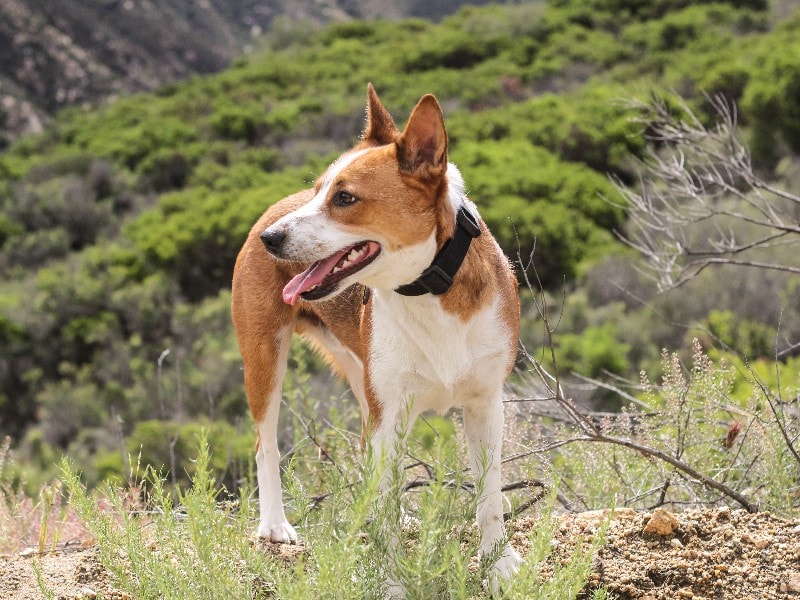
Are you ready to add some serious spunk to your life? Meet the Feist, a compact canine powerhouse with a heart as big as their personality. This isn‘t your average lapdog – Feists are curious, clever, and always up for an adventure. Whether they‘re scaling trees to chase squirrels or snuggling under the covers, these little dynamos never do anything halfway.
If you‘re looking for a dog that will keep you laughing, keep you active, and always keep you guessing, the Feist may be your perfect match. But before you fall head over heels for those perky ears and soulful eyes, it‘s important to understand what makes this breed tick. In this comprehensive guide, we‘ll explore the Feist from nose to tail, delving into their history, traits, care needs, and more. By the end, you‘ll know if you‘re ready to take on the challenge of loving a Feist.
The Scrappy History of the Southern Squirrel Dog
The Feist may be small, but they‘ve got a big backstory. This breed emerged in the rural southern United States in the 18th and 19th centuries, developed by settlers who needed a dog that could help put food on the table. As the name suggests, Feists were prized for their "feistiness" – their bold, tenacious spirit and tireless work ethic.
So what exactly went into the Feist melting pot? Experts believe these dogs descended from crosses between Native American dogs and various terriers and hounds brought over by English, Irish, and German immigrants. The result was a swift, agile hunter skilled at treeing small game like squirrels, rabbits, and opossums. On the farm, Feists earned their keep by dispatching vermin and guarding the homestead.
The word "Feist" itself is a bit of a mystery. Some say it comes from the obsolete word "fice," meaning a small, aggressive dog. Others claim it‘s a corruption of "fyst," an Old English term for breaking wind (charming, right?). Regardless of the etymology, the name stuck as an apt descriptor for these spunky little hunters.
As Feists spread across the South, distinct regional types emerged based on the terrain and available breeding stock. In the Ozarks, where squirrels were abundant, the Mountain Feist became a local legend. These sure-footed climbers had longer legs and denser coats to navigate the rocky hillsides. In the Deep South, the Mullins Feist was prized for its speed and stamina in the humid swamplands.
Other notable Feist varieties include:
| Feist Type | Key Traits |
|---|---|
| Barger Stock Feist | Developed by the Barger family of Kentucky, known for treeing ability and compact size (12-15 inches) |
| Kemmer Stock Feist | A larger, more hound-like variety used for hunting small game and feral hogs, typically 15-18 inches tall |
| Bench-legged Feist | Featuring shorter, sturdier legs for pushing through dense underbrush, often with a bobtail |
| Rat Terrier Feist | A cross between a Feist and a Rat Terrier, combining the Feist‘s prey drive with the Rat Terrier‘s speed |
While these regional types share common ancestors, each has been shaped by generations of selective breeding for the specific needs of local hunters and farmers. Today, breed clubs like the American Treeing Feist Association and the Feist Breeders Association are working to preserve the Feist‘s unique history and hunting prowess.
The Fine Print on Feist Form and Function
Feists may be little, but they‘re not delicate. These sturdy, athletic dogs are built for life in the field, with a body that‘s slightly longer than tall and a deep chest for ample lung power. While there‘s some variation between bloodlines, most Feists share these key physical traits:
-
Size: Feists typically stand 12-18 inches at the shoulder and weigh 15-30 pounds, with males slightly larger than females. Some varieties like the Barger Stock Feist are on the smaller side, while the Kemmer Stock Feist is taller and more hound-like.
-
Head: The head is proportionate to the body, with a medium-length muzzle, dark or hazel eyes, and high-set ears. Ears may be pricked, semi-pricked, or button depending on the bloodline.
-
Coat: A Feist‘s short, smooth coat is usually a combination of white with spots or patches of color like red, black, tan, or brindle. Some may have ticking or freckles on the legs and belly. The tight coat requires minimal grooming, but they are average shedders.
-
Body: Feists have a muscular, slightly arched neck leading to well-laid-back shoulders and a short, straight back. The ribs are well-sprung and the loin is short and strong. Legs are straight and muscular, with cat-like feet that may be webbed for swimming. The tail is set high and may be straight, curved like a sickle, or naturally bobbed.
Breed organizations like the United Kennel Club (UKC) have developed detailed standards for the Feist, outlining ideal proportions and movement. However, given the breed‘s working history, there is some flexibility in appearance as long as the dog retains the essential qualities of a hunting companion. Disqualifying faults include:
- Extremely shy or aggressive behavior
- Overshot or undershot bite
- Incorrect coat colors like merle or dilute
- Deafness or blindness
- Cryptorchidism (undescended testicles in males)
Compared to similar breeds like the Jack Russell Terrier or Rat Terrier, Feists tend to have a leggier, more streamlined build. They are also typically less aggressive towards other dogs, as they were designed to work in packs alongside hounds and curs. However, their prey drive towards small animals like cats and rabbits is just as strong.
Hunting with a Hive-Minded Handful
So what‘s it like to hunt with a Feist? In a word – exhilarating. These dogs live for the thrill of the chase, using their keen noses and sharp eyes to locate and tree small game. Unlike hounds that track with their noses to the ground, Feists often scan the treetops for the flick of a squirrel tail or the flutter of a bird wing.
Once they‘ve locked onto their quarry, the real action begins. Feists will circle the tree, barking excitedly to alert the hunter and keep the animal cornered above. This behavior is called "treeing," and it‘s an instinct that‘s hardwired into most Feists from birth.
As one Feist owner described it: "Watching my dog Jip work is like watching poetry in motion. He glides through the underbrush like a shark, hardly making a sound until he‘s got that squirrel right where he wants it. Then all heck breaks loose and it‘s a mad dash up the trunk, barking to beat the band. I swear that dog grins from ear to ear when he‘s treeing – it‘s what he was born to do."
But Feists aren‘t just solo artists – they also excel at teamwork. In the field, they are often deployed alongside larger treeing dogs like Black Mouth Curs or Coonhounds. The Feists will scout ahead and locate the quarry, using their smaller size to navigate dense thickets. Once they‘ve treed their prey, the bigger dogs‘ booming voices take over to keep it in place.
This cooperative hunting style requires a dog that‘s not only tenacious, but also highly attuned to its human handler and canine partners. Feists are known for their keen intelligence and desire to please, making them quick studies in the field. With consistent training and plenty of opportunities to hunt, they can become indispensable allies in filling the freezer.
Of course, not every Feist owner is a hunter. Many are drawn to the breed‘s lively personality and portable size as a family companion. But even pet Feists retain that insatiable drive to chase and conquer. Giving them constructive outlets for their energy and prey drive, like participating in dog sports or interactive playtime, is key to keeping them mentally stimulated and out of trouble.
Living with a Feist: Not for the Faint of Heart
Bringing a Feist into your life is a bit like adopting a perpetual motion machine. These dogs are always on the go, whether they‘re chasing a ball, exploring a new trail, or just making their rounds of the backyard. For active families or individuals who love spending time outdoors, a Feist can be an ideal adventure buddy. But for couch potatoes or those who want a placid lap warmer, this breed may be too much of a handful.
Feists bond deeply with their owners and crave constant companionship. They‘ll follow you from room to room, always eager to be involved in whatever you‘re doing. This loyalty is endearing, but it also means Feists don‘t tolerate being left alone for long periods. Without enough mental and physical stimulation, they can become anxious and destructive, channeling their boredom into chewing, digging, or barking.
As much as they adore their humans, Feists have an independent streak a mile wide. They are thinkers and problem-solvers, always looking for new ways to outsmart their prey (or their owners). This means they can be a challenge to train, as they quickly grow bored with repetitive commands and may choose to ignore cues that don‘t seem relevant to them in the moment.
Successful Feist training requires creativity, consistency, and a whole lot of patience. Positive reinforcement methods that tap into the breed‘s natural drives, like using a flirt pole or hiding treats for them to find, can help keep them engaged. Short, frequent training sessions are better than long, monotonous ones. And because Feists are so attuned to body language, using hand signals in addition to verbal cues can be especially effective.
While they may test your patience at times, Feists are also incredibly sensitive dogs that thrive on clear communication and enthusiastic praise. Harsh corrections or punishment can damage their trust and shut down their desire to learn. The key is to build a relationship based on mutual respect, where the Feist sees you as a trusted leader and a source of all good things.
One area where Feists may struggle is in their interactions with other small animals. As bred hunters, they have an incredibly high prey drive that can make living with cats, rabbits, or other pocket pets a real challenge. Even Feists raised with these animals from puppyhood may suddenly see them as fair game if they run or make sudden movements.
Similarly, Feists may not back down from a confrontation with a strange dog, especially if that dog initiates the challenge. Early and extensive socialization is critical for teaching Feists how to interact appropriately with other canines. Exposing them to a wide variety of dogs in positive, controlled settings as puppies can help them learn to read social cues and defuse tense situations.
Given their high energy levels and potential for animal aggression, Feists do best in homes with secure fencing and a dedicated owner who can provide ample exercise and supervision. They are not a breed that can be left to their own devices for long periods, as they will find ways to entertain themselves – often at the expense of your garden or furniture.
Keeping Your Feist in Fighting Form
Despite their boundless energy, Feists are generally hardy little dogs with a lifespan of 13-18 years. However, like all breeds, they are prone to certain health issues that owners should be aware of. Some of the most common health concerns in Feists include:
- Patellar luxation: A genetic condition where the kneecap slips out of place, causing pain and lameness. Surgery may be required in severe cases.
- Hip dysplasia: A malformation of the hip joint that can lead to arthritis and mobility issues. Proper diet and exercise can help manage the condition.
- Progressive retinal atrophy (PRA): A degenerative eye disease that can cause blindness. DNA tests can identify carriers and affected dogs.
- Deafness: Some Feists, particularly those with white coats, may be born deaf or develop hearing loss later in life. Regular BAER testing can help identify affected dogs.
- Allergies: Feists may be prone to skin and food allergies that cause itching, hair loss, and gastrointestinal issues. Working with a veterinarian to identify and eliminate triggers is key.
To keep your Feist healthy, focus on providing a balanced diet, regular exercise, and preventative care like vaccinations and parasite control. Brushing your Feist‘s teeth regularly and checking their ears for signs of infection can also help prevent common issues.
Because of their high prey drive and tendency to chase, Feists are also at higher risk for injuries like cuts, scrapes, and torn ligaments. Having a first aid kit on hand and knowing how to handle common emergencies can help keep your Feist safe on all their adventures.
Is a Feist Right for You?
Living with a Feist is not for everyone. These dogs require an owner who is active, patient, and able to provide consistent training and leadership. They thrive in homes with securely fenced yards and plenty of opportunities to exercise their bodies and minds.
Before bringing a Feist into your life, ask yourself:
- Do I have the time and energy to keep up with a high-octane dog?
- Can I provide at least an hour of vigorous exercise and playtime each day?
- Am I comfortable with a dog that may have a strong prey drive towards small animals?
- Do I have experience with positive reinforcement training and working with independent-minded dogs?
- Can I commit to consistent socialization and ongoing training throughout my dog‘s life?
If you answered yes to these questions, a Feist may be the perfect companion for your active lifestyle. These little firecrackers will keep you on your toes and fill your days with laughter, love, and plenty of muddy paw prints.
To find a Feist of your own, start by researching reputable breeders who prioritize health, temperament, and working ability. Look for a breeder who performs genetic testing, provides health guarantees, and socializes their puppies from an early age. Avoid pet stores or online sellers who cannot provide information about a puppy‘s parents or health history.
You may also be able to find a Feist in need of a home through breed-specific rescue organizations or local shelters. Adopting an adult dog can be a great way to skip the puppy stage and find a companion that‘s already trained and socialized. Just be sure to work with a reputable rescue group that can provide insight into a dog‘s history and personality.
Bringing a Feist into your life is not a decision to be made lightly. These dogs are a big commitment in a small package, requiring time, energy, and endless patience. But for those who are up for the challenge, a Feist can be an incredibly rewarding companion. With their bright minds, brave hearts, and boundless enthusiasm for life, these little hunters will capture your heart and keep you on your toes for years to come.