The Throwback Pomeranian: A Fascinating Look Back at Pom History
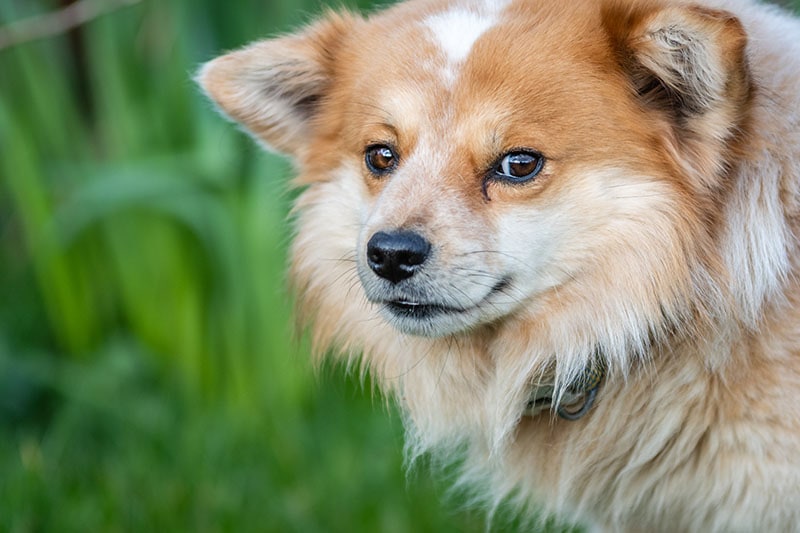
As a dog lover and Pomeranian enthusiast, I‘ve always been intrigued by the unique subset of the breed known as throwback Pomeranians. With their larger size, more angular faces, and thick, luxurious coats, these dogs are a striking contrast to the dainty, toy-sized Pomeranians that have become the norm.
But what exactly are throwback Pomeranians? How do they differ from standard Poms, and where do they come from? Let‘s take a deep dive into the history, characteristics, and care of these captivating canines.
From Sled Dogs to Lap Dogs: The Evolution of the Pomeranian
To understand throwback Pomeranians, we first need to examine the breed‘s origins. Pomeranians are descended from large spitz-type dogs originally from the Arctic regions, where they served as sled dogs, herders, and watchdogs. These ancestral Pomeranians weighed 30-40 pounds or more and had the thick double coats, prick ears, and fox-like faces typical of spitz breeds.
In the 16th-18th centuries, these dogs were brought to Europe, where they caught the eye of royalty and nobility. Breeders in the Pomerania region (now part of Germany and Poland) began selectively breeding them down in size. By the 19th century, Pomeranians had become popular companions, but they still typically weighed 20-30 pounds[^1].
It wasn‘t until the late 1800s that toy Pomeranians exploded in popularity, thanks in large part to Queen Victoria. The queen fell in love with the breed and began importing and breeding the smallest Pomeranians she could find. Under her influence, the breed standard was revised to favor Poms under 7 pounds[^2].
Over the following decades, breeders honed in on the tiny toy Pomeranian type through selective breeding. The breed‘s size shrank, their faces became rounder and shorter-muzzled, and their coats grew longer and fluffier. This is the Pomeranian we know today.
However, some breeders opted to maintain the older, larger Pom type rather than pursuing the modern toy version. These traditional Pomeranians are now known as "throwbacks."
Size and Appearance
The most noticeable difference between throwback and standard Pomeranians is size. Toy Poms typically stand 7-12 inches tall and weigh no more than 7 pounds, with many weighing just 3-5 pounds. Throwbacks, in contrast, usually stand 12-16 inches tall and weigh 10-20 pounds or more[^3].
Some throwbacks can be even larger, reaching up to 25 pounds. At this size, they‘re similar in build to other small spitz breeds like American Eskimo Dogs, Schipperkes, and Japanese Spitz.
[^1]: Cathy Dearth. "History of the Pomeranian." Brooksville Kennel Club. https://brooksvillekennelclub.org/history-of-pomeranians[^2]: Patrick Burns. "The Three Stages of Pomeranian Development." PetHelpful, 21 January 2022. https://pethelpful.com/dogs/the-pomeranian-stages
[^3]: "Throwback Pomeranian: All You Need to Know." TheDogDigest, https://www.thedogdigest.com/throwback-pomeranian-all-you-need-to-know
Throwbacks also have more angular, fox-like faces compared to the round, baby-doll features of toy Poms. Key physical characteristics of throwback Pomeranians include:
- Wedge-shaped head with a longer muzzle
- Almond-shaped eyes rather than round
- Erect, pointed ears
- Thicker, harsher double coat
- Pronounced ruff around the neck
- Muscular hindquarters and a plumed tail carried over the back
- Sturdy, solid bone structure
Temperament and Personality
Throwback Pomeranians share many traits with toy Poms, including intelligence, liveliness, loyalty, and affection for their families. However, their temperaments also reflect their working spitz background in some key ways:
-
Higher prey drive: Throwbacks have a stronger hunting instinct and are more likely to chase small animals. A secure fence and leash are a must.
-
More independent: While loving with their families, throwbacks are a bit more aloof than toy Poms and content to entertain themselves. They‘re not as needy for constant attention.
-
Reserved with strangers: Throwbacks tend to be warier of new people and make excellent watchdogs, barking to alert their owners of anything suspicious.
-
Stubborn streak: Like many spitz breeds, throwbacks have an independent mind of their own and aren‘t always eager to please. Positive reinforcement training is a must.
Of course, every dog is an individual, and a Pom‘s personality will also depend on breeding, socialization, and lifelong training. But in general, expect a throwback Pom to be a bit more of a free thinker than a biddable lap dog.
Health and Lifespan
Throwback Pomeranians are generally considered a robust, healthy variety thanks to their larger size and more moderate physical features compared to toy Poms. However, like all Pomeranians, they are still prone to certain genetic health conditions, including:
- Luxating patellas (slipping kneecaps)
- Tracheal collapse
- Dental disease
- Hypothyroidism
- Alopecia X (hair loss)
- Eye problems like distichiasis and entropion
Responsible throwback breeders will health test their stock for these issues and strive to produce the healthiest pups possible. The Orthopedic Foundation for Animals (OFA) recommends the following health tests for the Pomeranian breed[^4]:
| Health Test | Age |
|---|---|
| Patella evaluation | 1 year |
| Cardiac exam | 1 year |
| Ophthalmologist evaluation | 1 year |
With proper care from a responsible breeder and owner, throwback Pomeranians often live 12-16 years.
Grooming and Coat Care
One of the most defining features of a throwback Pomeranian is their thick, luxurious double coat. While both types of Pom have a soft undercoat and harsh outer coat, throwbacks tend to have denser, fuller coats that can be up to 2 inches long.
To maintain a healthy coat and prevent mats, throwback Poms need thorough brushing 2-3 times per week, if not daily. They‘ll also need occasional baths every 3-8 weeks, depending on how dirty they get, and regular nail trims.
Throwbacks will shed moderately year-round and more heavily during seasonal coat blows in the spring and fall. During these heavy sheds, you may need to brush daily to keep up with the hair and prevent tangles.
Grooming tools that help maintain a throwback Pom‘s coat include:
- Pin brush for general brushing
- Slicker brush for removing mats and tangles
- Undercoat rake during shedding season
- Wide-toothed comb for fluffing
- High-velocity dryer to blow out loose undercoat
Training and Exercise
Like most spitz breeds, throwback Pomeranians are highly intelligent but also independent-minded. They respond best to positive reinforcement training with lots of treats, praise, and play. Harsh corrections will only make them shut down.
Early socialization is crucial for throwback puppies to grow into confident, well-adjusted adults. Expose them to a variety of people, animals, places, and situations to build their confidence.
Throwbacks also tend to be sensitive to tone of voice and may develop problem behaviors like excessive barking, resource guarding, or separation anxiety if they feel uncertain or threatened. Building a loving bond through training helps prevent these issues.
While small, throwback Poms still need daily exercise and mental stimulation to stay happy and healthy. Aim for at least a 20-30 minute walk each day, along with plenty of playtime and brain games.
Throwbacks also often excel at dog sports like rally, agility, and obedience thanks to their keen intelligence and athleticism. Even if you don‘t compete, training in these sports is a fantastic way to bond with your Pom.
Is a Throwback Pom Right for You?
A throwback Pomeranian can be the perfect companion for the right owner. You may be an ideal candidate if:
- You love the spunky Pom personality but want a sturdier, more active dog than a delicate toy.
- You‘re looking for a watchdog and don‘t mind some protective barking.
- You‘re committed to plenty of exercise, training, socialization, and grooming.
- You have experience with (or are willing to learn about) positive reinforcement training for independent breeds.
- You don‘t have very young children that could accidentally injure a small dog.
On the flip side, a throwback Pom may not be the best fit if you want a mellow lapdog, can‘t provide enough exercise and stimulation, or have a busy lifestyle that doesn‘t allow for frequent grooming.
Finding a Throwback Pom
If you‘ve decided a throwback Pomeranian is the dog for you, take your time to find an ethical breeder producing healthy pups. Avoid pet stores, puppy mills, and online ads, as these sources may sell poorly bred dogs with health and behavior problems.
Instead, look for breeders who health test their dogs, provide a written contract and health guarantee, and insist on meeting potential owners in person. Expect to pay $1,500-$5,000 or more for a well-bred throwback Pom puppy, and be ready to join a waiting list.
You can start your search by contacting the Pomeranian Club of America or your closest regional Pom club for breeder referrals. The Pomeranian Club of Canada also has a breeder directory that includes some kennels focused on throwbacks.
Social media is another great place to find and connect with reputable throwback breeders. Check out hashtags like #throwbackpomeranian, #throwbackpom, and #vintagepomeranian on Instagram, and follow accounts that feature throwbacks to learn more about the variety.
Conclusion
Throwback Pomeranians are a unique window into the breed‘s history as sturdy working spitz dogs. While they may not fit the modern toy Pom standard, they have a devoted following of owners who love their foxy looks, lively personalities, and relative hardiness.
As with any dog breed, living with a throwback Pom has its joys and challenges. These intelligent, independent little dogs need commitment to training, socialization, exercise, and grooming to thrive.
But for the right owner, the rewards of a throwback Pom‘s devoted companionship are well worth the effort. These special dogs are a celebration of the breed‘s heritage and a tribute to the versatility of the mighty Pomeranian.