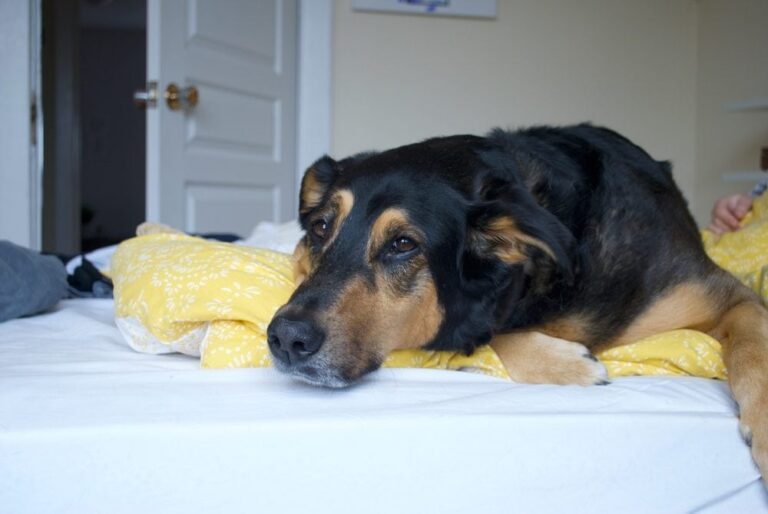
The Transylvanian Hound: A Noble and Nimble Family Friend

Ah, the Transylvanian Hound – a breed as spirited as the mountains they hail from. As a veterinarian and lifelong dog devotee, I‘ve had the pleasure of caring for countless canines over the years. But there‘s something extra special about this agile hunter with a heart of gold. If you‘re considering welcoming one of these rare hounds into your home, pull up a chair and let‘s unpack all that makes the Transylvanian Hound so terrific.
A Hound of Historic Proportions
The Transylvanian Hound‘s story spans centuries, with roots reaching back to the misty mountains of medieval Transylvania (now central Romania). This rugged region‘s dense forests were once teeming with large game like bears, lynx and wolves. To tackle such formidable quarry, Hungarian nobility developed a swift, courageous and keenly aware hound – enter the Transylvanian Hound, stage right.
One of the earliest recorded references to these resilient red and black hunters comes from a 13th-century Hungarian law regarding canine theft. It‘s said that a Transylvanian Hound was worth as much as a horse at the time! The breed‘s prowess made them prized across Europe, with many Hungarian nobles gifting hounds to foreign royalty.
But as the era of grand game parks waned, so too did the Transylvanian Hound‘s numbers. By the early 1900s, many ancient breeds faced extinction. The short-legged variety of Transylvanian Hound was lost to the sands of time.
Thankfully, a dedicated group of Hungarian breeders refused to let this plucky hound fade away completely. In 1968, the Fédération Cynologique Internationale (FCI) recognized the Transylvanian Hound as the 6th native Hungarian breed. The United Kennel Club followed suit in 2006, bringing wider attention to these charismatic canines.
Did You Know?
In 2015, the American Kennel Club added the Transylvanian Hound to its Foundation Stock Service, a stepping stone toward full AKC recognition. To achieve this next milestone, a breed needs a minimum of 150 active dogs in the US, a national breed club, and a demonstrated breeding history. With Transylvanian Hound numbers slowly climbing stateside, I have a hunch we‘ll be seeing more of these dynamic dogs in the limelight!
Breed Basics

At a glance, the Transylvanian Hound strikes a noble pose. They‘re medium-to-large hounds, with males standing 22-26 inches at the shoulder and females 20-24 inches. A well-muscled, athletic frame carries 55-77 robust pounds. Under a short red & white or black & tan coat is a chest built for stamina and legs meant to move with effortless grace.
Speaking of stamina, Transylvanian Hounds enjoy a relatively long lifespan of 10-14 years on average. As a veterinarian, this hardy hound‘s health brings a smile to my face. With responsible breeding and care, they suffer from few congenital conditions. Still, it‘s important to discuss your individual dog‘s needs with your vet, especially as they age.
Breed Comparison
| Breed | Height | Weight | Lifespan |
|---|---|---|---|
| Transylvanian Hound | 22-26 in | 55-77 lbs | 10-14 yrs |
| Bloodhound | 23-27 in | 80-110 lbs | 10-12 yrs |
| Beagle | 13-15 in | 20-30 lbs | 10-15 yrs |
| Basset Hound | 14 in | 50-65 lbs | 12-13 yrs |
Source: American Kennel Club Breed Standards
Personality Plus
What‘s the Transylvanian Hound like at home? In a word – delightful! These even-tempered hounds overflow with affection for their people. They‘re deeply devoted and never want to be far from your side.
While initially a bit reserved, Transylvanian Hounds warm up quickly to visitors with proper intros. They tend to be more "one family" dogs than social butterflies, but rarely shy away from ear scritches.
Like most hounds, Transylvanian Hounds are incredibly bright but can have an independent streak. They respond best to positive reinforcement with plenty of tasty treats and praise. Start training early and keep lessons short and upbeat. Your hound will amaze you with their ability to learn new skills in a flash.
Transylvanian Hounds adore children and make gentle, tireless playmates. That said, no dog should be left unsupervised with young kids. Teaching both dogs and children how to interact safely leads to beautiful friendships. With older kids, your hound will happily romp for hours or chill for cuddles.
These agile athletes also thrive in canine sports like agility, lure coursing, and competitive obedience. The key is finding an outlet for their boundless energy and keen mind. A Transylvanian Hound with a job is a happy hound indeed!
Prey Drive and Multi-Pet Homes
As hunting hounds, Transylvanian Hounds come wired with a strong prey drive. They often can‘t resist chasing small critters that catch their eye. The good news is that they typically play well with other dogs, especially if raised together.
When it comes to cats, early and frequent socialization is a must. With careful introductions and positive experiences, many Transylvanian Hounds can learn to coexist with felines. Just separate them during mealtimes and keep an eye out during play. Your hound‘s exuberance may overwhelm more timid kitties.
I don‘t recommend having pocket pets like hamsters or rabbits around any hound. Their hunter‘s heart would have a hard time resisting nature‘s call. If you do keep tiny furries, secure their habitats in a dog-free zone for everyone‘s safety.
Exercise and Enrichment
There‘s no way around it – the Transylvanian Hound is a high-octane hound. These brilliant dogs will keep you on your toes! They require at least an hour of vigorous exercise each day, broken into a few brisk walks and active play sessions.
Mental stimulation matters just as much as physical exercise. Puzzle toys, hiding treats, nose work games, and learning new tricks all help keep your hound‘s agile mind engaged. A bored Transylvanian Hound is a dog looking for trouble.
Access to a securely fenced yard is a huge plus for meeting your hound‘s activity needs. They‘ll love romping after balls and stretching their legs between walks. Dog parks can also be a great source of socialization and energy release. Just keep tabs on your hound‘s body language and be ready to intervene if play gets too rambunctious.
It‘s amazing how much a tired Transylvanian Hound loves to lounge afterwards though! Once they‘ve had their fill of fun, your hound will happily join you for a Netflix marathon or lazy Sunday snooze. Snuggle up and savor the downtime – you‘ve both earned it.
Sample Transylvanian Hound Exercise Routine
- 30-45 minute brisk morning walk or jog
- 15-minute training or puzzle toy session
- Midday 10-minute ball or frisbee toss
- 45-60 minute afternoon hike or trip to the dog park
- 15-minute evening game of hide and seek or nose work
- Plenty of potty breaks and yard time in between
Adjust duration and intensity based on your individual dog‘s age, health, and energy levels. Your vet can guide you on the right balance.
Grooming and Care
For all their larger-than-life personality, Transylvanian Hounds are surprisingly low-maintenance in the grooming department. Their short, dense double coat just needs a weekly once-over with a hound mitt or rubber curry brush. This will help remove dead hair and prevent excessive shedding.
During spring and fall shedding seasons, you may want to up the brushing to a few times a week. A deshedding tool can help eliminate those pesky hair tumbleweeds around your home. Baths can be given every month or so, unless your hound rolled in something particularly pungent. (It happens to the best of them!)
Here are a few more Transylvanian Hound grooming tips:
- Brush teeth daily or give dental chews to prevent periodontal disease
- Check ears weekly for wax build-up, odor or redness – clean gently as needed
- Trim nails every 2-4 weeks, taking care not to cut too close to the quick
- Wipe around eyes and skin folds with a damp cloth to remove debris
Of course, one of the most vital aspects of Transylvanian Hound health starts in the bowl. Feed your hound a high-quality, protein-rich diet in keeping with their age, size and activity level. A good rule of paw is 3-4.5 cups of kibble daily, divided into two meals. Avoid leaving food out all day or supplementing too many treats, which can lead to obesity. If you‘re ever unsure, chat with your vet about your hound‘s ideal weight and portion sizes.
Health and Longevity
As I mentioned, the Transylvanian Hound is a generally hardy breed with a respectable lifespan. That said, no dog is completely immune to health hiccups. Like all deep-chested breeds, they can be prone to bloat (gastric dilatation-volvulus or GDV). This serious condition causes the stomach to twist and fill with gas, cutting off blood flow. Symptoms include restlessness, drooling, pale gums and a distended belly. GDV requires immediate veterinary attention.
To help prevent bloat:
- Feed smaller, more frequent meals
- Avoid exercise for at least an hour after eating
- Consider a slow feeder or puzzle bowl
- Keep a close eye on your hound‘s weight
Some Transylvanian Hounds may also face hip or elbow dysplasia, a malformation of the joint that can lead to arthritis. Responsible breeders will screen for this condition. Keeping your hound lean and providing joint supplements can help manage discomfort if issues crop up.
As hounds, they can also be predisposed to ear infections. Check and clean your Transylvanian Hound‘s ears regularly to catch any problems early. Floppy ears trap moisture and bacteria, so it‘s important to keep them dry and debris-free.
Your vet is your partner in keeping your Transylvanian Hound thriving. Stick to yearly check-ups, keep vaccines current, and don‘t hesitate to visit at the first sign of trouble. With proper care and a pinch of luck, your hound should enjoy a long, active life by your side.
Is a Transylvanian Hound Right for You?
So, you‘re smitten with the tenacious Transylvanian Hound (and who could blame you?). Let‘s make sure you‘re ready to meet this magnificent hound‘s needs.
The ideal Transylvanian Hound home is:
- Active and outdoorsy
- Able to provide plenty of physical and mental exercise
- Experienced with dogs or eager to learn
- Prepared for moderate shedding and grooming
- Committed to lifelong training and socialization
- Blessed with a securely fenced yard
- Ready to be a hound‘s whole world
If you work long hours, travel frequently or prefer a perfectly pristine home, the Transylvanian Hound may not be your perfect match. These persistent pups need consistent companionship and can get into trouble when left to their own devices. A well-exercised hound is a happy hound, but a bored one will quickly redecorate your sofa.
Adopting a Transylvanian Hound is a long-term commitment, with a lifespan of 10-14 years. If you‘re ready to dive heart-first into the world of hounds, start your search with the North American Transylvanian Hound Association or the Transylvanian Hound Club of America. These passionate hound advocates can point you towards responsible breeders and rescues.
When you find your dream dog, get ready for a love like no other. Transylvanian Hounds have a way of weaving themselves into the fabric of your life. Through all the romps and naps and adventures yet to come, you‘ll have a loyal friend trotting devotedly by your side.
So here‘s to the Transylvanian Hound – a valiant, vivacious and utterly victorious companion. May they bound into hearts and homes for centuries to come!