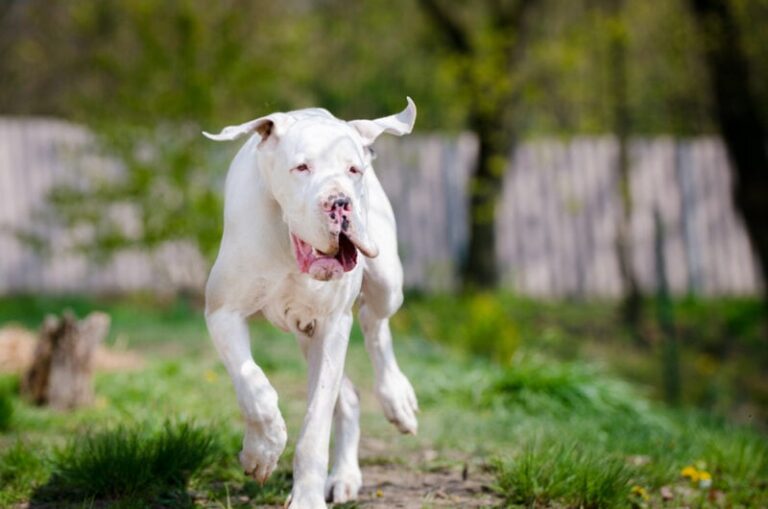
The White Australian Shepherd: A Rare and Radiant Beauty

As a lifelong dog lover and Aussie enthusiast, I‘ve always been captivated by the stunning looks and delightful personalities of Australian shepherds. And while classic black, blue merle, and red coats are undeniably eye-catching, there‘s something extra special about an all-white Aussie.
Fittingly known as the "ghost Aussie" for their pale, ethereal appearance, white Australian shepherds are a relatively rare find in the breed. Experts estimate that only around 5% of Aussies are born completely or predominantly white due to double merle genetics.
But white Australian shepherds are so much more than just a pretty face. These spirited, whip-smart, endlessly entertaining dogs excel in any activity they set their paws to, from companionship to canine sports to critical service roles. Let‘s take a deep dive into the history, characteristics, and irresistible charm of the white Aussie.
The Ghost With the Most
White Australian shepherds are born when a puppy inherits two copies of the merle gene, one from each parent. This is referred to as "double merle." In double merles, the signature mottled merle pattern is covered up by white, resulting in a mostly or completely snowy coat.
Many double merles also exhibit some form of hearing or vision impairment. Approximately 15-25% of double merle Aussies are born either deaf, blind, or both according to a survey by the Australian Shepherd Club of America.
However, it‘s important to note that the majority of white Aussies have normal hearing and vision. And even those with sensory impairments can live exceptionally full, happy lives with the right care and training. Deafness or blindness alone is not an inherent detriment to quality of life.
Responsible breeders aim to avoid producing double merles by never breeding two merle dogs together. But even then, the merle gene can sometimes be "hidden" by other coat colors. Occasionally, a dog may have the merle gene but not express a visible merle pattern, passing the gene along to unsuspecting offspring.
This phenomenon, combined with accidental or poorly planned breedings by irresponsible owners, means double merles do happen from time to time. But thanks to educational efforts by Aussie advocates, "ghost litters" are becoming less common.
Aside from potential vision or hearing deficits, double merle has zero negative effects on an Aussie‘s health, temperament, or abilities. A double merle Aussie is still 100% Australian shepherd, through and through, with the same quintessential intelligence, exuberance, and work ethic that defines the breed.
History of the Australian Shepherd
Although the name implies an Outback origin, the Australian shepherd was actually developed in the American West in the 1800s. The breed descended from European herding dogs brought to the New World as early as the 1500s by Spanish explorers and settlers.
During the California Gold Rush in the mid-19th century, Basque shepherds emigrated from Australia to the U.S., bringing their flocks and faithful shepherd dogs with them. These imported canines likely bred with the existing working dogs in the area, planting the ancestral seeds of today‘s Aussies.
Those rugged, highly biddable, endlessly energetic foundation dogs proved to be indispensable partners in managing the growing livestock industry on the demanding rangelands of the West. Ranchers selectively bred for the traits that produced a peerless cattle and sheep herding dog – tireless stamina, lightning-quick reflexes, laser-sharp focus, and a bold, independent spirit tempered by a strong work ethic and keen intelligence.
As word of these extraordinary dogs spread, so did opportunities for them to prove their prowess beyond the ranch. Aussies became popular attractions at rodeos in the early 1900s, captivating audiences with their agility, showmanship, and cattle-herding chops. This publicity introduced them to a wider population and sparked a surge in their popularity as performance and companion dogs.
The official breed club, the Australian Shepherd Club of America (ASCA), was formed in 1957 to preserve and promote the breed‘s finest qualities. But it wasn‘t until 1991 that the Australian shepherd gained full recognition from the American Kennel Club (AKC).
A Coat of Many Colors
One of the hallmarks of the Australian shepherd is a richly varied coat. Acceptable colors in the breed standard include black, blue merle, red, and red merle, often enhanced by striking white or tan markings.
But what about pure white Aussies? Surprisingly, the breed standard does not recognize white as an accepted color, even though a snowy coat has zero impact on an Aussie‘s health or herding heritage. It‘s likely that white was selectively bred against for purely cosmetic reasons – a darker coat is easier to spot against a sea of white sheep.
Even so, white Aussies have always existed and continue to be born. And more and more savvy dog lovers are realizing that these ivory animuses are just as spectacular as any other shade of Aussie.
Hues aside, one of the most enchanting features of the Aussie is its eyes. The breed standard allows for brown, blue, amber, or any combination thereof. It‘s not uncommon for Aussies to have two different colored eyes, a trait known as heterochromia.
In white Aussies, pale icy blue or captivating odd-colored eyes are especially prevalent. Around 50% of white Aussies have heterochromia, often sporting a blue eye paired with a brown or amber one. The effect is absolutely mesmerizing against a pristine white coat.
Born to Excel
Australian shepherds of every color are overflowing with energy, enthusiasm, and an inborn drive to work. Their multi-purpose heritage has gifted them with the grit, gumption, and grace to master any task they set their keen minds to.
Aussies have skyrocketed in popularity as performance dogs, especially in the fast-paced realm of canine agility. They currently hold the second-highest number of Master Agility Championship (MACH) titles of any breed, second only to Border Collies. Watching an Aussie fly through an intricate obstacle course, paws barely touching the ground, is a sight of sheer poetry in motion.
And agility is just the tip of the Aussie achievement iceberg. These overachievers have claimed top honors in everything from flyball to flying disc to dock diving. They also excel in obedience, rally, tracking, and of course, herding trials that pay tribute to their pastoral past.
But some of the Aussie‘s most admirable accomplishments happen outside the performance ring. Their keen senses, tireless work ethic, and unwavering loyalty make them ideally suited for critical service jobs like search and rescue, drug detection, and therapy work.
One shining example is a white Aussie named Rynn, who worked as a certified crisis response dog with the Greensburg Police Department in Indiana. Rynn provided comforting support to trauma victims and even assisted with courtroom testimony in child abuse cases. Her serene presence and intuitive compassion made a profound difference in countless lives.
A Heart as Big as Their Herding Instinct
At their core, Australian shepherds are deeply devoted companions who thrive on quality time with their favorite humans. They tend to bond very closely with their families and can be the quintessential velcro dog, always eager to be involved in every activity.
Aussies often adore children and make incredible playmates for energetic kids. However, their hardwired herding instincts can sometimes lead to chasing or nipping in an attempt to "herd" fast-moving little ones. Early socialization and positive reinforcement training are key to keeping this behavior in check.
While Aussies may have a "work hard, play hard" mentality, they also have an surprising "off button" when properly exercised. These dynamos can be champion snugglers, content to spend hours cozied up to their humans on the couch after a fulfilling day of activity.
As I‘ve learned from a lifetime of loving Aussies, these are not dogs for everyone or every lifestyle. Their sky-high energy level and laser focus require a lot of dedication to keep in check. Aussies need ample daily exercise and acres of mental stimulation to stay happy and out of mischief.
Without proper physical and mental outlets, a bored Aussie can become destructive or develop neurotic behaviors like obsessive barking or chasing shadows. But in the right home with active, engaged owners, Aussies positively bloom with potential.
"The Australian shepherd is a workaholic wrapped inside a fuzz ball," says Dr. Jerry Klein, Chief Veterinary Officer for the AKC. "They are high energy, super smart, and always up for an adventure with their people. But they definitely need a job to do, whether that‘s herding sheep or learning new tricks. A tired Aussie is a good Aussie!"
Conclusion
From the rugged pastures of yesteryear to the agility courses and family rooms of today, Australian shepherds have carved out an enduring place in the hearts of dog lovers everywhere. And among these beloved herders, the white Aussie stands out as a rare and radiant gem.
While they may turn heads with their striking ivory coats, white Australian shepherds are truly treasured for all the same traits that have earned the breed generations of adoration. Their keen intelligence, boundless spirit, steadfast loyalty, and irrepressible zest for life paint every day with love and laughter.
As someone who has shared my life with Aussies of all colors, I can attest that these remarkable dogs leave an indelible pawprint on the soul. They approach every moment with a "seize the day" attitude that inspires us to embrace life with equal parts grit and grace.
Whether they‘re black, red, merle, or white as new-fallen snow, an Australian shepherd is so much more than just a pretty face. They are our tireless champions, our most faithful friends, our once-in-a-lifetime heart dogs. And that is a beautiful gift beyond measure.