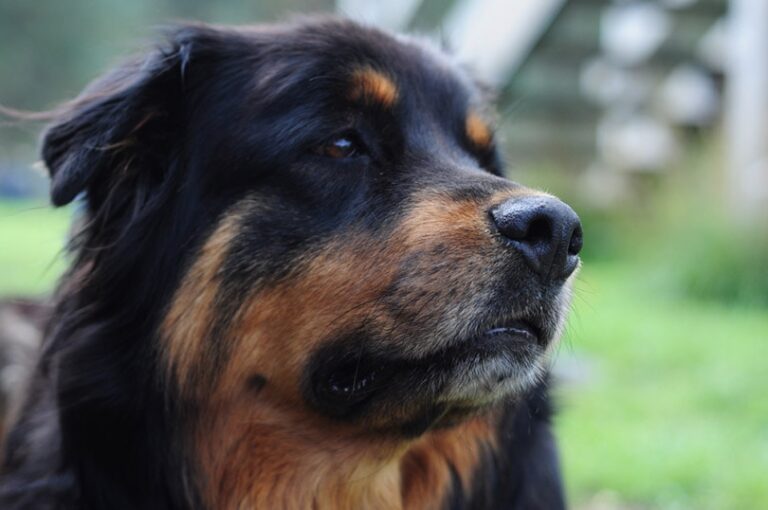
These 25 Dog Breeds Are Prone to Tummy Troubles: A Vet‘s Guide to Sensitive Stomachs

As a veterinarian and lifelong dog lover, I know firsthand the worry and frustration that comes with caring for a pup with a persnickety digestive system. If it seems like your furry friend is always battling bouts of vomiting, diarrhea, or gas, despite your best efforts, know that you‘re not alone. In fact, an estimated 10-15% of all dogs suffer from a chronic sensitive stomach or inflammatory bowel disease.[^1]
While any dog can develop digestive issues, certain breeds have a reputation for touchy tummies. If you own one of these 25 dogs, understanding their unique gut health needs can help you keep them happy and comfortable.
The 25 Dog Breeds Most Prone to Sensitive Stomachs
- German Shepherd
- Yorkshire Terrier
- Shih Tzu
- Great Dane
- Labrador Retriever
- Scottish Terrier
- Boxer
- Irish Setter
- Miniature Schnauzer
- Chinese Shar-Pei
- Basenji
- Wheaten Terrier
- Lhasa Apso
- Poodle (all sizes)
- Golden Retriever
- Collie
- Weimaraner
- Akita
- Doberman Pinscher
- Basset Hound
- Rottweiler
- Bernese Mountain Dog
- Cavalier King Charles Spaniel
- French Bulldog
- Siberian Husky
So what makes these particular pooches so prone to GI problems? Let‘s take a closer look.
Common Causes of Sensitive Stomachs
There are many potential underlying causes behind chronic digestive upset in dogs, including:
-
Food allergies and intolerances: True food allergies, which involve an immune response to certain proteins, affect an estimated 1-2% of dogs.[^2] But many more dogs have food intolerances or sensitivities to ingredients like beef, chicken, dairy, wheat, soy, and artificial additives. Breeds prone to allergies, like Retrievers, German Shepherds, Westies, and Wheaten Terriers, may have a genetic predisposition to developing food sensitivities.[^3]
-
Inflammatory bowel disease (IBD): IBD is an umbrella term for several chronic gut disorders characterized by inflammation of the intestinal lining. Certain breeds, like the Basenji and Wheaten Terrier, inherit a severe form of IBD called immunoproliferative enteropathy.[^4] Boxers, French Bulldogs, and Shar-Peis also have high rates of IBD.[^5] The exact cause is unknown, but genetics, gut bacteria imbalances, and food allergies likely play a role.
-
Exocrine pancreatic insufficiency (EPI): In EPI, the pancreas doesn‘t produce enough digestive enzymes, leading to malnutrition and foul-smelling diarrhea. German Shepherds and Rough Collies have a known inherited predisposition to EPI.[^6]
-
Small intestinal bacterial overgrowth (SIBO): Normally harmless gut bacteria can overrun the small intestine, interfering with digestion and causing gas, bloating, and diarrhea. German Shepherds may be genetically prone to developing SIBO.[^7]
-
Parasites: Intestinal worms, protozoa like giardia, and other gut invaders can wreak havoc on the digestive tract, especially in young puppies. Regular deworming based on lifestyle risk factors is essential.
-
Bloat: Deep-chested breeds like Great Danes, Weimaraners, Standard Poodles, and German Shepherds are anatomically predisposed to bloat, a life-threatening condition where the stomach fills with air and twists. Bloat requires emergency surgery and can be fatal. According to one study, over 20% of Great Danes will experience bloat in their lifetime.[^8]
Breed-Specific Issues
In addition to these general causes, some breeds inherit unique gastrointestinal conditions:
-
Hemorrhagic gastroenteritis (HGE): HGE causes sudden, severe bloody diarrhea and can lead to dehydration and shock. According to one large study, small-breed dogs like Miniature Schnauzers, Shih Tzus, and Yorkshire Terriers had the highest rates of HGE.[^9]
-
Pyloric stenosis: Brachycephalic (flat-faced) breeds like Shih Tzus, Lhasa Apsos, and Bulldogs can inherit an abnormally narrow pylorus, the valve between the stomach and small intestine. This blocks outflow from the stomach, causing chronic vomiting.[^10]
-
Protein-losing enteropathy (PLE): PLE is a severe complication of IBD where inflammation allows protein to leak from the intestines. It frequently affects Wheaten Terriers, Basenjis, and Yorkshire Terriers.[^4]
Signs of a Sensitive Stomach
So how do you know if your dog falls into the "sensitive stomach" category? Watch for these red flags:
- Vomiting or regurgitation
- Diarrhea
- Poor appetite or picky eating
- Weight loss
- Excessive gas
- Abdominal discomfort
- Stomach noises
- Eating grass or non-food items
- Lethargy
An occasional bout of mild GI upset often resolves on its own, but chronic or severe symptoms should always be evaluated by your vet. Sometimes, a sensitive stomach is a sign of a more serious issue.
When It‘s More Than Just a Sensitive Stomach
I treated a Yorkshire Terrier named Bailey who had been battling intermittent vomiting and diarrhea for months. His owner had tried every sensitive stomach diet on the market with no luck.
Further testing revealed that Bailey‘s "sensitive stomach" was actually intestinal lymphoma. This sneaky cancer can mimic the signs of IBD. After starting chemo, Bailey‘s symptoms improved dramatically.
Other potentially serious conditions that can cause sensitive stomach symptoms include:
- Intestinal parasites
- Foreign body obstruction
- Liver or kidney disease
- Pancreatitis
- Addison‘s disease
- Gastric ulcers
- Viral or bacterial infection
If your sensitive tummy dog isn‘t responding to diet and lifestyle changes, it‘s important to dig deeper with diagnostics like labwork, imaging, and endoscopy.
Caring for a Sensitive Stomach Dog
When I adopted my German Shepherd, Duke, I knew his breed was prone to digestive issues. But I wasn‘t quite prepared for the reality of living with a chronically gassy, diarrhea-prone dog.
Through trial and error (and lots of vet visits), I learned what works for managing Duke‘s touchy tummy:
-
Hypoallergenic diet: Duke does best on a hydrolyzed prescription diet with no intact proteins his immune system can react to. Limited ingredient diets made with novel proteins like rabbit, venison, or duck are another option for dogs with food sensitivities.
-
Probiotics: A high-quality probiotic supplement helps restore good gut bacteria wiped out by digestive upset. I like Purina‘s Fortiflora and Nutramax‘s Proviable.
-
Slow feeder bowl: Duke is a notorious gulper, which increases his risk of bloat. A slow feeder bowl forces him to eat at a safer pace.
-
Small, frequent meals: Smaller, more frequent meals are easier on sensitive stomachs than one or two big meals. I feed Duke three measured meals a day.
-
No table scraps: As tempting as it is to share my dinner with those puppy dog eyes, fatty human foods are off-limits for Duke‘s delicate digestive system. I stick to low-fat, easily digestible treats.
-
Plenty of fiber: Fiber in the form of canned pumpkin or bran cereal can help firm up loose stools and keep things moving smoothly.
-
Stress management: Stress can worsen GI inflammation.[^11] I make sure Duke gets plenty of exercise and enrichment to keep his mind and body happy.
If you‘re struggling to get your sensitive pup‘s gut in check, ask your vet about creating a personalized care plan.
The Future of Sensitive Stomach Treatment?
As researchers learn more about the complex world of the gut microbiome, new treatments for stubborn digestive issues are emerging.
One promising option is fecal microbiota transplantation (FMT). FMT involves transferring stool from a healthy donor pet into the gut of the sick patient via enema. The goal is to restore a balanced microbiome.
A few small studies have shown that FMT can be safe and effective for treating inflammatory bowel disease[^12] and parvovirus[^13] in dogs. With more research, microbiome modulation may become a game-changer for sensitive stomach dogs.
The Bottom Line
As someone who‘s been in the trenches caring for a sensitive stomach dog, I know how frustrating and worrying it can be. But with patience, persistence, and a good working relationship with your vet, it is possible to get even the touchiest tummy under control.
If your dog is one of the many breeds predisposed to digestive difficulties, being proactive about gut health can make all the difference. By understanding your dog‘s unique needs and staying alert for red flags, you can help them live their happiest, healthiest life.
And take it from Duke – all those bland diets and boring vet visits are worth it for more belly rubs and fewer belly aches!
[^1]: Jergens, Albert E. "Inflammatory bowel disease in veterinary medicine." Frontiers in bioscience (Elite edition) vol. 4 (2012): 1404-19. doi:10.2741/e470[^2]: Mueller, R S et al. "Critically appraised topic on adverse food reactions of companion animals (2): common food allergen sources in dogs and cats." BMC veterinary research vol. 12 9. 12 Jan. 2016, doi:10.1186/s12917-016-0633-8
[^3]: Verlinden, A et al. "Food allergy in dogs and cats: a review." Critical reviews in food science and nutrition vol. 46,3 (2006): 259-73. doi:10.1080/10408390591001117
[^4]: Simpson, Kenneth W et al. "Protein-losing enteropathy in Yorkshire Terriers and Wheaten Terriers: a retrospective study." Journal of veterinary internal medicine vol. 6,6 (1992): 360-7. doi:10.1111/j.1939-1676.1992.tb00367.x
[^5]: Ohno, Koichi. "Inflammatory Bowel Disease in Dogs and Cats." Veterinary Clinics of North America: Small Animal Practice vol. 51, 1 (2021): 147-162. doi:10.1016/j.cvsm.2020.09.006
[^6]: Westermarck, Elias et al. "Exocrine pancreatic insufficiency in dogs and cats: an update." Veterinary Clinics of North America: Small Animal Practice vol. 51,1 (2021): 163-177. doi:10.1016/j.cvsm.2020.09.007
[^7]: Bresciani, Francesca et al. "An Overview on Small Intestinal Bacterial Overgrowth in Dogs: What‘s New?" Veterinary medicine (Auckland, N.Z.) vol. 11 51-60. 22 Apr. 2020, doi:10.2147/VMRR.S239820
[^8]: Glickman, L T et al. "Incidence of and breed-related risk factors for gastric dilatation-volvulus in dogs." Journal of the American Veterinary Medical Association vol. 216,1 (2000): 40-5. doi:10.2460/javma.2000.216.40
[^9]: Mortier, Frederik et al. "Acute hemorrhagic diarrhea syndrome in dogs: 108 cases." Veterinary journal (1997) vol. 230 (2017): 7-12. doi:10.1016/j.tvjl.2017.01.004
[^10]: Clark, S L, and P A Erwin. "Pyloric stenosis with hypertrophic and non-hypertrophic gastropathy in the dog and cat. A report of eight cases." The British veterinary journal vol. 129,11 (1973): 564-73. doi:10.1016/s0007-1935(17)36590-6
[^11]: Salavati, S et al. "Environmental stress and gut microbiota in domestic animals." Current Opinion in Animal Science vol. 47 (2022): 100577. https://doi.org/10.1016/j.coas.2022.100577
[^12]: Chaitman, Jennifer et al. "Fecal Microbial and Metabolic Analysis in Dogs With Acute Diarrhea Treated With Either Fecal Microbial Transplantation or Oral Metronidazole." Frontiers in Veterinary Science vol. 7 192 (2020): doi:10.3389/fvets.2020.00192
[^13]: Pereira, Goncalo Nuno Dealmeida et al. "Fecal microbiota transplantation in puppies with canine parvovirus infection." Journal of veterinary internal medicine vol. 32,2 (2018): 707-711. doi:10.1111/jvim.15072