Toy Poodle Dog Breed: Info, Pictures, Traits & Care Guide

The Adorable and Intelligent Toy Poodle: Your Guide to this Compact Companion
Introduction
When it comes to small dog breeds, few are as popular or as instantly recognizable as the toy poodle. With their fluffy curls, bright eyes, and compact size, toy poodles have won the hearts of dog lovers around the world. But there‘s more to these little dogs than just their cute appearance. Toy poodles are also known for their keen intelligence, playful personality, and loving nature. Whether you‘re already the proud owner of a toy poodle or considering adding one to your family, this comprehensive guide will tell you everything you need to know about these wonderful dogs.
History of the Toy Poodle
The toy poodle is the smallest variety of the poodle breed, which also includes the standard poodle and miniature poodle. Poodles originated in Germany, where they were bred as water retrieving dogs. Their dense, curly coat protected them from cold water during hunting trips. Over time, poodles became popular as companion dogs and circus performers due to their intelligence and trainability.
The toy poodle variety was developed in the early 20th century by selectively breeding the smallest poodles. They were immediately a hit among dog lovers looking for a tiny, portable companion that could adapt to apartment living. Today, toy poodles consistently rank as one of the most popular small dog breeds in the United States and many other countries.
Physical Characteristics
Toy poodles stand under 10 inches tall at the shoulder and typically weigh between 4-6 pounds, although some may be slightly larger or smaller. They have a square-shaped body that is approximately the same length as their height. Their most striking feature is their curly, dense coat which can come in a variety of solid colors including white, black, cream, apricot, red, silver, brown, and parti-colors.
Toy poodles have a refined, almost human-like expression with dark, oval-shaped eyes and a long, tapering muzzle. Their ears are long and hang close to the head. Like all poodles, toy poodles are considered a non-shedding, hypoallergenic breed, although no dog is 100% hypoallergenic. Regular professional grooming is a must to maintain their curly coat and prevent matting.
Temperament and Personality
Don‘t let their small size fool you – toy poodles have big personalities! These little dogs are known for being highly intelligent, playful, energetic, and affectionate with their families. They crave human companionship and will follow their owners from room to room, earning them a reputation as "velcro dogs." Toy poodles are generally friendly towards strangers and get along well with other dogs and pets when socialized from a young age.
As with many small breeds, toy poodles can develop "small dog syndrome" if not properly trained. They may become suspicious of strangers, yappy, or snappy if they believe they are the pack leader. Owners need to establish leadership through consistent training to prevent behavior issues. With their intelligence and desire to please, toy poodles respond very well to positive reinforcement training methods.
Intelligence and Trainability
Poodles are considered the second most intelligent dog breed after the border collie. This holds true for toy poodles as well. They are quick learners that thrive on mental stimulation and can pick up new commands with ease. Toy poodles excel in obedience, agility, and even advanced tricks. Many toy poodles work as therapy dogs, visiting hospitals and nursing homes to provide comfort and joy to patients.
However, their intelligence means toy poodles can also become easily bored and may develop destructive habits if not provided enough exercise and mental enrichment. Training sessions should be kept short and fun to hold their attention. Toy poodles also have a mischievous streak and may attempt to outwit their owners on occasion. A sense of humor goes a long way when living with these clever little dogs!
Exercise Needs
Despite their small size, toy poodles have moderate exercise needs and plenty of energy to zoom around the house or yard. Daily walks and playtime are a must to keep them physically and mentally stimulated. Most toy poodles need at least 30 minutes of exercise per day, broken up into a few short walks or play sessions.
Access to a securely fenced yard is ideal, but not a necessity for toy poodle ownership as they can get a lot of their exercise needs met indoors. Puzzle toys, mini agility courses, and games like hide-and-seek will exercise both their body and mind. Many toy poodles also enjoy participating in canine sports like obedience, rally, and even miniature obstacle courses designed for small breeds.
Grooming Requirements
Toy poodles are high maintenance when it comes to grooming. Their curly coat doesn‘t shed much but will continue to grow longer without regular clipping. Most owners opt to keep their toy poodle in a "puppy clip" which is a short, evenly trimmed style that‘s easier to maintain. Visits to a professional groomer every 4-6 weeks are recommended to keep the coat short and prevent matting.
In between professional groomings, toy poodles need regular brushing and combing at home, preferably a few times a week. A slicker brush and metal comb can be used to gently work through any tangles or mats starting at the skin. Toy poodles also need their nails trimmed regularly and their ears checked and cleaned to prevent infections. Dental care is important as well, with daily tooth brushing being ideal.
Health Concerns
Toy poodles are generally a healthy breed with a lifespan of 12-15 years or more. However, like all purebred dogs, they can be prone to certain inherited health conditions. Some of the most common health issues seen in toy poodles include:
-
Dental disease: Toy poodles are prone to dental issues like tooth decay, gum disease, and premature tooth loss due to their small mouths and crowded teeth. Regular dental care is a must.
-
Luxating patellas: The kneecap may slip out of place causing lameness and arthritis over time. Surgery may be required in severe cases.
-
Progressive retinal atrophy (PRA): A degenerative eye disorder that eventually leads to blindness.
-
Tracheal collapse: The trachea or "windpipe" becomes weak and collapses, causing coughing and difficulty breathing, especially in overweight dogs.
-
Von Willebrand‘s disease: A bleeding disorder that affects clotting ability. Dogs may have nosebleeds, prolonged bleeding after surgery, or bleeding in the GI tract.
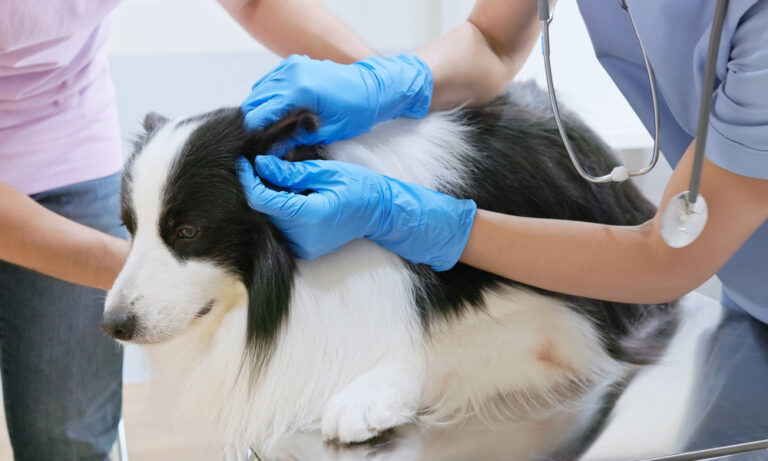
Finding a responsible breeder who health tests their dogs can reduce the risk of inheriting many of these conditions. Keeping toy poodles at a healthy weight, up to date on dental care, and getting regular check-ups can also help prevent or catch health problems early.
Toy Poodle Puppies
Toy poodle puppies are undeniably adorable with their fluffy coats, round eyes, and playful antics. However, they require a lot of attention, socialization, and training to develop into well-adjusted adult dogs. Toy poodle puppies can be fragile and may not be the best fit for families with very young children who may accidentally injure them.
Socialization is critical for toy poodle puppies and should begin as early as possible. Positive experiences with a variety of people, animals, and environments will help them grow into confident, friendly adult dogs. Enrolling in a puppy kindergarten class is a great way to start socialization and begin basic obedience training.
Housetraining can be a challenge with toy breeds, so patience and consistency are key. Toy poodle puppies have tiny bladders and will need to go out frequently. Crate training can help speed up the process and prevent accidents when you can‘t supervise your puppy directly.
Popularity and Uses
Toy poodles have been popular companion dogs for decades and their popularity shows no signs of slowing down. They are consistently ranked among the top 10 most popular dog breeds in the United States by the American Kennel Club.
In addition to being beloved pets, toy poodles also excel in various roles due to their intelligence, trainability, and loving nature. Some common uses for toy poodles include:
-
Therapy dogs: Toy poodles make excellent therapy dogs thanks to their affectionate, intuitive nature. They provide comfort to hospital patients, nursing home residents, and even stressed out college students.
-
Service dogs: Some toy poodles are trained as service dogs for individuals with disabilities, particularly hearing assistance dogs and medical alert dogs for conditions like diabetes and seizures.
-
Performance dogs: Toy poodles can be successful in dog sports like obedience, rally, and agility despite their small size. They are eager to please and quick learners.
-
Show dogs: Toy poodles are popular in the show ring and have a long history of success at high-profile dog shows like the Westminster Kennel Club show. Show poodles require extensive grooming and training.
Toy poodle mixes, sometimes called "designer dogs," have also exploded in popularity. Breeds like Yorkipoos (Yorkie/poodle cross), Maltipoos (Maltese/poodle cross), and Shih-poos (Shih Tzu/poodle cross) are in high demand among dog lovers wanting a small, low-shedding pup with hybrid vigor.
Living with a Toy Poodle
Toy poodles can adapt well to many different living situations and make great companion dogs for singles, senior citizens, and families with older children alike. They are small enough to be portable and suitable for apartment living, yet still sturdy enough to enjoy long walks and outdoor adventures.
Some key tips for living harmoniously with a toy poodle include:
- Provide plenty of companionship. Toy poodles crave attention and interaction with their owners.
- Maintain a consistent grooming and dental care routine to keep their coat and teeth healthy.
- Give them daily exercise through walks, playtime, and mental enrichment activities.
- Regularly work on training and socialization, even into adulthood, to prevent behavior issues.
Famous toy poodles in pop culture include Chloe from the Secret Life of Pets, Rufus from the Legally Blonde movies, and Georgette from the Oliver & Company cartoon. Many celebrities have also been devoted toy poodle owners including Elizabeth Taylor, Katharine Hepburn, Marilyn Monroe, and Elvis Presley.
Final Thoughts
Toy poodles may be small in size, but they have huge hearts and even bigger personalities. For the right owner, they can make incredibly loving, devoted, and entertaining companions that will always keep you on your toes. If you‘re looking for a portable yet spunky pup that will be your constant shadow, a toy poodle may be the perfect breed for you. Just be prepared for some serious grooming!
As with any dog breed, it‘s important to do thorough research to ensure a toy poodle fits your lifestyle before bringing one home. If you can meet a toy poodle‘s needs for companionship, exercise, training, and grooming, you‘ll be rewarded with an affectionate, intelligent, and downright charming canine companion for many years to come.