
Understanding Intervertebral Disc Disease (IVDD) in Dachshunds: A Comprehensive Guide
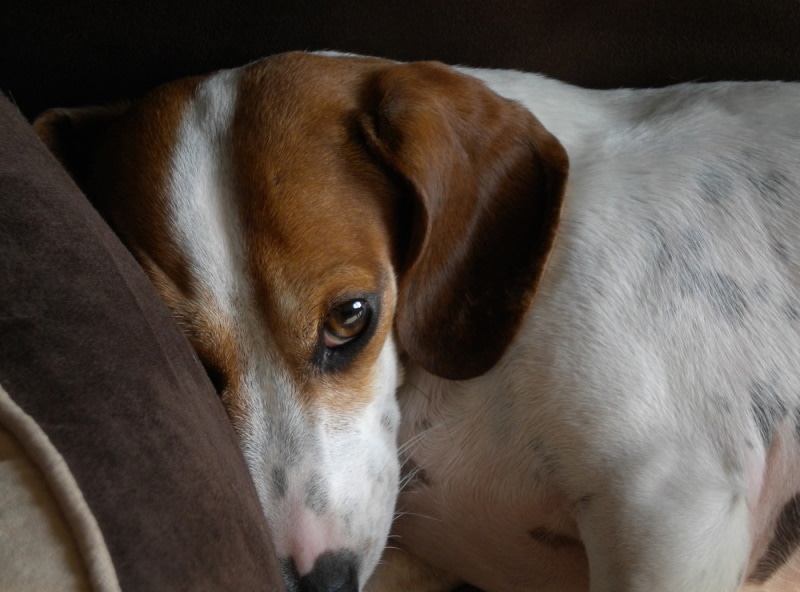
As a Dachshund owner or enthusiast, you may have heard about the high prevalence of back problems in this beloved breed. Intervertebral disc disease (IVDD) is a serious condition that affects many Dachshunds, causing pain, weakness, and even paralysis in severe cases. In this comprehensive guide, we‘ll dive deep into the causes, signs, treatment options, and prevention strategies for IVDD in Dachshunds, empowering you with the knowledge to help your furry friend lead a happy and healthy life.
What is Intervertebral Disc Disease (IVDD)?
To understand IVDD, let‘s first take a closer look at the anatomy of your Dachshund‘s spine. The spine consists of a series of small bones called vertebrae, which are connected by flexible intervertebral discs. These discs act as shock absorbers and allow the spine to bend and twist. Each disc has a soft, jelly-like center (nucleus pulposus) surrounded by a tough, fibrous outer layer (annulus fibrosus).
In Dachshunds with IVDD, the intervertebral discs degenerate or weaken over time, causing the nucleus pulposus to bulge or rupture through the annulus fibrosus. This herniated disc material can press on the spinal cord or nerve roots, leading to inflammation, pain, and neurological dysfunction.
Types and Causes of IVDD in Dachshunds
There are two main types of IVDD that affect Dachshunds:
-
Type I IVDD (Hansen Type I): This is the most common type in Dachshunds and other chondrodysplastic breeds. It is characterized by a sudden herniation of the nucleus pulposus due to a genetically predisposed degeneration of the disc. Type I IVDD often occurs in young to middle-aged Dachshunds and can cause acute, severe signs.
-
Type II IVDD (Hansen Type II): This type is less common in Dachshunds and is typically caused by a gradual protrusion of the annulus fibrosus due to chronic disc degeneration. Type II IVDD is more often seen in older Dachshunds and may result in a slower progression of signs.
While genetics play a significant role in the development of IVDD in Dachshunds, other factors can contribute to the disease, such as obesity, lack of exercise, and high-impact activities like jumping on and off furniture.
Signs and Symptoms of IVDD in Dachshunds
The signs of IVDD in Dachshunds can vary depending on the location and severity of the disc herniation. Some common signs to watch for include:
- Back pain or sensitivity to touch
- Reluctance to move or walk
- Weakness or incoordination (ataxia) in the legs
- Dragging of the hind legs or complete paralysis
- Loss of bladder or bowel control
- Crying out in pain or yelping when moved or touched
If you notice any of these signs in your Dachshund, it‘s crucial to seek veterinary care immediately. Early diagnosis and treatment can significantly improve your dog‘s chances of recovery and prevent permanent damage to the spinal cord.
Diagnosing IVDD in Dachshunds
When you bring your Dachshund to the veterinarian with suspected IVDD, they will perform a thorough physical examination and neurological assessment. This may include testing your dog‘s reflexes, assessing their ability to feel pain in their legs, and evaluating their gait and posture.
To confirm the diagnosis and determine the location and severity of the disc herniation, your veterinarian may recommend advanced imaging techniques such as:
-
Magnetic Resonance Imaging (MRI): This is the gold standard for diagnosing IVDD, as it provides detailed images of the spinal cord and intervertebral discs.
-
Computed Tomography (CT): While not as detailed as an MRI, a CT scan can still help visualize the spinal cord and identify areas of compression.
-
Myelography: This involves injecting a contrast dye into the spinal canal and taking x-rays to highlight any areas of compression.
Once the diagnosis is confirmed and the severity of the IVDD is determined, your veterinarian will discuss the best treatment options for your Dachshund.
Treatment Options for IVDD in Dachshunds
The treatment for IVDD in Dachshunds depends on the severity of the disease and the presence of neurological deficits. In general, there are two main approaches to treatment:
-
Conservative Management: For mild to moderate cases of IVDD, where the dog is still able to walk and feel their legs, conservative treatment may be recommended. This typically involves a combination of:
- Strict rest and confinement for 4-6 weeks to allow the disc to heal
- Pain medications to control discomfort
- Anti-inflammatory drugs to reduce swelling and inflammation
- Muscle relaxants to help relieve muscle spasms
- Physical therapy and rehabilitation to maintain muscle strength and prevent complications
-
Surgical Intervention: For severe cases of IVDD, where the dog is unable to walk or has lost deep pain sensation in their legs, surgical treatment is often necessary. The most common surgical procedures for IVDD in Dachshunds are:
- Hemilaminectomy: This involves removing a portion of the vertebral bone to access and remove the herniated disc material, relieving pressure on the spinal cord.
- Ventral Slot: This procedure is used for disc herniations in the neck region and involves creating a small window in the vertebral body to remove the herniated disc material.
After surgery, your Dachshund will require intensive nursing care, pain management, and rehabilitation to regain strength and function in their legs. The recovery process can take several weeks to months, and some dogs may require ongoing supportive care, such as assistive devices or bladder management.
Preventing IVDD in Dachshunds
While it‘s not always possible to prevent IVDD in Dachshunds due to their genetic predisposition, there are several steps you can take to reduce your dog‘s risk and promote spinal health:
-
Maintain a healthy weight: Obesity puts extra strain on your Dachshund‘s spine, so keep them at a lean, healthy weight through a balanced diet and regular exercise.
-
Use ramps or stairs: Avoid letting your Dachshund jump on and off furniture, as this can cause sudden stress on their intervertebral discs. Instead, provide ramps or stairs for access to beds or couches.
-
Avoid high-impact activities: Discourage your Dachshund from running up and down stairs, jumping, or engaging in rough play that could lead to spinal trauma.
-
Provide a supportive bed: Choose a firm, orthopedic bed that supports your Dachshund‘s spine and joints, especially as they age.
-
Consider a back brace: In some cases, a specially designed back brace can help support your Dachshund‘s spine and reduce the risk of disc herniation.
-
Regular check-ups: Schedule regular veterinary check-ups to monitor your Dachshund‘s spinal health and address any early signs of IVDD.
By implementing these preventive measures and staying vigilant for signs of IVDD, you can help your Dachshund maintain a healthy spine and enjoy a better quality of life.
The Road to Recovery: Rehabilitation and Supportive Care
For Dachshunds recovering from IVDD, whether through conservative management or surgical intervention, rehabilitation and supportive care are essential to optimize their recovery and long-term quality of life. Some key components of a comprehensive rehabilitation plan include:
-
Physical therapy: Exercises to improve strength, flexibility, and balance, such as passive range of motion, stretching, and low-impact activities like swimming or underwater treadmill therapy.
-
Hydrotherapy: The buoyancy and resistance of water can help Dachshunds regain muscle strength and coordination while reducing stress on their joints and spine.
-
Assistive devices: Wheelchairs, harnesses, or slings can help Dachshunds with mobility issues maintain their independence and prevent further injury.
-
Bladder and bowel management: Some Dachshunds with IVDD may experience urinary or fecal incontinence, requiring regular bladder expression, diapering, or other supportive care measures.
-
Pain management: Ongoing pain control through medications, acupuncture, or other modalities can help keep your Dachshund comfortable and promote healing.
-
Adaptive home environment: Modifying your home with non-slip surfaces, ramps, or raised food and water bowls can make it easier for your Dachshund to navigate and maintain their daily routines.
Working closely with your veterinarian and a rehabilitation specialist can help ensure that your Dachshund receives the best possible care and support throughout their recovery journey.
Prognosis and Quality of Life for Dachshunds with IVDD
The prognosis for Dachshunds with IVDD depends on several factors, including the severity of the disc herniation, the presence of deep pain sensation, and the promptness of treatment. In general, dogs who receive early diagnosis and appropriate treatment have a better chance of recovery and maintaining a good quality of life.
Dachshunds with mild to moderate IVDD who retain the ability to walk and feel their legs often respond well to conservative management and can return to near-normal function with proper care and rehabilitation. Those who require surgery may have a more challenging recovery process, but many can still regain significant mobility and enjoy a good quality of life with ongoing support and care.
Unfortunately, some Dachshunds with severe IVDD may experience permanent paralysis or loss of bladder and bowel control despite treatment. In these cases, dedicated owners can still provide a loving and fulfilling life for their dogs through the use of assistive devices, regular nursing care, and a positive, adaptable attitude.
The Future of IVDD Research and Management in Dachshunds
As our understanding of IVDD in Dachshunds continues to grow, researchers and veterinarians are working to develop new and improved strategies for prevention, diagnosis, and treatment. Some exciting areas of ongoing research include:
-
Genetic studies to identify specific genes or markers associated with IVDD in Dachshunds, which could lead to the development of screening tests or targeted breeding programs.
-
Advanced imaging techniques, such as diffusion tensor imaging (DTI) and functional MRI (fMRI), which could provide more detailed information about spinal cord injury and recovery in Dachshunds with IVDD.
-
Stem cell therapy and other regenerative medicine approaches that could promote healing and regeneration of damaged spinal cord tissue.
-
Novel rehabilitation techniques and assistive technologies to optimize recovery and quality of life for Dachshunds with IVDD.
By staying informed about the latest research and advancements in IVDD management, Dachshund owners and enthusiasts can continue to provide the best possible care for their beloved companions and contribute to a brighter future for this resilient and cherished breed.
Conclusion
Intervertebral disc disease (IVDD) is a serious and prevalent condition in Dachshunds that requires prompt attention and care. By understanding the causes, signs, and treatment options for IVDD, as well as implementing preventive measures and providing comprehensive rehabilitation and supportive care, Dachshund owners can help their furry friends maintain a high quality of life and overcome the challenges posed by this disease.
Remember, your love, dedication, and commitment to your Dachshund‘s well-being are the most important factors in their journey with IVDD. With the right knowledge, resources, and support, you and your Dachshund can navigate this difficult condition together and cherish the special bond you share for years to come.



%20in%20Dachshunds:%20A%20Comprehensive%20Guide)