Can Dogs Be Allergic to Chicken? A Veterinarian‘s In-Depth Look
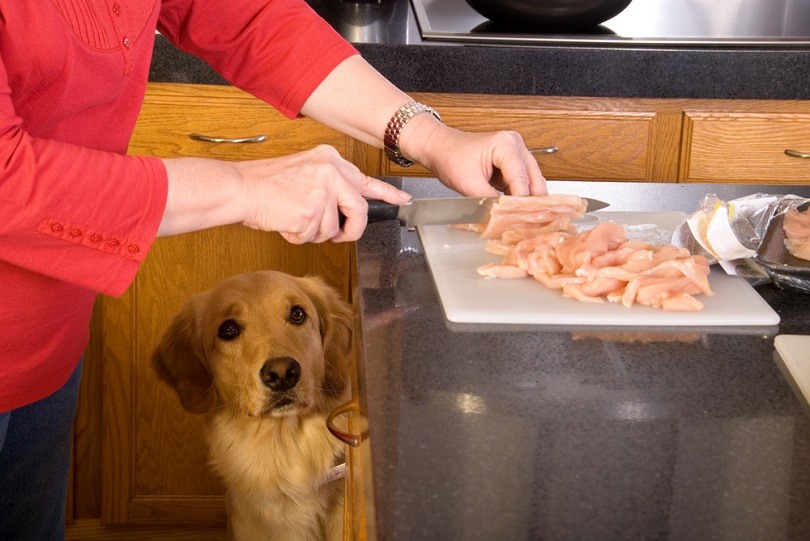
As a veterinarian and lifelong dog lover, I‘ve seen firsthand how distressing and frustrating food allergies can be for both dogs and their dedicated owners. And time and time again, chicken tops the list of culprit ingredients. It‘s a dietary staple for many dogs, found in countless pet food formulas, treats, and even medications. But for some unlucky pups, chicken is the source of unrelenting itchiness, inflammation, and digestive distress.
In this comprehensive guide, I‘ll delve into the complexities of chicken allergies in dogs. We‘ll look at the latest research on prevalence, the signs and symptoms to watch for, the diagnostic process, and the management strategies that can help your furry friend live a comfortable, itch-free life. As a vet, my mission is to empower you with the knowledge and tools to be the best advocate for your dog‘s health and wellbeing. So let‘s dive in and explore this common but often misunderstood canine health issue.
How Common Are Chicken Allergies in Dogs?
Food allergies are a significant concern in the canine population, with recent studies suggesting they may affect up to 20% of dogs[^1]. Among these allergic dogs, chicken consistently ranks as one of the most frequent triggers. A 2016 retrospective study of 278 dogs with confirmed food allergies found that chicken was the responsible allergen in 17.6% of cases, second only to beef[^2].
Here‘s a table summarizing the most common food allergens identified in this study[^2]:
| Food Allergen | Percentage of Dogs Affected |
|---|---|
| Beef | 34% |
| Chicken | 17.6% |
| Dairy | 17.3% |
| Wheat | 13.3% |
| Lamb | 6.5% |
| Soy | 4.3% |
| Corn | 4.0% |
| Egg | 2.5% |
It‘s important to note that getting a precise percentage on chicken allergies is challenging. Allergies can be difficult to definitively diagnose, and many dogs are allergic to multiple ingredients[^3]. However, the data consistently points to chicken being one of the top allergens in the canine world.
The Immunology Behind Food Allergies
To understand why chicken (or any food) can trigger an allergic response, we need to delve into some immunology. An allergy develops when the immune system misidentifies a normally harmless substance (like a protein in chicken) as a threat[^4]. This triggers an inflammatory response that can manifest in the skin, ears, and gastrointestinal tract.
The gastrointestinal tract plays a critical role in this process. In a healthy gut, the intestinal wall serves as a barrier, carefully controlling what substances are absorbed into the body. However, in some dogs, this barrier function is compromised, allowing larger protein molecules to pass through and interact with the immune system[^5]. This "leaky gut" phenomenon is thought to contribute to the development of food allergies.
The gut microbiome – the vast community of microorganisms living in the digestive tract – is also believed to play a role. Imbalances in the types of bacteria present have been linked to increased risk of allergic diseases[^6]. This is an area of active research, and we‘re still learning about the complex interplay between diet, the microbiome, and allergies.
Diagnosing a Chicken Allergy: The Elimination Diet Trial
The gold standard for diagnosing a food allergy in dogs is an elimination diet trial. This involves feeding a dog a very limited ingredient diet or hydrolyzed protein diet that contains no suspected allergens (including chicken) for at least 8-12 weeks[^7].
During the trial, all other food items, including treats and flavored medications, must be strictly avoided. If the dog‘s symptoms resolve during the trial, a food allergy is likely. To confirm the diagnosis, the original diet is reintroduced to see if symptoms return[^7].
Hydrolyzed protein diets can be particularly useful in these trials. In these diets, the protein molecules are broken down into tiny fragments that are less likely to trigger an allergic reaction[^8]. Many veterinary therapeutic diet lines offer hydrolyzed options specifically formulated for dogs with food allergies.
While blood and skin allergy tests are available, they are less reliable for diagnosing food allergies compared to elimination trials[^9]. These tests can help identify potential allergens to investigate but should not be solely relied upon for diagnosis.
Managing a Chicken Allergy: Avoidance and Alternatives
Once a chicken allergy is confirmed, the mainstay of treatment is strict avoidance of chicken in the diet. This requires careful label reading, as chicken can appear under various names like "chicken meal," "chicken by-product," or "chicken fat"[^10].
Fortunately, there are many alternative protein sources that can be used in diets for chicken-allergic dogs. Some options include:
- Beef
- Fish (salmon, whitefish, etc.)
- Pork
- Turkey
- Lamb
- Duck
- Venison
- Rabbit
- Kangaroo
Novel protein diets, which use a single protein source that the dog hasn‘t been exposed to before, can be particularly helpful[^10]. Hydrolyzed protein diets are another excellent option, as the proteins are pre-digested into small, less allergenic pieces[^8].
Your veterinarian can help you choose a diet that provides complete and balanced nutrition tailored to your dog‘s individual needs. They may recommend a therapeutic diet from a veterinary line or guide you in selecting an appropriate over-the-counter food.
It‘s crucial to remember that even trace amounts of chicken can trigger a reaction in an allergic dog. Cross-contamination is a real concern, especially in multi-dog households where not all dogs require a chicken-free diet. Separate food storage, preparation areas, and even separate plates and utensils are recommended to prevent accidental exposure[^10].
The Emotional Toll of Food Allergies
Dealing with a dog‘s food allergies can be an emotional rollercoaster for dedicated owners. Watching your furry family member suffer from chronic itchiness and discomfort is heartbreaking. The trial-and-error process of finding a diet that works can be frustrating and expensive. And the constant vigilance required to avoid triggering ingredients can be exhausting.
As a veterinarian, I‘ve seen the toll this takes on owners. I‘ve had clients break down in tears in the exam room, feeling helpless and guilty that they can‘t make their dog‘s misery go away. I‘ve seen the financial strain of constantly buying expensive specialty diets and medications.
But I‘ve also seen the incredible resilience and dedication of dog lovers. I‘ve witnessed the joy and relief when we finally hit on a diet that resolves the dog‘s symptoms. I‘ve seen owners go to extraordinary lengths to prepare homemade diets or source novel protein options to give their dog the best quality of life.
To all the owners out there struggling with a dog‘s chicken allergy (or any food allergy), know that you are not alone. Know that your love, commitment, and advocacy for your dog‘s wellbeing are invaluable. And know that your veterinary team is here to support you every step of the way.
Frequently Asked Questions
Can a dog suddenly develop a chicken allergy?
Yes, dogs can develop allergies at any age, even if they‘ve previously tolerated chicken without issues[^3]. Allergies result from repeated exposure, so the more a dog consumes a particular food, the higher the chance of developing an allergy over time.
Are certain breeds more prone to chicken allergies?
Any breed can develop a chicken allergy, but some breeds do seem to have a higher incidence of allergies in general. These include French Bulldogs, German Shepherds, Labrador Retrievers, Golden Retrievers, and West Highland White Terriers[^11]. However, mixed breed dogs are also frequently affected.
Can a dog be allergic to chicken but not other poultry?
Yes, it‘s possible for a dog to be allergic to chicken but tolerate other poultry like turkey or duck[^12]. The specific protein triggers can vary. However, cross-reactivity is also possible, so close monitoring is necessary when trialing any new protein source.
Is there any way to prevent a chicken allergy from developing?
Currently, there are no proven strategies to prevent food allergies in dogs. Some research suggests that early exposure to a variety of foods may be protective, but more studies are needed[^13]. The best approach is to monitor your dog closely for any signs of an adverse food reaction and work with your vet to address issues promptly.
Are there any new treatments on the horizon for food allergies in dogs?
Researchers are exploring the potential for immunotherapy (desensitization) in treating food allergies in dogs. This would involve gradually exposing the dog to increasing amounts of the allergen over time to train the immune system to tolerate it[^14]. However, this approach is still in the early stages of investigation and is not yet widely available.
The Bottom Line
As a veterinarian and dog lover, my heart goes out to every owner navigating the challenges of a chicken allergy (or any food allergy) in their canine companion. It‘s a journey that requires patience, dedication, and a collaborative partnership with your veterinary team.
But I‘ve also seen the incredible resilience and adaptability of dogs. With careful dietary management and a committed owner by their side, dogs with chicken allergies can absolutely thrive. They can run, play, snuggle, and enjoy all the joys of doggy life – just without the chicken.
If you suspect your dog may have a chicken allergy, don‘t hesitate to reach out to your veterinarian. We‘re here to help you every step of the way, from diagnosis to diet selection to ongoing management. Together, we can help your furry friend live their best life, free from the distress and discomfort of allergies.
Remember, your love and advocacy are the most powerful medicines of all. Your dog is lucky to have you in their corner.
[^1]: Olivry T, Mueller RS. Critically appraised topic on adverse food reactions of companion animals (7): signalment and cutaneous manifestations of dogs and cats with adverse food reactions. BMC Vet Res. 2019;15(1):140. Published 2019 Apr 25. doi:10.1186/s12917-019-1880-2[^2]: Mueller RS, Olivry T, Prélaud P. Critically appraised topic on adverse food reactions of companion animals (2): common food allergen sources in dogs and cats. BMC Vet Res. 2016;12:9. Published 2016 Jan 12. doi:10.1186/s12917-016-0633-8
[^3]: Verlinden A, Hesta M, Millet S, Janssens GP. Food allergy in dogs and cats: a review. Crit Rev Food Sci Nutr. 2006;46(3):259-273. doi:10.1080/10408390591001117
[^4]: Gaschen FP, Merchant SR. Adverse food reactions in dogs and cats. Vet Clin North Am Small Anim Pract. 2011;41(2):361-379. doi:10.1016/j.cvsm.2011.02.005
[^5]: Veenhof EZ, Knol EF, Willemsen LE. The Involvement of Intestinal Barrier Function in Food Allergy. Front Immunol. 2022;13:861672. Published 2022 Mar 2. doi:10.3389/fimmu.2022.861672
[^6]: Craig JM. Food intolerance in dogs and cats. J Small Anim Pract. 2019;60(2):77-85. doi:10.1111/jsap.12959
[^7]: Mueller RS, Unterer S. Adverse food reactions: Pathogenesis, clinical signs, diagnosis and alternatives to elimination diets. Vet J. 2018;236:89-95. doi:10.1016/j.tvjl.2018.04.014
[^8]: Olivry T, Bexley J, Mougeot I. Extensive protein hydrolyzation is indispensable to prevent IgE-mediated poultry allergen recognition in dogs and cats. BMC Vet Res. 2017;13(1):251. Published 2017 Aug 30. doi:10.1186/s12917-017-1183-4
[^9]: Jeffers JG, Shanley KJ, Meyer EK. Diagnostic testing of dogs for food hypersensitivity. J Am Vet Med Assoc. 1991;198(2):245-250.
[^10]: Mandigers PJ, Biourge VC, German AJ. Efficacy of a commercial hydrolysate diet in eight dogs suffering from inflammatory bowel disease or adverse reaction to food. Tijdschr Diergeneeskd. 2010;135(18):668-672.
[^11]: Villaverde C, Horwitz D. The Role of Nutrition in the Treatment of Adverse Food Reactions. Vet Clin North Am Small Anim Pract. 2023;53(2):309-327. doi:10.1016/j.cvsm.2022.11.001
[^12]: Rostaher A, Fischer NM, Kümmerle-Fraune C, Couturier N, Jacquenet S, Favrot C. Determination of major allergens in the atopic dog and relevance in allergen-specific immunotherapy. Schweiz Arch Tierheilkd. 2019;161(4):219-227. doi:10.17236/sat00201
[^13]: Suto A, Ogawa T, Iikuni A, et al. Preventive effect of early introduction of food antigens on IgE-mediated food allergies in dogs: a pilot study. Vet Dermatol. 2022;33(1):76-e18. doi:10.1111/vde.13025
[^14]: Maina E, Cox E. Food allergen-specific oral immunotherapy for pets: translational implications for human food allergy. Curr Allergy Asthma Rep. 2022;22(4):65-72. doi:10.1007/s11882-022-01038-x