The Barbet: France‘s Fun-Loving, Rare Water Retriever

Are you looking for a devoted, good-humored dog that lives for splashing in the water and playing with their family? Meet the Barbet, a rare French breed with a rich history, charming shaggy coat, and irresistibly goofy personality.
As a lifelong dog lover and certified canine behavior consultant, I‘m always excited to introduce people to lesser-known breeds that could be their ideal match. And for active households seeking an affectionate, intelligent companion up for any adventure, the delightful Barbet definitely deserves a closer look.
The Barbet Through the Ages
With a lineage stretching back to at least medieval times, the Barbet is a true heritage breed. According to French records, these medium-sized water dogs have been assisting hunters since the 14th century, using their keen nose, boundless stamina, and swimming prowess to retrieve ducks and other waterfowl in marshes and wetlands.[^1]
The name "Barbet" comes from the French word "barbe," meaning beard, referring to the breed‘s distinctively whiskered face. Other historic nicknames like chien canne (reed dog), griffon d‘arrêt (wire-haired pointer), and bichon d‘eau (water lapdog) allude to their versatility as both working retriever and gentle companion.[^2]
Experts believe the Barbet is an ancestor to many modern water dog and spaniel breeds, including the Poodle, Portuguese Water Dog, American Water Spaniel, and more.[^3] But by the early 20th century, the Barbet population dwindled dangerously low. World wars and changing tastes in hunting dogs nearly pushed the breed to extinction.
In 1970, there were just 30 to 40 Barbets left worldwide.[^4] But thanks to the dedication of a handful of European breeders, this plucky breed slowly rebounded. Painstaking efforts to responsibly revive the Barbet culminated in 1987 with full recognition by the Société Centrale Canine, France‘s national kennel club.[^5]
Today, the population remains low but stable, with an estimated 2,000 to 3,000 Barbets worldwide as of 2023.[^6] The majority live in France, the Netherlands, Canada, and the United States. In the U.S., the Barbet moved from the AKC‘s Foundation Stock Service to the Miscellaneous Class in 2017 and gained full recognition as a member of the Sporting Group in 2020.[^7]
The Barbet Look
With their shaggy, weatherproof coats and bright, lively eyes, Barbets are sometimes compared to soft teddy bears come to life. Here‘s what you can expect in a Barbet:
Size and Build
Barbets are medium-sized, solidly-built dogs standing 19 to 24.5 inches tall at the shoulder and typically weighing 35 to 65 pounds, with males larger than females.[^8]
Developed to tirelessly swim and retrieve waterfowl, they have sturdy bones and muscular hindquarters that propel them through rough waters. Arched toes and thick webbing between the pads render their feet water-resistant. The tail is low-set and acts as a rudder in the water.[^9]
Coat and Colors
The Barbet‘s long, dense, wooly coat is their crowning glory and serves a practical purpose: insulating and protecting them in frigid waters. The coat is a single layer (no undercoat) of curls or waves that range from tight corkscrews to more relaxed, wavy locks. The hair covers the head, ears, and tail, sometimes obscuring the eyes if not neatly tied back.
Coat colors come in solid black, gray, brown, or fawn, sometimes with white markings on the chest, chin, and feet.[^10] The coat fades to lighter tones as the Barbet ages.
Despite their abundant hair, Barbets shed minimally, leading to their reputation as a "hypoallergenic" breed. No dog is truly 100% hypoallergenic, since allergens are carried in dander, saliva, and urine. But for allergy sufferers seeking a low-shedding sporting breed, Barbets are a great choice, on par with Poodles and Portuguese Water Dogs.[^11]
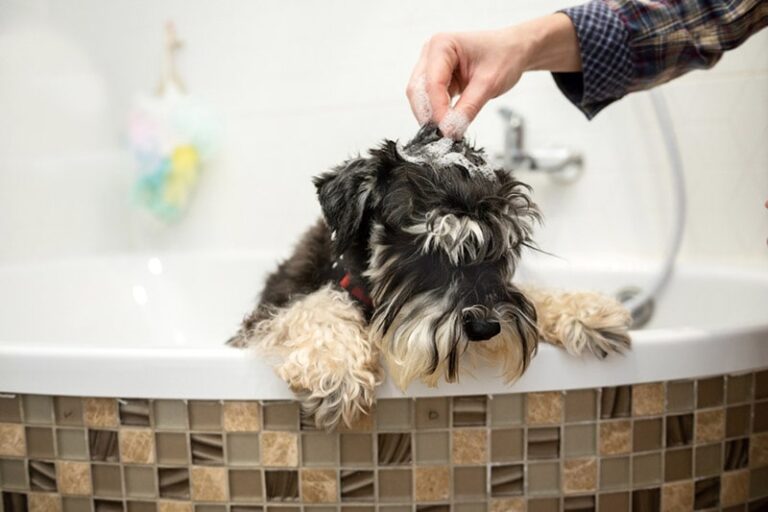
Grooming a Barbet is not for the faint of heart. Their fast-growing hair requires thorough brushing at least weekly, if not more often, to prevent the formation of mats and tangles. Many owners clip their Barbet‘s coat short every few months to simplify maintenance, but regular trims are a must to keep the hair around the eyes, ears, paws, and sanitary areas neat and healthy.[^12]
Barbet Personality and Temperament
It‘s hard not to smile at the sight of a Barbet, with their goofy grins and twinkling eyes that hint at an always-playful nature. They‘ve been described as the class clowns of the dog world, quick to entertain with silly antics and always seeking out fun and games.
At the same time, Barbets are deeply loyal and people-oriented, happiest at the center of family activities. They thrive on attention and affection, and bore easily without interaction and play. While they make alert watchdogs, suspicious of strangers, they warm up quickly with proper introductions.[^13]
Barbets retained their working drive and stamina, with impressive athleticism and intense focus in the field or on the agility course. But once the workday is done, they readily transition into cuddle mode, content to snuggle on the couch and soak up affection.
With their teddy bear looks and comedic personality, Barbets have a special rapport with children. Gentle, patient, and always up for a game, they make tireless playmates and nap partners. Of course, as with any medium-to-large breed, supervise playtime to prevent accidental knock-downs.[^14]
Training Your Barbet
Eager to please and perceptive to human emotions, Barbets respond brilliantly to force-free, reward-based training. They pick up quickly on what earns them praise and toys and food rewards.
The key is to keep sessions short, upbeat, and full of variety. Barbets bore easily with repetition and may invent their own mischief if training becomes monotonous.
Puppy kindergarten and ongoing socialization to new people, animals, and experiences creates a confident, well-adjusted Barbet. They particularly benefit from positive exposure to grooming from an early age to override any resistance to brushing and trimming.
Barbets make enthusiastic students in dog sports like obedience, agility, dock diving, barn hunt, and more. Training in scent work puts their powerful nose and work ethic to good use. Even if competition isn‘t your goal, teaching your Barbet tricks and games is a fun way to provide mental stimulation.
Exercise Needs
As a sporting breed developed for long days in the field, Barbets have impressive reserves of energy and stamina that require an outlet. Expect to provide at least an hour of vigorous exercise daily, and more is better.
Of course, Barbets love swimming above all else. If you have safe access to a pond, lake, beach, or pool, your Barbet will happily launch themselves into the water to chase toys, dig for underwater treasure, and paddle till exhausted.
On land, Barbets make tireless walking, running, and hiking companions. A post-activity brushing is advisable to detangle their coat and check for hitchhiking pests and debris. Puzzle toys, interactive feeders, and hide-and-seek games help meet their mental exercise needs.
Without ample exercise and human interaction, Barbets can default to nuisance behaviors like barking, chewing, and general destruction. A bored, underexercised, lonely Barbet is an unhappy Barbet, so plan to integrate them fully into an active lifestyle.
Barbet Health and Lifespan
With an average lifespan of 12 to 15 years, Barbets are a generally hardy breed. But as with any purebred dog, they have some genetic vulnerabilities that all potential owners should be aware of.
The most common health issues seen in Barbets include:[^15]
- Hip dysplasia
- Elbow dysplasia
- Hereditary eye disorders like progressive retinal atrophy (PRA) and cataracts
- Allergies and skin conditions
- Luxating patellas
- Ear infections
A responsible Barbet breeder will screen their breeding stock for hip, elbow, and eye issues with clearances from the Orthopedic Foundation for Animals (OFA) and Canine Eye Registration Foundation (CERF). They‘ll also be upfront about any health conditions present in the pedigree.
According to an analysis of the Barbet Health Database France covering data from 1990 to 2015, 10.7% of Barbets experienced hip dysplasia and 6% experienced elbow dysplasia.[^16] A 2022 study of 233 Dutch Barbets under 13 years old found the most prevalent issues were otitis externa (ear infections) at 17.6%, atopic dermatitis (skin allergies) at 10.7%, and patellar luxation at 9%.[^17]
Finding a Barbet Puppy
With their rarity and growing popularity, Barbet puppies can be hard to come by. Most U.S. breeders maintain waitlists of 6 to 12 months or longer. According to the Barbet Club of America, the average price for a puppy is $3,000 to $4,000 from a reputable breeder as of 2023.[^18]
Plan to do thorough homework before committing to a breeder. Look for one who conducts all recommended health clearances on their breeding stock, provides a written contract and health guarantee, and welcomes questions and ongoing support.
Avoid breeders who seem to always have puppies available, won‘t let you visit their facilities, or make outrageous claims about the breed. Beware of unusually low prices that could indicate a puppy mill or low-welfare situation.
Adopting an older Barbet is possible but challenging. Reach out to the Barbet Club of America‘s rescue coordinator to get on an alert list in case a dog comes into rescue. You may need to wait months or even years for the right match.
Living with a Barbet
Affectionate and eager to be near their people, Barbets integrate well into active households with lots of togetherness and outdoor fun on the agenda. They‘re adaptable to many living situations as long as their exercise and interaction needs are met.
Barbets are agreeable housemates, learning the rules quickly and aiming to please. Crate training is advisable to keep young Barbets out of mischief during times of independence. Once mature, many Barbets earn free roam of the house.
With their patient, gentle nature, Barbets usually get along swimmingly with children, though interactions should still be supervised. Barbets can adapt well to other dogs and even cats if socialized early. Animal housemates should be prepared for a certain degree of overexuberant play from this lively, physical breed.[^19]
While Barbets are often touted as "hypoallergenic," no dog is truly 100% non-allergenic. If someone in your household has allergies, spend time with adult Barbets before committing to assess reactivity. Regular brushing, bathing, and cleaning help minimize allergy-triggering dander in the home.[^20]
The Final Word
For dog lovers seeking an active, affectionate companion with a zest for life and a truly cheeky sense of humor, the Barbet is a rare gem worth serious consideration.
While still a breed for the dedicated hobbyist in the U.S., Barbet numbers are steadily growing as more people discover their manifold charms beyond the obvious shaggy coat and teddy bear looks. It‘s easy to fall in love with the Barbet‘s goofy antics, unwavering loyalty, and workmanlike drive to play and explore.
Of course, no breed is one-size-fits-all. Barbets have substantial grooming and exercise needs that require consistent time and attention. And while trainable and eager to please, they‘re no slouch in the smarts department and bore easily without variety and fun.
If you‘re up for an engaging, good-natured co-adventurer, especially one that adores the water, the Barbet could be your match made in heaven. Just plan to be patient in your search and do lots of advance research to find an ethical breeder. A well-bred, well-socialized Barbet is worth their weight in gold and sure to bring joy and laughter to your life.
[^1]: Barbet History[^2]: French Water Dog
[^3]: Barbet Breed Development
[^4]: Barbet Population
[^5]: FCI Barbet Standard
[^6]: Barbet FAQ
[^7]: AKC Barbet Breed Recognition
[^8]: Barbet Breed Standard
[^9]: Barbet Anatomy
[^10]: About the Barbet
[^11]: ‘Hypoallergenic‘ Dog Breeds
[^12]: Barbet Grooming
[^13]: Barbet Temperament
[^14]: Barbet Personality
[^15]: Barbet Health
[^16]: French Barbet Health
[^17]: Dutch Barbet Health Survey
[^18]: Getting a Barbet
[^19]: Living with Barbets
[^20]: Dog Allergies