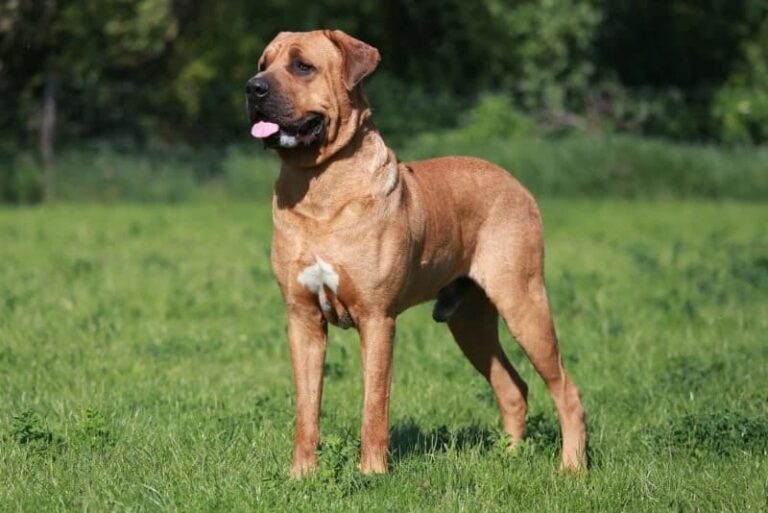
Westphalian Dachsbracke Dog Breed: Info, Pictures, Care & More!
The Westphalian Dachsbracke: An Energetic and Fearless Hunting Companion
Are you looking for an intelligent, active dog breed with a rich history as a hunting companion? Meet the Westphalian dachsbracke – a rare breed that originated in the Westphalia region of Germany in the 1800s. With their short legs, long bodies, and bold personalities packed into a 30-35 lb frame, these spunky dogs are not for the faint of heart. But for the right owner, they can make loving and loyal family pets.
In this comprehensive guide, we‘ll dive into everything you need to know about Westphalian dachsbrackes, from their physical characteristics and temperament to their exercise needs and health concerns. By the end, you‘ll have a clear picture of whether this uncommon breed could be the perfect fit for your lifestyle.
Breed Overview
The Westphalian dachsbracke (also known as the Westfälische Dachsbracke) is a small-to-medium sized scent hound. They typically stand 12-15 inches tall at the shoulder and weigh between 30-35 pounds, with males tending to be on the larger end of that range.
These dogs have the distinctive long, low body and short legs of a dachshund, allowing them to easily pursue prey into burrows and dens. Their coats are short and smooth in a tricolor pattern of brown, black, and white. They have long, floppy ears, friendly brown eyes, and a tail that stands upright.
Westphalian dachsbrackes were carefully bred in Germany starting in the 1800s to be tenacious hunters of small prey like rabbits and foxes. While they mostly serve as family companions today, they still maintain the high energy, fearlessness, and powerful scenting abilities of their ancestors.
According to the latest statistics, there are only an estimated 1,000-1,200 Westphalian dachsbrackes worldwide as of 2024, with around 60-100 puppies registered each year, primarily in Germany. Their small numbers make them one of the rarest breeds.
Temperament and Personality
Westphalian dachsbrackes are known for being intelligent, even-tempered, and deeply loyal to their owners. They have a stubborn streak that can make training a challenge, but also a strong work ethic and eagerness to please. With early socialization, they get along well with children, other dogs, and even cats.
As hunting dogs, Westphalian dachsbrackes have very high exercise needs and strong instincts to dig, track scents, and chase small prey. This means they may not be the best fit for households with hamsters, rats, or other small pets, even with training. Plan on giving them at least two hours of vigorous exercise daily in the form of long walks, hikes, play sessions, or hunting trips – a well-exercised dachsbracke is a calm, content companion.
When not out burning their abundant energy, Westphalian dachsbrackes have a surprisingly laid-back demeanor and love nothing more than cuddling on the couch with their favorite humans. They‘re affectionate with family but can be reserved with strangers. These pups prefer to have company most of the time and don‘t enjoy being left alone for long periods.
Exercise and Training Needs
Westphalian dachsbrackes are not for couch potatoes or busy families who can‘t dedicate a few hours each day to exercising and engaging with their dogs. In addition to those two-plus hours of physical activity, these brainy pups need plenty of mental stimulation in the form of puzzle toys, scent games, and training sessions.
A securely fenced yard is a must to allow these dogs to run and explore, but owners should always supervise outdoor time, as their prey drive and digging instincts may lead them to take off after a squirrel or tunnel under the fence. Never leave them alone in the yard for extended periods or use outdoor time as a substitute for interactive exercise like walks.
Training a Westphalian dachsbracke takes patience, consistency, and a firm but positive approach. These dogs are highly intelligent and trainable, but their independent nature means they won‘t blindly obey commands without understanding the reason. Keep training sessions short and fun, use plenty of rewards, and avoid harsh corrections that will damage your bond.
Early and ongoing socialization is also key to helping these dogs grow into well-mannered companions. Expose them to new people, pets, places, and situations from a young age so they learn to take new experiences in stride.
Grooming and Care
Despite their active lifestyles, Westphalian dachsbrackes have fairly low-maintenance grooming needs. Their short, smooth coat sheds moderately and only needs brushing a few times a week to remove loose fur and keep it looking shiny. They don‘t require frequent baths and in fact rarely develop a strong doggy odor.
However, their long, floppy ears should be checked and cleaned weekly to prevent infections, and their nails trimmed every few weeks. Like all breeds, they also need their teeth brushed regularly and periodic vet check-ups to stay healthy.
The main health concern to be aware of with Westphalian dachsbrackes is their vulnerability to back issues like intervertebral disc disease, due to their long spine and short rib cage. Avoid letting them jump off high surfaces or climb too many stairs. Other potential health problems include eye disorders, obesity, skin allergies, and luxating patellas. Reputable breeders will screen their stock for common issues.
With proper care, Westphalian dachsbrackes have a life expectancy of 12-14 years. Feeding them a high-quality diet, keeping them at a healthy weight, providing joint supplements, and using ramps or stairs to help them navigate your home can all help them live a long, comfortable life.
Fun Facts
Still curious about this uncommon breed? Here are a few more fun facts about Westphalian dachsbrackes:
-
They are one of the smallest breeds in the scent hound group, but have the same powerful nose and stamina as much larger hunting dogs like bloodhounds and coonhounds. In fact, they can trace a scent for miles!
-
Westphalian dachsbrackes have an astonishingly loud, deep bark for their size. This booming bark allows hunters to locate their dogs even when they‘re out of sight in thick underbrush.
-
These dogs have an extremely high pain tolerance and will not let discomfort stop them from going after prey on a hunt. This tenacity is an asset in the field but means owners need to be vigilant about injuries or health issues their dog may try to hide.
-
The name "dachsbracke" comes from the German words for "badger" (dachs) and "pointing dog" (bracke), reflecting their original purpose of hunting badgers and other burrowing prey.
-
Westphalian dachsbrackes are recognized by the World Canine Organization and several rare breed registries, but are not yet part of the American Kennel Club. However, they can be recorded in the AKC‘s Foundation Stock Service, the first step towards full recognition.
Is a Westphalian Dachsbracke Right For You?
Now that you‘ve learned all about the history, personality, and care needs of Westphalian dachsbrackes, you may be wondering if one of these unique pups could be your ideal canine companion. This breed is best suited for:
- Very active singles, couples, or families with older children
- Experienced dog owners familiar with scent hounds or other stubborn breeds
- Those with plenty of time and energy to devote to their dog‘s exercise and enrichment needs each day
- Households without cats, rabbits, or other small pets
- Patient, positive trainers who can provide consistent leadership and socialization
- Rural or suburban homes with securely fenced yards for supervised playtime
On the other hand, a Westphalian dachsbracke may not be the right fit for:
- First-time or hands-off dog owners who won‘t be able to keep up with training and activity needs
- Those who work long hours or travel frequently and would need to leave the dog alone
- Families with babies or toddlers, as the dog‘s prey drive and exuberance could lead to accidental knocking over or mouthing
- Apartments or homes without a yard or easy access to the outdoors for potty breaks and playtime
- Those looking for a lazy lap dog or low-energy companion
- Anyone unwilling to take on the potential health issues or costs of a purebred dog
Choosing to bring any new dog into your life is a big decision that shouldn‘t be made lightly. If you feel ready to take on the challenges and joys of living with a Westphalian dachsbracke after reading this guide, look for a reputable preservation breeder who health tests their dogs and is committed to improving the breed. Prepare your home and yard, find a positive trainer, and get ready to welcome a unique, energetic, utterly devoted new friend into your family!