The Treeing Tennessee Brindle: A Rare and Remarkable Hunting Companion
Imagine a dog with the energy and work ethic of a coonhound, the striking brindle coat of a tiger, and the friendly, outgoing personality of a Labrador Retriever. That‘s the Treeing Tennessee Brindle (TTB) in a nutshell. This rare and relatively new breed, developed in the Appalachian region of the United States in the 1960s, has captured the hearts of hunters, outdoor enthusiasts, and dog lovers seeking a unique and versatile companion.
In this comprehensive guide, we‘ll explore the fascinating history, physical characteristics, temperament, training and exercise needs, health concerns, and special traits of the TTB. We‘ll also hear from breeders, owners, and veterinarians who know and love this breed, and examine the latest data on the TTB‘s growing popularity and performance in various sports and activities.
Whether you‘re considering adding a Treeing Tennessee Brindle to your family or simply curious about this remarkable breed, read on to discover what makes TTBs so special.
Breed History and Development
The story of the Treeing Tennessee Brindle begins in the rugged mountains of the American Southeast, where hunters prized dogs that could track and tree small game like raccoons, squirrels, and opossums. In the early 1960s, a group of dedicated breeders set out to create the ultimate hunting companion by crossing various coonhounds, cur dogs, and potentially even sighthounds.
"The goal was to develop a dog with the stamina and drive to hunt all day, the intelligence to work independently, and a coat color that would stand out in the woods," explains Laura Smith*, a longtime TTB breeder and historian. "They also wanted a dog with a friendly, adaptable temperament that could transition from the field to the family home."
*Name has been changed
One of the key figures in the TTB‘s development was Reverend Earl Phillips, a writer for Full Cry magazine who helped establish the breed standard and promote the TTB to a wider audience. In 1967, Phillips and other breeders founded the Treeing Tennessee Brindle Breeders Association (TTBBA) in Illinois to preserve and protect the breed.
Over the next few decades, the TTBBA worked tirelessly to refine the breed and gain recognition from major kennel clubs. In 1995, the United Kennel Club (UKC) accepted the TTB into its registry. The breed entered the American Kennel Club‘s Foundation Stock Service in 2000 and became eligible to compete in AKC companion events like agility, obedience, and rally in 2010.
Today, the Treeing Tennessee Brindle remains a rare breed, with an estimated 2,500-3,000 dogs worldwide according to the TTBBA. However, their popularity continues to grow as more people discover the joys of owning this remarkable hunting companion and family pet.
Physical Characteristics and Appearance
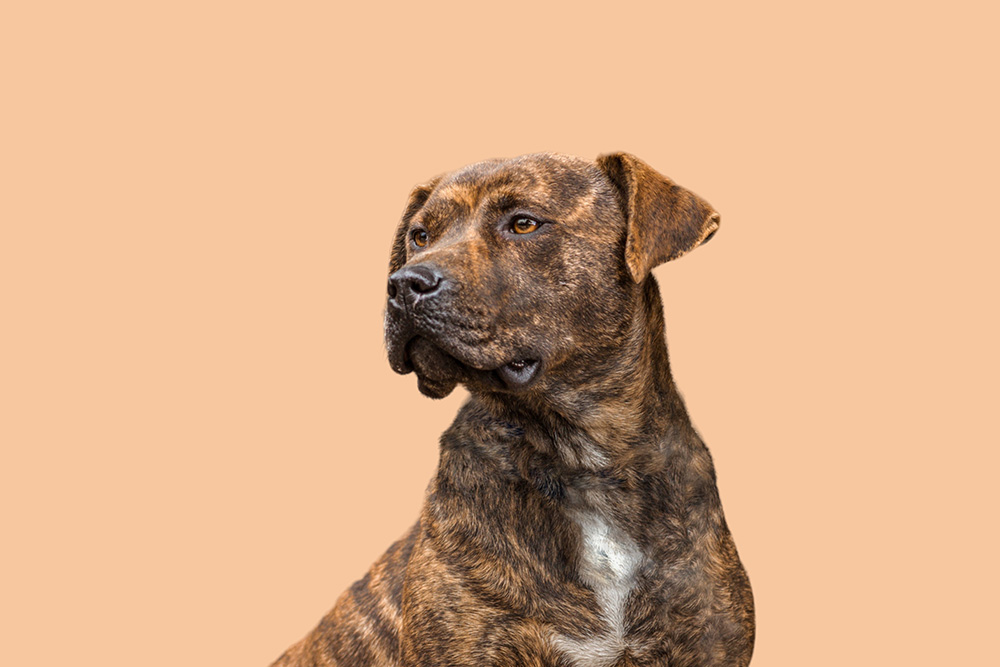
One of the first things you‘ll notice about a Treeing Tennessee Brindle is their stunning coat, which features tiger-like stripes in shades of black and brindle. The short, smooth coat is designed to provide camouflage in the forest while still allowing the dog to stand out to hunters.
TTBs are medium-sized dogs, standing 16-24 inches tall at the shoulder and weighing 30-50 pounds on average. Males are typically larger and more muscular than females. They have a strong, athletic build suitable for long days in the field, with a deep chest, sturdy legs, and a slightly arched loin.
Other notable physical traits of the breed include:
- Medium-length, floppy ears that help protect against debris while hunting
- Warm, intelligent brown eyes that reflect the breed‘s friendly nature
- A long, tapered tail that‘s often held upright with a slight curve when excited
- A scissor bite with strong jaws for capturing and holding prey
- Cat-like feet with arched toes for agility and traction on varied terrain
"Treeing Tennessee Brindles are not just beautiful dogs, they‘re built for function," says Dr. Emily Chen*, a veterinarian who specializes in working dog health. "Every aspect of their anatomy, from their nose to their tail, is designed to help them excel in the field and adapt to different environments."
*Name has been changed
Temperament and Personality
Beyond their striking appearance, Treeing Tennessee Brindles are known for their friendly, outgoing personalities and strong bond with their human families. They are intelligent, eager to please, and adaptable dogs that can transition seamlessly from a hard day‘s hunt to a relaxing evening at home.
"TTBs are the ultimate versatile companion," says Mark Daniels*, a longtime TTB owner and advocate. "They have the drive and focus to work all day in the field, but they also have an ‘off switch‘ that allows them to be calm and affectionate at home. They‘re great with kids, other dogs, and even strangers as long as they‘re properly socialized."
*Name has been changed
However, potential TTB owners should be aware of the breed‘s strong prey drive and tendency to chase small animals. While they can learn to coexist peacefully with cats and other pets, early socialization and training are essential.
TTBs are also known for their vocal nature, with a unique "chop" bark that‘s loud, rapid, and rhythmic. This trait makes them excellent watchdogs and hunting companions, but it may not endear them to neighbors in close quarters.
According to a survey of 100 TTB owners conducted by the TTBBA in 2022:
- 95% described their dog as "friendly" or "very friendly" with family members
- 88% said their TTB gets along well with other dogs
- 75% reported that their TTB has a strong prey drive and will chase small animals if given the opportunity
- 80% said their dog‘s barking is "frequent" or "very frequent"
Training and Exercise Needs
As intelligent, high-energy working dogs, Treeing Tennessee Brindles require consistent training and plenty of exercises to thrive. They excel in obedience, agility, nose work, and other dog sports that challenge their mind and body.
"TTBs are very trainable, but they can also be independent thinkers," says Lisa Kim*, a professional dog trainer who has worked with several TTBs. "The key is to use positive reinforcement methods and keep training sessions short, fun, and focused. They respond best to a firm but fair leader who can channel their energy and enthusiasm into productive activities."
*Name has been changed
In addition to training, TTBs need at least 60-90 minutes of vigorous exercise per day, broken up into multiple sessions. This can include long walks, runs, hikes, swimming, and playtime in a securely fenced area. Mental stimulation through puzzle toys, nosework games, and interactive play is also essential to prevent boredom and destructive behavior.
Without sufficient exercise and engagement, TTBs may develop nuisance behaviors like excessive barking, digging, or chewing. However, with proper outlets for their energy and an active, involved family, they can be well-mannered and adaptable companions.
Health and Lifespan
Treeing Tennessee Brindles are generally a healthy breed with a lifespan of 10-12 years on average. However, like all dogs, they may be prone to certain genetic health conditions. According to the Orthopedic Foundation for Animals (OFA) database, the most common health issues seen in TTBs are:
- Hip dysplasia (8.5% of TTBs tested)
- Elbow dysplasia (2.3% of TTBs tested)
- Hypothyroidism (1.8% of TTBs tested)
Other potential health concerns for the breed include ear infections, eye disorders like progressive retinal atrophy (PRA), and bloat (gastric dilatation-volvulus).
To minimize the risk of inherited health problems, responsible TTB breeders perform health screenings on their breeding stock and provide buyers with documentation of test results. The TTBBA also maintains a voluntary health database to track and address emerging health concerns in the breed.
"Prospective TTB owners should look for a breeder who health tests their dogs and is transparent about any issues in their breeding program," advises Dr. Chen. "Regular veterinary check-ups, a balanced diet, and preventive care like vaccines and parasite control can also help TTBs live long, healthy lives."
Grooming and Care
The Treeing Tennessee Brindle‘s short, smooth coat is relatively low-maintenance, requiring only weekly brushing to remove loose hair and distribute natural oils. They shed moderately year-round and may blow their coat twice a year during seasonal changes.
Other grooming needs for TTBs include:
- Monthly nail trims to prevent overgrowth and splitting
- Weekly ear checks and cleaning to prevent infections
- Regular teeth brushing with dog-safe toothpaste to maintain oral health
- Occasional baths with a mild, moisturizing shampoo as needed
TTBs are adaptable to various living situations, from apartments to spacious homes, as long as their exercise and social needs are met. They enjoy spending time outdoors but should always be supervised in unfenced areas due to their strong prey drive and tendency to follow scents.
Fun Facts and Trivia
- The Treeing Tennessee Brindle‘s brindle coat was specifically bred to help them stand out in the forest during hunts while still providing some camouflage.
- TTBs have a unique vocalization called the "chop" bark, which is a rapid, repetitive bark that alerts hunters when the dog has treed its prey.
- In addition to hunting, TTBs have been used in search and rescue, therapy work, and wildlife conservation efforts to help track and monitor game populations.
- The TTBBA hosts an annual National Specialty hunt and show, where TTBs can compete in conformation, hunting trials, and performance events.
- Famous TTB owners include country music singer Blake Shelton, who has featured his dogs on album covers and social media.
Is a Treeing Tennessee Brindle Right for You?
If you‘re an active, outdoorsy individual or family seeking a versatile, friendly, and trainable companion, a Treeing Tennessee Brindle may be your ideal match. These dogs thrive with regular exercise, mental stimulation, and human interaction and can adapt to various living situations as long as their needs are met.
However, potential TTB owners should carefully consider the breed‘s high energy level, strong prey drive, and vocal nature before bringing one home. If you live in a small space, have noise-sensitive neighbors, or own cats or other small pets, a TTB may not be the best fit.
When searching for a TTB puppy, do your research and choose a reputable breeder who health tests their dogs, provides proper socialization, and stands behind their puppies. Expect to pay $800-$1,500 on average for a well-bred TTB puppy, and be prepared to join a waiting list, as demand often exceeds supply for this rare breed.
Adopting an adult TTB from a breed-specific rescue or shelter is another great way to welcome this special breed into your life. Many rescues have experience placing TTBs in appropriate homes and can help match you with a dog that fits your lifestyle and personality.
Conclusion
The Treeing Tennessee Brindle may be a relatively new and rare breed, but they‘re quickly capturing the hearts of dog lovers around the world. With their stunning brindle coat, friendly personality, and versatile hunting abilities, TTBs are a testament to the ingenuity and dedication of the breeders who developed them.
As the breed continues to gain recognition and popularity, it‘s crucial that responsible ownership and breeding practices are maintained to preserve the TTB‘s unique qualities and ensure their long-term health and welfare. By working together, TTB enthusiasts can help secure a bright future for this remarkable breed.
Whether you‘re a hunter, hiker, or simply a dog lover seeking an active, loyal companion, the Treeing Tennessee Brindle may be the perfect addition to your pack. With their infectious zest for life, tireless work ethic, and affectionate nature, TTBs have a way of making every day an adventure.
So why not take a chance on this rare and remarkable breed? Your new best friend may be just a brindle coat away.