10 Dog Breeds That Look Like Teddy Bears: Big, Fluffy, and Utterly Irresistible
As a lifelong dog lover, I‘ve always had a soft spot for big, fluffy pooches that remind me of childhood teddy bears. There‘s something so endearing about that classic combo of a sturdy build, lush fur, round ears, and squishy face. Beyond looks, many bear-like dog breeds are deeply loyal companions with a calm, dignified presence.
If you‘re like me, you may be wondering which dog breeds most resemble our favorite plush toys and how they came to be that way. As it turns out, a lot of them were developed in northern climates where a dense double coat provided essential protection from the elements. Generations of selective breeding honed the bear-like look while also shaping the breeds for various working roles.
From the foxy-faced Keeshond to the massive Tibetan Mastiff, here are 10 fluffy dog breeds that will make you do a double take. Fair warning: you may find yourself wanting to take one home and snuggle it forever!
1. Chow Chow
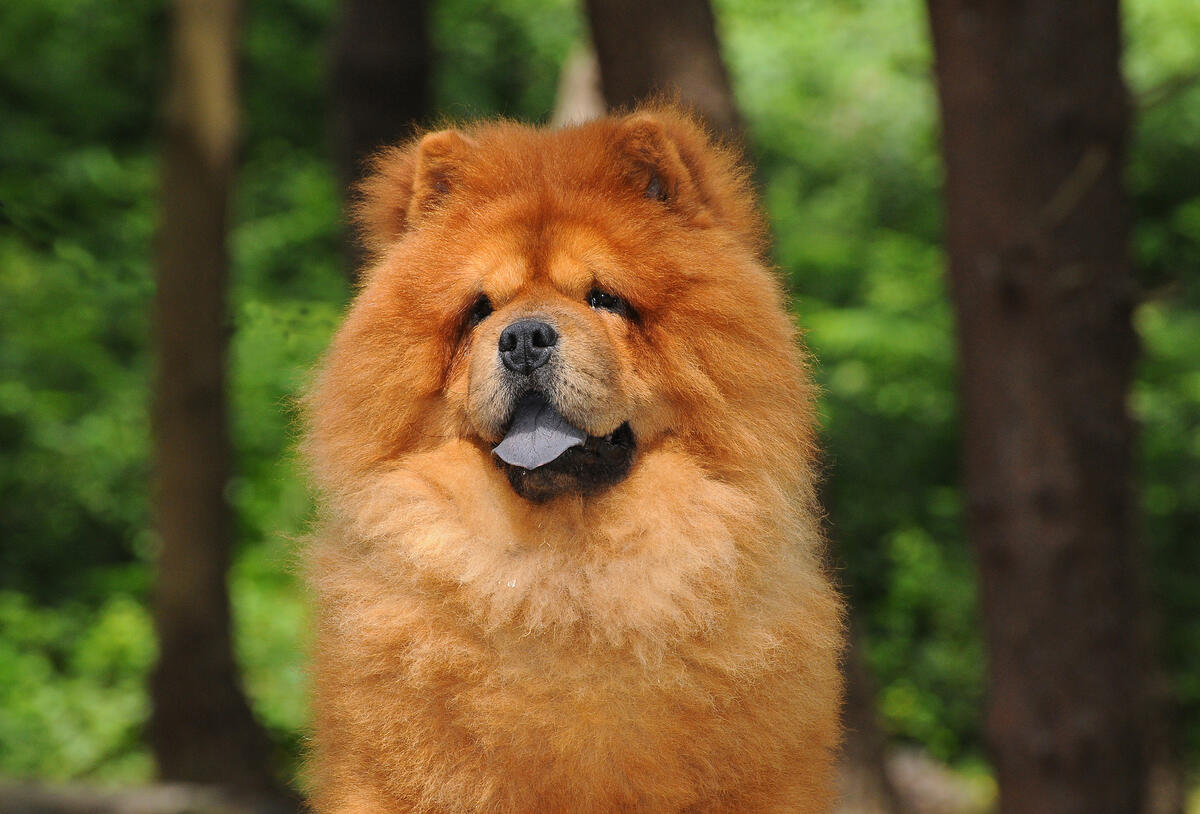
The Chow Chow is the original teddy bear dog. This ancient Chinese breed is known for its distinct mane of thick fur, scowling expression, and unique blue-black tongue. According to the American Kennel Club, Chows rank 64th out of 195 breeds in popularity.
- Size: 17-20 inches tall, 40-70 pounds
- Coat: Thick double coat in solid red, black, blue, cinnamon, or cream
- Personality: Aloof, loyal, protective
- Grooming: Brushing 2-3 times per week, plus professional grooming every 8-12 weeks
- Training: Can be independent and stubborn, requires firm and consistent training
- Lifespan: 8-12 years
"Chows are the most cat-like of dog breeds. They‘re aloof, don‘t always come when called, and like to keep their paws clean. But they form incredibly deep bonds with their chosen humans." – Karen S., Chow Chow owner for 15 years
One famous Chow Chow was Genghis Khan, beloved companion of President Calvin Coolidge and First Lady Grace Coolidge in the 1920s. The reddish-brown fluffball was often photographed with the First Family and became a minor celebrity.
2. Newfoundland
The Newfoundland is a gentle giant with a big teddy bear head, droopy jowls, and webbed feet perfectly suited to swimming. Bred as working dogs in coastal Canada, Newfies can tip the scales at up to 150 pounds. The Newfoundland Club of America reports that the average lifespan is 8-10 years.
- Size: 26-28 inches tall, 100-150 pounds
- Coat: Thick, water-resistant double coat in black, brown, gray, or white and black (Landseer)
- Personality: Sweet, patient, nurturing
- Grooming: Brushing 2-3 times per week, plus occasional baths
- Training: Intelligent and eager to please, but can be sensitive
- Health Concerns: Hip and elbow dysplasia, heart disease, gastric torsion
"No dog loves water like a Newfoundland. Mine will plop right into any puddle, pool, or body of water he sees. I call him my 120-pound lap dog." – Tina R., Newfoundland owner and breeder
The breed has a legendary reputation for water rescue. In 1919, a Newfoundland named Gander reportedly saved 92 passengers from the SS Ethie off the coast of Canada. Another famous Newfie was Seaman, companion to explorers Lewis and Clark on their historic expedition across America in the early 1800s.
3. Great Pyrenees
With its majestic white coat, the Great Pyrenees looks more polar bear than brown bear, but definitely has a distinctly ursine quality. These livestock guardians were developed in the Pyrenees Mountains to protect sheep from wolves and bears. The Great Pyrenees Club of America estimates there are 4,000-5,000 Pyrs in the United States.
- Size: 27-32 inches tall, 85-140 pounds
- Coat: Thick, weather-resistant double coat in solid white or white with markings of tan, gray, reddish brown
- Personality: Calm, patient, protective
- Grooming: Brushing 2-3 times per week, plus occasional baths
- Training: Independent thinker, needs firm and consistent training
- Lifespan: 10-12 years
"Great Pyrenees are not a breed for the inexperienced owner. They need a strong leader and a job to do. But once you‘ve earned their trust and respect, you‘ll have the most loyal guardian imaginable." – Mark T., Great Pyrenees rescue volunteer
The Great Pyrenees has a royal history, serving as the court dog of King Louis XIV in 17th century France. More recently, the breed has found work as therapy dogs. A Pyr named Leap visits hospitals and hospices to provide comfort and cuddles to patients.
4. Leonberger
With its lion-like mane, black mask, and soft expression, the Leonberger looks like a teddy bear fit for a king. The breed was developed in the city of Leonberg, Germany in the mid-1800s and historically served as companions to royalty. Today, they rank 92nd out of 195 breeds, according to AKC registration statistics.
- Size: 25.5-31.5 inches tall, 90-170 pounds
- Coat: Long, water-resistant double coat in lion-yellow, golden, red, reddish-brown, or sand
- Personality: Friendly, gentle, trainable
- Grooming: Brushing 2-3 times per week, plus occasional baths and trimming
- Training: Intelligent and eager to please, responds well to positive reinforcement
- Health Concerns: Hip and elbow dysplasia, eye disorders, thyroid issues
"The Leonberger has the gentlest soul wrapped up in the sturdiest body. They‘re so intuitive and tuned into human emotions. Mine always seems to know when I need extra cuddles." – Julia M., longtime Leo owner
Perhaps the most famous Leonberger was Barry der Menschenretter ("Barry the People‘s Rescuer"), a St. Bernard/Leonberger mix credited with saving more than 40 lives in the Swiss Alps in the early 1800s. A monument to Barry still stands in a Paris cemetery.
5. Tibetan Mastiff
Often described as "lion-like," the imposing Tibetan Mastiff is one of the largest dog breeds in the world. These noble guardians were developed thousands of years ago in the Himalayan mountain regions of Central Asia. The Tibetan Mastiff Association of America emphasizes that Tibetan Mastiffs are a primitive breed wholly unlike modern mastiff-type dogs.
- Size: 24-30+ inches tall, 140-230 pounds
- Coat: Thick double coat in black, brown, blue-gray, or gold, often with white markings
- Personality: Independent, protective, aloof with strangers
- Grooming: Seasonal heavy shedding, weekly brushing
- Training: Highly intelligent but strong-willed, not recommended for novice owners
- Lifespan: 10-12 years
"Owning a Tibetan Mastiff is like living with a furry bodyguard. They‘re naturally protective of home and family, but calm and loving with their ‘flock.‘ It‘s an incredible feeling knowing your dog would do anything to keep you safe." – Dan P., Tibetan Mastiff breeder
In 2011, a red Tibetan Mastiff puppy named "Big Splash" made headlines when he reportedly sold for $1.5 million to a Chinese buyer, making him the most expensive dog in the world at the time. The breed has long been a status symbol among China‘s elite.
From the royal courts of Europe to the rugged mountains of Asia, these big fluffy dogs have been cherished for centuries for both their teddy bear looks and unwavering loyalty. While the extra fur means additional grooming, their calm and devoted personalities are well worth the effort.
Of course, it‘s important to remember that all these bear-like beauties are still dogs with needs far beyond regular fluffing and brushing. Thorough training, socialization, and appropriate outlets for their guarding instincts are a must, especially for the larger and more protective breeds.
If you‘re looking for the ultimate cuddle buddy and devoted companion, you really can‘t go wrong with a dog that looks like a real-life teddy bear. Just be prepared for your heart to melt every time that fuzzy face looks up at you with complete love and trust!