
14 Ancient Dog Breeds: With Pictures & Facts
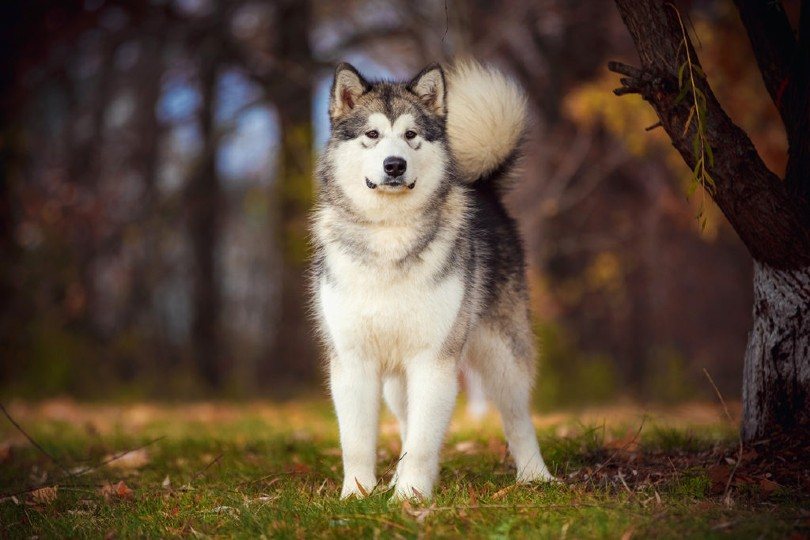
Discovering the Incredible Legacy of Ancient Dog Breeds
For as long as humans have kept written records, dogs have been by our sides as loyal companions, tireless workers, and beloved friends. But the history of humanity‘s partnership with canines stretches back even further, into the mists of prehistory. Many of the dog breeds we know and love today have origins dating back thousands of years, with fascinating stories to tell. Let‘s take a journey through time to meet some of the world‘s most ancient and enduring dog breeds, and discover the incredible legacy they carry into the modern age.
What Makes a Dog Breed "Ancient"?
Before we begin our exploration, it‘s helpful to understand what qualifies a dog breed as truly "ancient." There are a few key criteria that canine historians and researchers look at:
-
Emergence prior to the development of modern breed standards in the 19th century. Ancient breeds predate the Victorian era explosion of selective dog breeding that gave rise to many of today‘s breeds.
-
Genetic analysis showing a breed‘s direct lineage tracing back to prehistoric ancestors, with minimal mixing with other breeds over time. The oldest dog breeds show little genetic divergence from their ancient forebears.
-
Historical and archaeological evidence of a breed‘s presence in ancient cultures, such as depictions in art and artifacts, descriptions in literature and historical accounts, or canine remains found at archaeological sites.
-
Location of origin in regions known to be early centers of dog domestication, such as Central Asia, the Middle East, and North Africa.
The breeds that best meet these criteria have a provenance stretching back hundreds, thousands, or even tens of thousands of years, embodying a living link to the distant past. Now let‘s meet some of these enduring ancient breeds and the stories they have to tell.
The Basenji: Africa‘s "Barkless" Prehistoric Hunting Dog
One of the most iconic and unusual of the ancient breeds is the Basenji. Native to Central Africa, this small, graceful hound is famous for making a unique yodeling sound instead of barking. European explorers first encountered Basenjis in the Congo Basin in the 19th century, but depictions of the breed have been found in ancient Egyptian artifacts dating back over 6,000 years.
Paleogenomic analysis has confirmed the Basenji‘s place as one of the most genetically divergent and ancient dog lineages, clustering with other African ancient breeds. These dogs‘ unique barkless quality likely emerged as an adaptation for their traditional role as stealthy hunting partners to African peoples, as they crept silently through the forest to flush out prey or snare small game with their quick reflexes.
Basenjis still retain many of their wild-type characteristics and primitive behaviors, such as the inability to bark, a strong prey drive, a yearly estrus cycle for females rather than twice a year, and a reserved, aloof demeanor. While they are popular pets in the West today, they can be challenging to train and live with due to their independent nature and astounding agility and speed which makes them talented escape artists.
The Akita: Japan‘s "Snowflake Dog"
Venerated as a national treasure in their native Japan, the Akita Inu (meaning "dog of Akita prefecture") has a long and noble history. The breed emerged between 8,000 to 2,000 years ago as a powerful, muscular hunting dog in the mountainous regions of Japan‘s Akita prefecture. Originally used to hunt boar, elk, and the famed Yezo bear, Akitas were beloved hunting companions prized for their combination of strength, courage, and unwavering loyalty.
Akitas are one of the seven breeds designated as a "Natural Monument" by the Japanese government, celebrated in art and literature as a symbol of health, happiness, and long life. The most famous Akita was Hachikō, remembered as the ultimate symbol of loyalty after he continued to wait for his deceased master at the train station for over 9 years.
Today‘s Akita is the result of crossbreeding with mastiffs and German Shepherds in the early 20th century to save the breed from extinction after WWII. Their dense undercoat gives them a unique "snowflake" appearance, and they are known for their dignified, reserved, and protective demeanor. Akitas bond very strongly with their families but can be territorial and wary around strangers. These proud, powerful dogs need lifetime training and socialization to be good canine citizens.
The Saluki: Royal Dog of Egypt
With their slim, elegant build, long silky ears and feathered tails, Salukis are the embodiment of grace and speed. These ancient sighthounds were the prized hunting companions of kings and nobles across the Middle East for millennia, with Saluki-like dogs appearing in rock carvings in Susa as early as 6,000-7,000 BC.
Salukis rose to prominence in ancient Egypt, with their depictions adorning many royal tombs, as well as being the most frequently mummified dog remains found by archaeologists. They were so revered for their beauty, loyalty, and unmatched speed that it was illegal for anyone but nobility to own them. Salukis were even considered sacred and referred to as "The Noble" or "The Ones with the Noble Physique."
The Saluki‘s aerodynamic build allows them to reach speeds up to 45 mph to course down hares and gazelle. Their long feathered ears and tails help them make quick turns, and their unique "hinged" hipbone design gives them an incredibly long, fluid stride. While no longer used for hunting, Salukis still retain their aloof dignity, independent spirit, and instinct to chase anything that moves. Uninterested in obedience, these gentle, affectionate sighthounds are agreeable companions but are happiest with room to run.
The Chow Chow: China‘s Fuzzy Lion-Dog
With their luxurious thick fur, wrinkled brows, and blue-black tongues, Chow Chows are one of the most visually distinctive dog breeds. They also have one of the longest and most mysterious histories of any breed. References to bear-like, wrinkled, blue-tongued prick-eared dogs have been found in artifacts dating back to China‘s Han Dynasty (206 BC-22 AD). Genetic analysis has confirmed the Chow Chow‘s place among the ancient breeds, diverging from wolves earlier than most other lineages.
Over their long history, Chow Chows played many roles in Chinese society. Known as "songshi quan" or "puffy lion dog," they were companions of emperors and nobles. But they also served as working dogs herding, hauling, hunting, and guarding for rural communities. Some evidence even points to them serving as food and fur sources in times of scarcity.
Until the 1800s, Chow Chows were unknown to the West and had little mixing with other breeds. Their earliest depictions show drop ears, straighter rear legs, and less rectangular heads than today‘s breed standard. Some breeders have begun efforts to preserve these "traditional" characteristics through the so-called "Chou dog" landrace lines. But Chows of all backgrounds tend to retain their strong-willed, bold, dignified, and protective demeanor. These independent thinkers are devoted family guardians and noble companions.
The Xoloitzcuintli: Mexico‘s Ancient Hairless Healer
With a name meaning "dog of Xolotl," referring to the Aztec god of lightning and death, the Xoloitzcuintli (or Xolo for short) has a history stretching back over 3,000 years to the Olmec civilization of ancient Mexico. These hairless dogs were highly prized by the Aztecs and other Mesoamerican peoples, who believed them to have healing powers and to serve as guides for deceased souls on their journey to the underworld.
Because of their perceived sacred and medicinal qualities, Xolos were sometimes ritually sacrificed and buried with their owners. Others roamed freely in cities, where they performed useful roles like controlling vermin. European chroniclers described the unusual dogs they encountered in the great Aztec capital of Tenochtitlan, and hairless effigies and ceramic sculptures of Xolos have been found at many archaeological sites.
Despite their ancient origins, Xolos nearly went extinct after the Spanish conquest of Mexico and remained little known until rediscovered by archaeologists in the 1950s. Today they are recognized in coated and three sizes (toy, miniature and standard) and are slowly gaining popularity as calm, attentive, and clever companions. While their hairless bodies no longer have sacred status, they still retain their warm, soothing, almost magical presence cherished by their ancient ancestors.
The Tibetan Mastiff: Guardian of the Himalayas
Hailing from the "Roof of the World" high on the Tibetan Plateau, the Tibetan Mastiff is a living legend and perhaps the oldest dog breed of all. DNA analysis has shown the Tibetan Mastiff lineage diverged from wolves over 58,000 years ago, compared to 42,000 years for most other breeds. While their precise origin date is uncertain, Tibetan Mastiff-like dogs have been depicted in ancient Himalayan art dating back over 4,000 years.
These "Dok-Khyi" or "tied dogs" traditionally served as guardians for the villages, monasteries, and caravans traversing the Himalayan passes, where their thick coats, massive size, booming barks, and fearless protective instinct equipped them to confront threats like wolves, bears, and bandits. They were never used for herding, as their predatory instinct was too strong. Instead, they patrolled territories autonomously, making decisions without human direction. This bred a temperament utterly unlike other domestic dogs — aloof, nocturnal, independent, and suspicious of anything unfamiliar.
When not on guard duty, Tibetan Mastiffs lived closely with the Tibetan Buddhists, sleeping by the fire in homes and monasteries. But while they were gentle and tolerant "nanny dogs" to family children, they had little use for outsiders. Even today, their instinct is to patrol and protect more than to please and obey. Although the first Tibetan Mastiffs left their Himalayan homeland in the 1800s as gifts from the Dalai Lama, it has only been in recent decades that these noble guardians have become known to the wider world as companions. But those who understand their ways know the privilege of coexisting with an ancient sentinel.
From Past to Present: The Enduring Legacy of Ancient Dogs
As we‘ve seen, the oldest dog breeds are living embodiments of the long, rich history we share with our canine companions. From the courts of Chinese emperors to the peaks of the Himalayas to the deserts of the Middle East, ancient dogs have stood by humanity‘s side since prehistory. Their unique forms and behaviors point to their deep roots, having emerged and endured over centuries and millennia in partnership with humans.
While many ancient breeds still excel in their original roles as hunters, guardians, and herders, most today enjoy life primarily as beloved companions. But their heritage remains alive in their instincts, temperaments, and noble bearing. When we gaze into the wise eyes of an ancient breed dog, we are looking at a living connection to the past — and a reminder of the timeless bond between humans and our most loyal friends.
As we appreciate the incredible legacy of these ancient breeds, we must also protect and preserve them for the future. Some, like the Tibetan Mastiff and the Xolo, have already brushed with extinction and remain quite rare. Others face threats from shrinking gene pools, changing lifestyles, and loss of historic purpose. But by cherishing these breeds and telling their stories, all of us can play a part in ensuring they endure for generations to come, as living monuments to the history we share with dogs.


