7 Surprising Benefits of Hand Feeding Your Dog: A Vet‘s Perspective
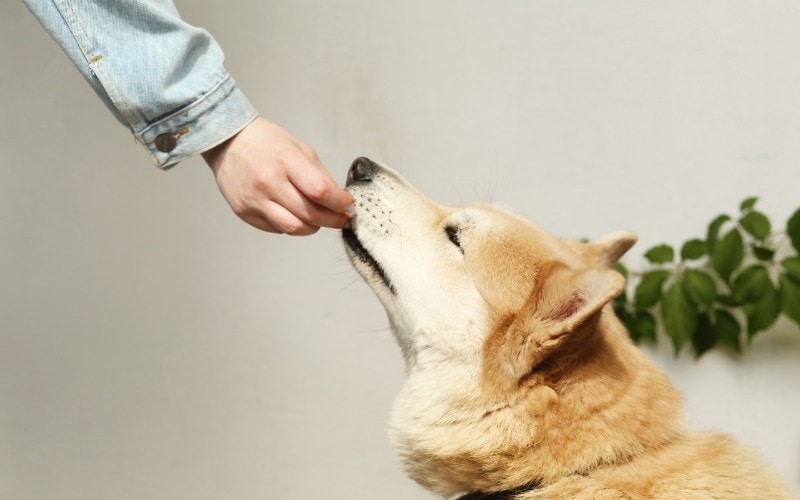
As a veterinarian and lifelong dog lover, I‘ve come to appreciate the power of small, intentional acts that can make a big difference in our dogs‘ lives. One such practice is hand feeding – offering your dog‘s meals directly from your hand rather than placing them in a bowl.
While it may seem like an unnecessary hassle in our busy lives, hand feeding actually provides a host of physical, psychological, and relational benefits for both dogs and their humans. In this article, we‘ll delve into seven science-backed reasons to consider incorporating hand feeding into your dog‘s routine, as well as some tips and precautions to keep in mind.
1. Strengthens your bond and communication
The simple act of hand feeding promotes a powerful connection between you and your dog. It‘s an opportunity for focused, one-on-one attention and positive interaction. In taking food from your hand, your dog is learning to trust you and see you as the provider of good things in their life. This can be especially transformative for rescued or nervous dogs still building confidence in human relationships.
A 2020 study found that dogs who were hand fed exhibited more affectionate behaviors towards their owners, such as leaning, nudging, and gazing, compared to dogs fed exclusively from a bowl. These behaviors are indicative of a strong human-animal bond.
Hand feeding also allows you to understand and respond to your dog‘s body language around food. You‘ll learn to recognize the difference between relaxed, comfortable eating and tense or fearful posturing. This attunement helps you better meet your dog‘s needs and catch potential issues early.
2. Provides natural opportunities for training
Mealtimes become perfect training sessions when you hand feed. Your dog is focused and motivated to work for each piece of food. This makes it easier to practice basic obedience like "sit", "stay", "gentle", and "leave it". It‘s an especially useful technique for puppies learning self-control and boundaries around food.
For example, asking your puppy to sit and make eye contact with you before receiving each handful of food teaches them to look to you for guidance and resist impulsive grabbing. If they get mouthy or snatch the food roughly, you can close your hand and calmly wait for them to settle before trying again. This helps instill bite inhibition and good manners.
The American Kennel Club recommends using part of your dog‘s regular meals for hand-fed training sessions to avoid overfeeding and keep the food meaningful. As your dog masters basic skills, you can move on to more advanced concepts like "place", "heel", or fun tricks – the possibilities are endless!
3. Helps monitor health and prevents obesity
Obesity is a growing epidemic in our pet population, affecting over 50% of dogs and increasing their risk for numerous health problems. Free feeding (leaving food out all day) and unmeasured bowl feeding make it all too easy to overfeed without realizing it. Combining hand feeding with a structured meal schedule allows you to easily portion out the right amount of food for your dog‘s individual needs.
Based on your dog‘s ideal body condition score, you can calculate their daily calorie requirements and divide that into measured handfuls throughout the day. For most adult dogs, 2-3 feedings per day are recommended, while puppies and active breeds may need 3-4 smaller meals.
Portioning meals into your hand also makes you more aware of exactly how much you‘re feeding, which can help you make necessary adjustments if your dog starts gaining or losing too much weight. It‘s a simple way to be proactive about maintaining your dog‘s healthy physique.
Hand feeding also allows you to closely monitor your dog‘s appetite and eating habits, which can provide early clues about their health. Dogs are masters at hiding illness, but often one of the first signs something is amiss is a change in appetite. If your dog suddenly loses interest in eating from your hand or takes food more tentatively, it could indicate oral pain, nausea, or other issues warranting a vet visit.
4. Eases anxiety and digestive distress
The focused, calming nature of hand feeding can be particularly beneficial for dogs struggling with anxiety or digestive issues. The mere presence of a trusted human and the rhythmic action of hand feeding can have a soothing effect, as opposed to the frenzy of scarfing down a bowl of food.
This slower, more relaxed eating pace can help reduce the risk of health problems like regurgitation, bloating, and even life-threatening conditions like gastric dilatation volvulus (GDV). A 2015 study found that dogs who ate too quickly were five times more likely to develop GDV than slow eaters.
For anxious dogs who are picky eaters or tend to stress starve, hand feeding allows the owner to coax them to eat and make food more appealing through physical touch and vocal encouragement. Owners can also add tasty palatability enhancers like low-sodium broth or shredded chicken to the dog‘s food in their hand.
Hand feeding in a quiet, comfortable space away from other pets can also help reduce tension around mealtimes for dogs who resource guard. The non-threatening presence of the owner and lack of a physical bowl to defend can, over time and with appropriate protocols, help the dog relax and form more positive associations with eating with others around.
5. Assists with medical and dental recovery
For dogs recovering from surgeries, injuries, or dental procedures, hand feeding can be a gentler alternative to bowl feeding. Dogs who have had tooth extractions or oral surgery may find it painful to eat from a bowl or accidentally bump their surgical sites. With hand feeding, owners can carefully control food placement and amount. Soft or wet foods can be offered on a spoon or flat hand to avoid tender areas in the mouth.
Hand feeding also allows for smaller, more frequent meals which can be easier on the recovering digestive system and help prevent nausea associated with certain pain medications or antibiotics. For older dogs with arthritis or neck pain, bringing food to them in a raised hand can reduce discomfort and make eating a more enjoyable experience again.
6. Mimics natural eating behaviors and provides enrichment
In the wild, dogs are opportunistic eaters who typically consume several small meals throughout the day as they forage and hunt. Puppies first experience eating solid food by taking it from their mother‘s mouth. Hand feeding more closely mimics these natural feeding behaviors than bowl feeding.
While the food is not hidden or scattered as it would be in the wild, the act of taking food from the owner‘s hand still provides more mental stimulation and enrichment than eating from a stationary bowl. The dog has to think and use their senses to locate and obtain the food, rather than mindlessly gobbling it down.
This problem-solving and sensory engagement can help keep dogs mentally sharp and alleviate boredom that often leads to behavior problems. Integrating different hand feeding positions, interactive toys, and reward-based games provides even further enrichment to keep mealtimes fun and interesting for dogs.
7. Facilitates food transitions and discourages begging
Whether you need to switch your dog to a new food for medical reasons or just want to add some variety to their diet, hand feeding can help make the transition smoother. Many dogs are neophobic when it comes to new foods and may be hesitant to try something different in their bowl.
With hand feeding, you can mix a small amount of the new food in with the old and deliver it in a fun, interactive way. Over time, you can gradually increase the ratio of new to old food. The positive associations with eating from your hand can help override any initial wariness and pickiness.
Hand feeding also gives you more control over what your dog eats and when, which can help discourage begging behaviors. By only feeding your dog from your hand at designated mealtimes and in specific locations, they learn that food is not available all the time or from surfaces like the kitchen table or counter.
It‘s important to be consistent and never succumb to giving in to begging, as this will only reinforce the unwanted behavior. If your dog begs, redirect them to an acceptable activity like playing with a toy or practicing a trick. With time and patience, they‘ll learn that polite, calm behavior is what earns them your attention and rewards.
Precautions and best practices
While hand feeding has numerous benefits, there are a few precautions to keep in mind to ensure it‘s a safe and positive experience for all involved:
- Always wash your hands before and after feeding to prevent the spread of bacteria.
- If your dog has any history of aggression or guarding around food, consult with a professional trainer before attempting hand feeding. Avoid any confrontational or forceful approaches.
- Offer food on a flat, open hand to prevent accidental bites. Go slowly and let your dog set the pace.
- Watch for signs of anxiety or discomfort and back off if your dog seems unsure. Hand feeding should be a positive, consensual experience.
- Use a portion of your dog‘s regular daily food ration for hand feeding to avoid overfeeding. Limit treats and non-meal food rewards.
- Be patient and keep sessions short to set your dog up for success. End on a good note before your dog gets full or bored.
- Provide a balance of hand feeding, forage feeding, and food puzzles to ensure your dog doesn‘t become overly dependent on hand feeding.
With a little practice and consistency, hand feeding can become a valuable addition to your dog‘s feeding routine and a cherished bonding ritual for you both. As with any major diet or lifestyle change, it‘s always a good idea to check in with your veterinarian first to make sure it‘s appropriate for your individual dog‘s needs.
Here‘s to happy, healthy mealtimes and an even deeper connection with your canine companion!