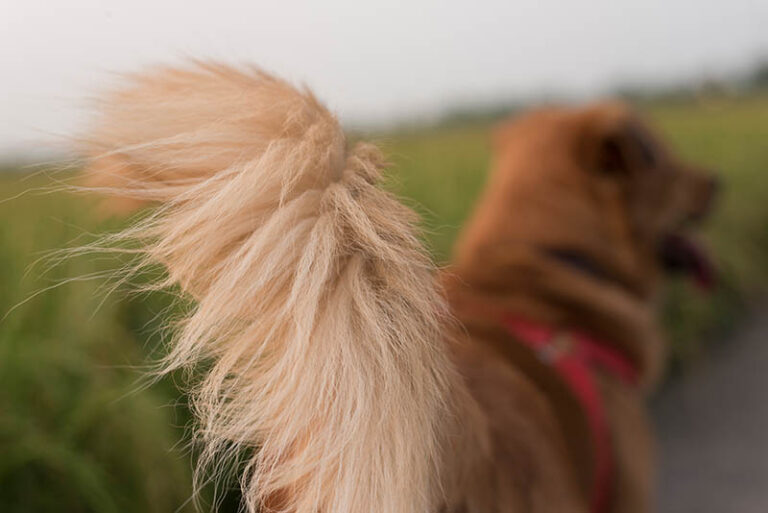
French Dog Breeds: A Comprehensive Guide to Majestic Large Breeds

Introduction
France has a rich history of developing and refining dog breeds that have captured the hearts of canine enthusiasts worldwide. From the regal Poodle to the charming French Bulldog, these breeds have become beloved companions and icons of French culture. However, among the many French dog breeds, the large varieties stand out for their majestic appearance, loyal nature, and unique characteristics. In this comprehensive guide, we will explore the world of large French dog breeds, delving into their history, characteristics, and the joys and responsibilities of owning these impressive canines.
Historical Context and Evolution of French Dog Breeds
The development of French dog breeds is closely intertwined with the history of France itself. French nobility played a significant role in refining and popularizing certain breeds, often using them for hunting, guarding, or as status symbols. Over time, these breeds have evolved and influenced other breeds worldwide, leaving a lasting impact on the canine world.
Notable extinct or rare French dog breeds include:
- Chien-gris (Grey Dog): A large hunting dog that went extinct in the 19th century
- Grand Fauve de Bretagne: A scent hound breed that is now rare, with only a few hundred dogs remaining
- Chien de Normandie (Normandy Hound): A large scent hound that is now extinct
Detailed Profiles of Large French Dog Breeds
Braque Français (French Pointing Dog)
The Braque Français is a versatile hunting dog known for its keen sense of smell and pointing ability. There are two varieties: the Gascogne type and the Pyrenean type, with the latter being larger and heavier.
Physical Characteristics:
- Height: 21-27 inches
- Weight: 40-55 pounds (Gascogne), 55-75 pounds (Pyrenean)
- Short, fine coat in shades of white with brown or chestnut markings
Temperament:
- Intelligent and trainable
- Loyal and affectionate with family
- Energetic and athletic
Grand Basset Griffon Vendéen
The Grand Basset Griffon Vendéen is a large scent hound originally bred for hunting rabbits and hare in the Vendée region of France. These robust dogs are known for their endurance and friendly nature.
Physical Characteristics:
- Height: 15-18 inches
- Weight: 40-50 pounds
- Rough, shaggy coat in shades of white with orange, lemon, black, or grizzle markings
Temperament:
- Friendly and outgoing
- Independent and somewhat stubborn
- Energetic and playful
Chien Français Blanc et Noir (French White and Black Hound)
The Chien Français Blanc et Noir is a large scent hound breed developed in France for hunting deer and boar. These striking dogs are known for their distinctive white and black coats and strong hunting instincts.
Physical Characteristics:
- Height: 24-28 inches
- Weight: 65-85 pounds
- Short, smooth coat in white with black markings
Temperament:
- Determined and courageous
- Loyal and affectionate with family
- Requires firm, consistent training
Popularity and Prevalence of Large French Dog Breeds
Large French dog breeds have gained popularity worldwide, with some breeds being more prevalent than others. According to the Fédération Cynologique Internationale (FCI), the governing body for purebred dogs in France, the most popular large French dog breeds include:
| Breed | Global Ranking (FCI) | Estimated Population |
|---|---|---|
| Dogue de Bordeaux | 36 | 50,000 |
| Great Pyrenees | 58 | 30,000 |
| Briard | 110 | 15,000 |
| Beauceron | 160 | 8,000 |
| Berger Picard | 235 | 3,500 |
| French Mastiff | Not ranked | <1,000 |
These rankings and population estimates demonstrate the varying popularity of large French dog breeds, with the Dogue de Bordeaux being the most well-known and numerous.
Health and Lifespan of Large French Dog Breeds
Like many large dog breeds, French breeds are prone to certain genetic health issues. Responsible breeding practices, including health testing and careful selection of breeding stock, can help minimize the incidence of these problems.
Common health concerns for large French dog breeds include:
- Hip and elbow dysplasia
- Gastric torsion (bloat)
- Heart conditions, such as dilated cardiomyopathy
- Eye problems, such as progressive retinal atrophy
The average lifespan of large French dog breeds ranges from 8 to 12 years, with some individual dogs living longer. Factors that influence longevity include genetics, diet, exercise, and overall care.
Training and Socialization Needs of Large French Dog Breeds
Large French dog breeds require early socialization and consistent training to ensure they grow into well-adjusted, well-behaved companions. Each breed has its own training challenges and needs, which should be taken into consideration when choosing a breed.
Breed-specific training tips:
- Dogue de Bordeaux: Requires firm, consistent training and early socialization to prevent aggression towards other dogs
- Great Pyrenees: Independent thinker that may challenge authority, requires patience and positive reinforcement
- Briard: Highly intelligent and trainable, excels in obedience and agility
- Beauceron: Responsive to training but may be dominant, requires an experienced handler
Engaging activities and sports suitable for large French dog breeds include:
- Hiking and backpacking
- Carting and weight pulling
- Herding and livestock guarding
- Nosework and scent detection
Living with a Large French Dog Breed
Owning a large French dog breed comes with unique challenges and rewards. These dogs require ample space, exercise, and attention to thrive, making them best suited for homes with a yard and active lifestyles.
Space and exercise requirements:
- Large French dogs need daily walks and playtime to maintain physical and mental well-being
- A securely fenced yard is ideal for providing additional exercise and exploration
- Apartment living is possible for some breeds with dedicated owners who provide sufficient exercise
Budgeting considerations:
- Large breeds consume more food, leading to higher monthly expenses
- Veterinary costs may be higher due to increased risk of certain health issues
- Grooming expenses vary by breed, with some requiring professional grooming
Challenges and rewards:
- Large French dogs may be more challenging to control on leash and require more space in the home
- Increased shedding and drooling may be a concern for some owners
- The strong bond, loyalty, and impressive presence of a large French dog are deeply rewarding for dedicated owners
French Dog Breeds in Popular Culture
Large French dog breeds have made their mark on popular culture, appearing in movies, TV shows, and literature, and being owned by notable figures throughout history.
Notable large French dogs in media:
- Hooch, a Dogue de Bordeaux, in the movie "Turner & Hooch" (1989)
- Belle, a Briard, in the TV series "The Little House on the Prairie" (1974-1983)
- Buck, a Great Pyrenees mix, in the novel "The Call of the Wild" by Jack London (1903)
Celebrities and historical figures who have owned large French dog breeds:
- Actress Salma Hayek owns a Dogue de Bordeaux named Beethoven
- President Thomas Jefferson owned a Briard named Bergère
- Composer Richard Wagner owned a Great Pyrenees named Russ
French dog breeds have also been used as national symbols and in art:
- The Great Pyrenees is the official dog of the French Pyrenees region
- The Dogue de Bordeaux has been featured in numerous French paintings and sculptures
Rescue and Adoption of Large French Dog Breeds
While purchasing a large French dog breed from a reputable breeder is an option, adopting from a breed-specific rescue organization can be a rewarding experience. These organizations work to rehome dogs that have been surrendered, abandoned, or rescued from poor living conditions.
Importance of considering adoption:
- Provides a loving home for a dog in need
- Helps alleviate overcrowding in shelters and rescues
- Supports the work of dedicated rescue organizations
Challenges faced by large French dog breeds in shelter environments:
- May be overlooked due to size and space requirements
- Require more exercise and attention than smaller breeds
- May have behavioral issues due to previous experiences
Success stories of adopted large French dogs:
- "Maggie," a Dogue de Bordeaux rescued from a puppy mill, now thrives as a therapy dog
- "Bear," a Great Pyrenees mix, found his forever home after being surrendered by his previous owner
- "Loki," a Briard, overcame fear and anxiety with the help of his adoptive family and now competes in agility trials
By considering adoption, dog lovers can make a difference in the lives of large French dogs in need while experiencing the joy of owning one of these majestic breeds.
Conclusion
Large French dog breeds are a testament to France‘s rich canine heritage, with their majestic appearance, loyal nature, and unique characteristics. From the gentle giant Dogue de Bordeaux to the energetic and intelligent Briard, these breeds have captured the hearts of dog lovers worldwide.
Owning a large French dog breed is a significant responsibility that requires dedication, resources, and a deep understanding of the breed‘s specific needs. By providing ample exercise, training, socialization, and care, owners can ensure their French canine companions thrive and bring joy to their lives.
Whether purchased from a reputable breeder or adopted from a rescue organization, large French dogs have the potential to become cherished family members and lifelong friends. As we appreciate the beauty and diversity of these majestic breeds, it is essential to prioritize their well-being and promote responsible ownership practices.
In celebrating the large French dog breeds, we not only honor the legacy of French canine history but also recognize the profound impact these dogs have on the lives of those who love them. With their unwavering loyalty, impressive presence, and unique personalities, large French dogs will continue to capture our hearts and enrich our lives for generations to come.