Red Nose Pitbull: A Loyal Companion Breed Deserving of Love, Not Fear
Introduction
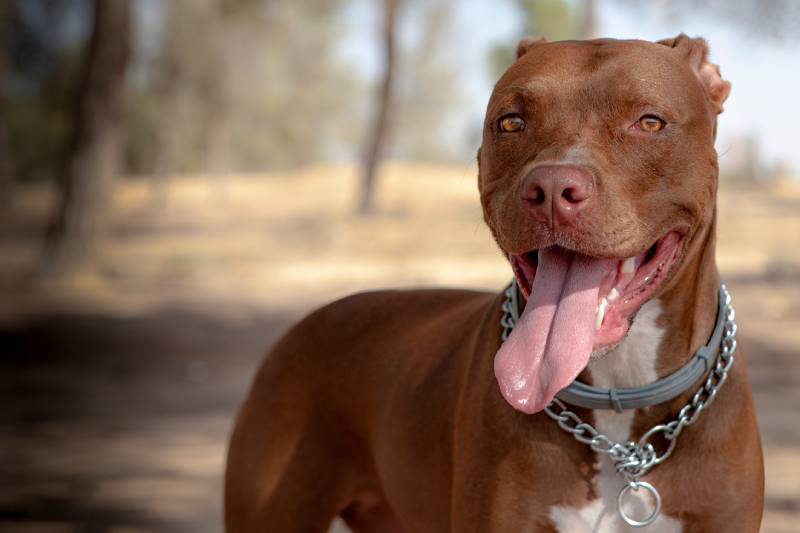
As a lifelong dog lover and veterinary professional, I‘ve had the privilege of working with countless breeds over the years. But few have captured my heart quite like the red nose pitbull. With their striking russet coats, endearing "smiles," and unbridled affection for their humans, these misunderstood dogs never fail to brighten my day.
Sadly, red nose pitbulls and the American Pitbull Terrier breed as a whole have been unfairly vilified in recent decades. Sensationalized media reports, unscrupulous breeding practices, and knee-jerk legislation have created a culture of fear and stigma around these loyal, loving dogs. As both an expert and advocate for pitbulls, I hope to shed light on the true nature of red nose pitbulls and inspire more people to open their minds and homes to these deserving dogs.
History and Origins of the Red Nose Pitbull
The American Pitbull Terrier (APBT) descended from the now-extinct Old English Terrier and Old English Bulldog, which were originally bred for the cruel bloodsports of bull-baiting and dogfighting in the early 1800s. When these "sports" were outlawed in England in 1835, immigrants brought their fighting dogs to the United States, where they continued to be bred for combat in underground dogfighting rings.
However, many pitbulls also found new purpose as all-around farm dogs and family companions. Their strength, loyalty, and gentleness with children earned them the nickname "nanny dog" in the early 20th century. Pitbulls served as military mascots in both world wars and appeared in popular television shows like the Our Gang/Little Rascals series.
The red nose pitbull strain likely developed through selective breeding of reddish-colored APBTs, either by chance or to create a specific look. Some theories suggest the red nose originated in Ireland, but there is little historical evidence to support this claim. Today, the red nose is simply a color variation within the APBT breed standard, not a separate breed.
Breed Characteristics and Temperament
Red nose pitbulls share the same physical and temperamental traits as other APBTs, with males weighing 35-65 pounds and females 30-50 pounds on average. Their short, glossy coats can range from light fawn to deep russet-red, sometimes with small white markings. They have broad, muscular builds, wide flat heads, and long tapered tails.
Contrary to negative stereotypes, pitbulls are not inherently aggressive towards humans. In fact, they consistently achieve excellent scores on the American Temperament Test, which measures stability, shyness, aggressiveness, and friendliness:
| Breed | Temperament Test Passing Rate |
|---|---|
| American Pitbull Terrier | 87.4% |
| Golden Retriever | 85.6% |
| Chihuahua | 69.6% |
| Dachshund | 67.6% |
Source: American Temperament Test Society, 2018
As this data shows, pitbulls are among the most consistently friendly and least aggressive dog breeds when properly bred, socialized, and cared for. Red nose pitbulls exemplify the breed‘s signature traits of loyalty, affection, and enthusiasm for life. They are incredibly devoted to their families and usually very patient and gentle with children.
However, pitbulls are also very strong, energetic dogs with a high prey drive. They require abundant exercise and mental stimulation to thrive, along with early socialization and training to develop good canine manners. Without these essential components of responsible ownership, any dog can develop behavioral issues.
Misrepresentation and Breed Specific Legislation
Unfortunately, pitbulls often make headlines for the wrong reasons. According to the American Veterinary Medical Association, "controlled studies have not identified this breed group as disproportionately dangerous." However, pitbulls are frequently misidentified in bite incidents, and negative stories receive disproportionate media attention compared to those involving other breeds.
This skewed public perception has led to the passage of breed-specific legislation (BSL) in over 900 cities across the United States. BSL ranges from mandatory muzzling and insurance requirements to complete bans on pitbull ownership. However, these laws are opposed by major animal welfare groups and shown to be ineffective at improving public safety:
- A 2014 study published in the Journal of the American Veterinary Medical Association found no significant decrease in dog bite hospitalizations in counties with BSL compared to those without
- Breed identification is unreliable, with up to 75% of mixed breed dogs misidentified as pitbulls in shelters
- BSL ignores the role of irresponsible owners and does not address underlying issues of abuse, neglect, and improper socialization that can lead to aggression in any breed
As pitbull advocates, we must continue to fight against discriminatory policies and focus on evidence-based solutions like stronger anti-cruelty laws, affordable spay/neuter programs, and owner education initiatives. Every dog deserves to be judged on their individual merits, not arbitrary stereotypes.
Responsible Red Nose Pitbull Ownership
Being a red nose pitbull owner comes with extra responsibilities and challenges. In addition to the usual needs of exercise, training, socialization, and veterinary care, pitbull owners must be prepared for additional scrutiny and restrictions. Some key considerations:
- Research your local laws carefully before getting a pitbull and secure appropriate housing. Many rental properties and homeowners insurance policies discriminate against the breed.
- Commit to being an ambassador for pitbulls through your dog‘s exemplary behavior and obedience. Always keep your dog leashed in public and contained at home.
- Invest time in training and socialization from puppyhood using positive reinforcement methods. Consider working with a certified trainer experienced with pitbulls.
- Supervise your pitbull around children and vulnerable adults. Never leave dogs and kids together unattended, no matter how trusted the dog.
- Avoid dog parks and off-leash areas where your pitbull could be injured or unfairly blamed for a confrontation. Instead, arrange supervised playdates with well-matched dogs.
- Have your pitbull spayed or neutered unless you plan to responsibly breed or show your dog. Pitbulls are the most common breed euthanized in shelters due to overbreeding and abandonment.
Red Nose Pitbull Advocacy and Adoption
Despite polarizing public opinion, there are countless positive stories of red nose pitbulls enriching their owners‘ lives and communities. Pitbulls serve honorably as police and military K9 officers, search-and-rescue dogs, service animals for people with disabilities, and comforting therapy dogs.
Well-known red nose pitbull owners include celebrities like Jon Stewart, Rachael Ray, Dr. Phil, Jamie Foxx, and Serena Williams, who use their platforms to promote a more positive image of the breed. The popular Animal Planet show Pit Bulls & Parolees has also helped shift perceptions by highlighting pitbulls‘ resilience in overcoming abuse and neglect.
If you‘re considering adding a red nose pitbull to your family, please visit your local animal shelter or rescue group first. Pitbulls are by far the most common dog breed in shelters, and nearly 1 million are euthanized each year due to oversupply and breed stigma. Adopting an adult or senior red nose pitbull can be very rewarding, as they are often already house-trained and past the destructive chewing phases.
When choosing a red nose pitbull puppy from a breeder, do your research carefully. Avoid anyone breeding for exaggerated features, making extreme claims about the rarity or superiority of their dogs, or breeding primarily for color. Responsible breeders health test their stock and prioritize temperament and function over appearance.
Conclusion
In my years of experience treating and advocating for red nose pitbulls, I have seen firsthand how unfairly maligned and misunderstood these affectionate, loyal dogs truly are. Pitbulls are not inherently dangerous – but like any powerful breed, they require committed owners willing to provide proper training, socialization, and care.
I hope this article has opened more minds and hearts to the true nature of red nose pitbulls. These one-of-a-kind dogs have so much love and enthusiasm to offer the right families. By promoting responsible ownership, fighting breed discrimination, and supporting pitbull-friendly organizations, we can secure a brighter future for this incredible breed.
Remember – there are no bad dogs, only bad owners. With education, compassion, and evidence-based policies, we can create safer, more humane communities for both people and pitbulls. The red nose pitbull may have a difficult history, but their future is up to us. Let‘s make it a loving one!