Spotting Potential Problems: A Comprehensive Guide to Dalmatian Health Issues
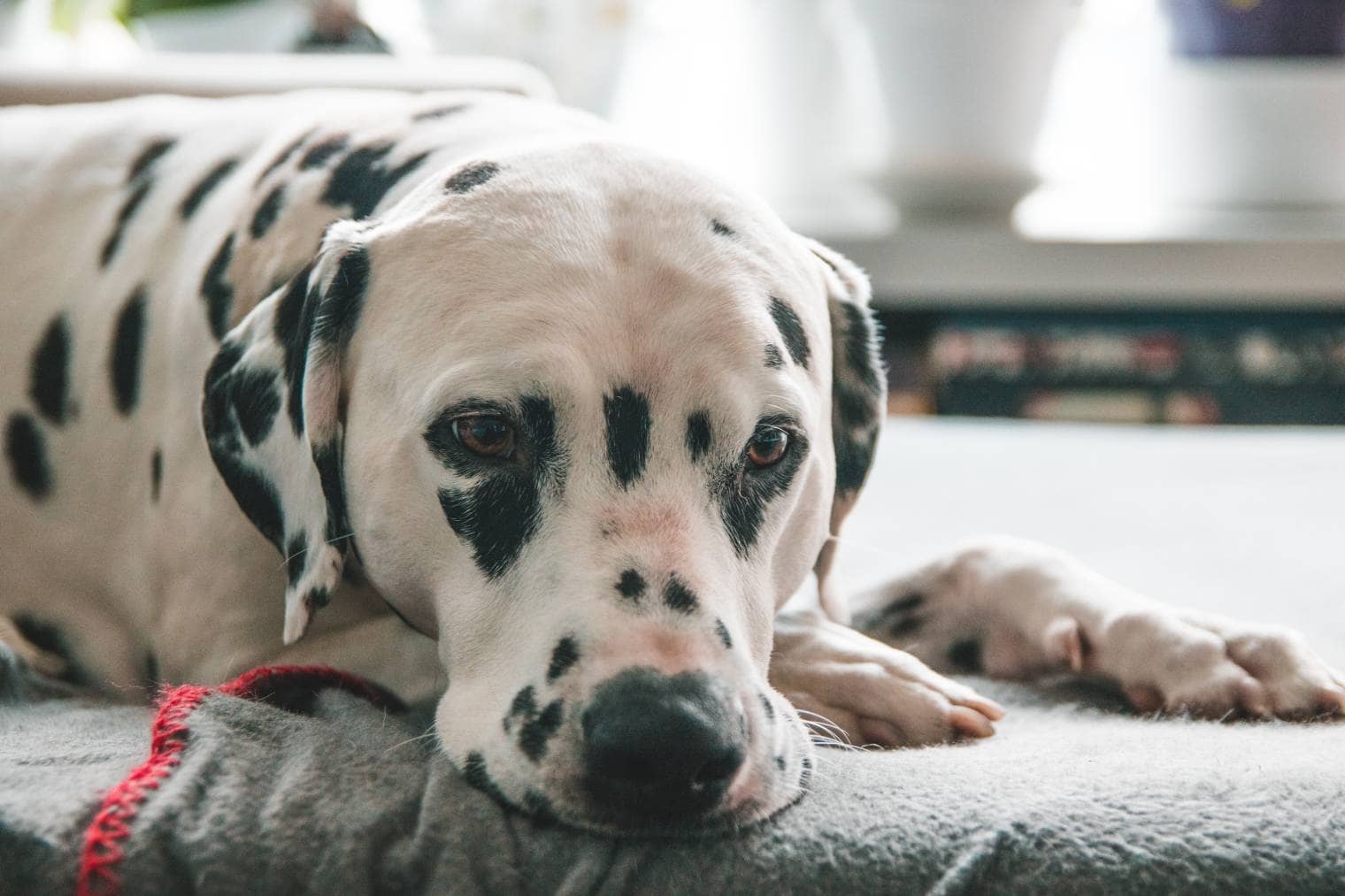
Dalmatians are an iconic and beloved breed, famous for their unique spotted coats and starring roles in film and television. Originally bred as coach dogs to run alongside horse-drawn carriages, these energetic and athletic dogs have a long and fascinating history. As a Dalmatian owner myself, I‘ve always been drawn to their striking appearance, loyalty, and friendly demeanor. However, as with any purebred dog, Dalmatians are predisposed to certain hereditary health conditions that responsible owners should be aware of. By understanding these common health issues, we can take steps to prevent problems when possible and catch them early if they do arise, helping our spotted companions live the healthiest, happiest lives possible.
Congenital Deafness
One of the most well-known health concerns in Dalmatians is congenital deafness. According to the Dalmatian Club of America, around 30% of Dalmatians are born either unilaterally (deaf in one ear) or bilaterally (deaf in both ears) deaf. Researchers believe this high prevalence is linked to the extreme piebald gene that gives Dalmatians their distinctive white coats and spots.
Responsible Dalmatian breeders utilize a hearing test called the BAER (Brainstem Auditory Evoked Response) test to check their breeding stock and puppies for deafness. The BAER test is a non-invasive procedure that measures the brain‘s response to auditory stimuli. Ideally, Dalmatian puppies should be BAER tested between 5-7 weeks old, before they go to their new homes. When I was searching for my Dalmatian puppy, finding a breeder who BAER tested was a top priority for me. I still remember the relief and excitement I felt when I received the news that my puppy girl passed her hearing test with flying colors.
It‘s a misconception that deaf Dalmatians can‘t make good pets. With appropriate training techniques and communication using hand signals, deaf Dalmatians can absolutely thrive. However, they may not be the best fit for first-time dog owners or households with small children, as they startle more easily and can‘t hear verbal warnings or commands.
Urinary Stones
Dalmatians are also highly prone to developing urinary tract stones, particularly a type called urate stones. In fact, Dalmatians are about 10-20 times more likely to develop urate stones compared to other dog breeds. This is due to a genetic trait involving their liver metabolism that causes Dalmatians to produce elevated levels of uric acid in their urine.
| Breed | Prevalence of Urate Stones |
|---|---|
| Dalmatians | 34.5% |
| Bulldogs | 19.8% |
| Black Russian Terriers | 7.1% |
| Other Purebred Dogs | 1.6% |
| Mixed Breed Dogs | 0.6% |
Source: Veterinary Medical Database, 1981-2011
Common symptoms of urinary stones include straining to urinate, blood in the urine, urinary accidents, and frequent licking at the genitals. If you notice any of these signs, it‘s important to have your Dalmatian seen by a veterinarian promptly. Left untreated, urinary stones can cause devastating complications like urethral blockages and kidney damage. Thankfully, there are many options for managing and preventing urate stones in Dalmatians.
Your vet can diagnose bladder stones through tests like urinalysis, radiographs (X-rays), or ultrasound. For small stones, a special veterinary diet formulated to dissolve urate stones, combined with increased water intake and sometimes medications, may be able to resolve them. However, larger stones often require surgical removal.
As a Dalmatian owner, preventing urate stones is always on my mind. I‘m careful to feed my dog a diet that is low in purines, as purines break down into uric acid in the body. High-purine ingredients to avoid include organ meats, game meats, certain fish, and anything containing yeast or yeast extract. My vet helped me select a commercial dog food formulated with Dalmatian urinary health in mind. I also add water to my girl‘s meals to encourage her to drink more and flush out her urinary tract. We avoid table scraps and limit treats to low-purine options. I truly believe that with proper diet and water intake, we‘ve minimized her risk of developing these painful and dangerous stones.
Skin Allergies
Skin issues are another common concern for Dalmatian owners. Allergies, in particular, seem to frequently pop up in this breed. Allergic reactions can be triggered by environmental irritants like pollen, grass, dust mites, and mold, or by ingredients in the diet such as beef, chicken, dairy, wheat, corn, or soy.
Symptoms of allergies can manifest in a variety of ways, such as:
- Itching, licking, biting, or scratching at the skin
- Redness or rash, especially on the paws, belly, and ears
- Hives or raised welts
- Chronic ear infections
- Hair loss or thinning coat
- Gastrointestinal upset like vomiting or diarrhea
If you suspect your Dalmatian may have allergies, your veterinarian can perform tests to help identify specific triggers. Intradermal skin testing, blood serum allergy tests, and elimination diet trials are common diagnostic tools.
Sadly, there is no cure for allergies, only management. Treatment plans often involve a multi-pronged approach of limiting exposure to allergens when possible, utilizing air purifiers in the home, regularly bathing with hypoallergenic shampoos, supplementing with omega-3 fatty acids to support skin health, and administering medications like antihistamines or steroids when needed for severe flare-ups. For dogs with food sensitivities, switching to a novel protein source or hydrolyzed diet can make a world of difference.
As a dog lover, it pains me to see any pup suffering from itchy, uncomfortable skin. I am diligent about brushing my Dalmatian every day to distribute the natural oils in her coat and keep an eye out for any new lumps, bumps, or raw areas on her skin. Frequent ear cleanings and baths with a gentle, fragrance-free shampoo help keep bacteria and yeast at bay. We also wipe her paws with a damp cloth after walks to remove pollen and other potential irritants. By staying on top of her skincare routine, we‘ve been able to greatly reduce her allergy symptoms and keep her spotted coat looking shiny and healthy.
Orthopedic Concerns
Dalmatians are also prone to certain orthopedic issues, especially hip dysplasia. Defined as an abnormal formation of the hip socket, hip dysplasia commonly affects large breed dogs. It is a hereditary condition, although factors like rapid growth, improper nutrition, and excessive exercise can also play a role in its development.
| Breed | Incidence of Hip Dysplasia |
|---|---|
| Dalmatian | 16.9% |
| Labrador Retriever | 9.4% |
| German Shepherd Dog | 7.4% |
| Golden Retriever | 7.3% |
Source: Orthopedic Foundation for Animals (OFA) Hip Dysplasia Statistics by Breed
Symptoms of hip dysplasia include limping, stiffness, difficulty rising from a lying position, reluctance to run or climb stairs, "bunny hopping" gait, and in advanced cases, visible joint deformity. It is a progressive condition that often leads to painful, debilitating osteoarthritis.
Responsible Dalmatian breeders work hard to reduce the incidence of hip dysplasia by having their breeding dogs‘ hips evaluated and scored by a veterinary specialist. Puppies from parents with good hip scores are less likely to inherit the condition. However, as a Dalmatian owner, there are also many ways we can reduce our dog‘s risk and manage hip dysplasia if it does develop.
Keeping your Dalmatian at a healthy weight is crucial, as obesity puts excess strain on the joints. Utilizing ramps or pet stairs around the house and car can minimize leaping and jarring of the hip joints. Providing a supportive orthopedic bed encourages well-cushioned rest. Low-impact exercises like walking and swimming help maintain muscle mass without overexertion.
Glucosamine/chondroitin supplements may also provide joint cartilage support. Non-steroidal anti-inflammatory drugs (NSAIDs) and physical therapy can greatly improve comfort and mobility. For severely affected dogs, surgical options like total hip replacement can be life-changing.
Eye Problems
Dalmatians are more likely than other breeds to develop certain eye diseases. Iris sphincter dysplasia, a congenital defect most commonly seen in Dalmatians with blue eyes, occurs when part of the iris fails to develop properly. This causes a fixed, dilated pupil that lets in excessive light, leading to photosensitivity, squinting, and retinal degeneration over time. While there is no cure, affected dogs can often be kept comfortable by limiting exposure to bright light. Some owners find special doggy sunglasses or hats helpful for their light-sensitive Dalmatians.
Dalmatians are also overrepresented for glaucoma, a painful condition in which increased pressure within the eye damages the retina and optic nerve, causing vision loss. Symptoms include cloudy or red eyes, tearing, squinting, enlarged pupils, and behavioral changes due to blindness. Treatment involves medications to decrease eye pressure and sometimes surgical intervention. While any dog can develop glaucoma, Dalmatians are about three times more likely to be diagnosed compared to other breeds.
Other Health Concerns
In addition to the issues discussed above, Dalmatians may also be prone to the following health problems:
- Hypothyroidism: An underactive thyroid gland, leading to weight gain, lethargy, hair loss, and other systemic symptoms. It is treated with synthetic thyroid hormone replacement.
- Epilepsy: Recurrent seizures with no known underlying cause. Genetic factors are highly suspected in Dalmatians. Anti-convulsant medications are the mainstay of treatment.
- Laryngeal Paralysis: Dysfunction of the larynx (voice box) that causes respiratory distress. Dalmatians may develop this due to a congenital defect or acquired nerve damage.
- Copper Hepatopathy: A liver disease where copper accumulates abnormally, causing damage and dysfunction over time. A DNA test is available to screen for this hereditary condition.
- Inherited Deafness: In addition to the congenital deafness discussed earlier, Dalmatians can also experience gradual hearing loss as they age.
As a veterinarian and Dalmatian devotee, I encourage all prospective owners to do their research and choose a responsible breeder who conducts recommended health screenings on their dogs. Once you bring your Dalmatian puppy home, be sure to schedule regular veterinary checkups, stay up-to-date on preventive care, and optimize their diet and exercise routine.
Invest in pet health insurance while your Dalmatian is young to help budget for any unexpected medical needs. Be observant and notify your vet of any concerning changes in your dog‘s appearance, attitude, appetite, or behavior. Prompt diagnosis and intervention can make a world of difference in the success of treatment.
A Spotted, Loving Companion
While the numerous health issues discussed here may seem overwhelming, it‘s important to remember that not every Dalmatian will develop these problems. As a breed, Dalmatians are generally hearty and resilient. With proper care and a proactive approach to health, they often enjoy a lifespan of 11-13 years.
Dalmatians also have so many wonderful qualities – a goofy sense of humor, boundless energy, intense loyalty, and of course, that one-of-a-kind spotted coat. They are highly intelligent and thrive with positive reinforcement training and purpose-driven activities. For the right person or family, the love and laughter a Dalmatian brings into your life far outweighs any health challenges they may face.
If you‘re considering bringing a Dalmatian into your home, I wholeheartedly encourage you to reach out to rescue organizations in addition to reputable breeders. Dalmatian rescues are often well-versed in managing the breed-specific issues mentioned here. Adopting an older dog also allows you to skip some of the genetic guesswork, as many conditions may already be ruled out or apparent.
Ultimately, as a veterinarian, dog lover, and Dalmatian owner, I believe the key to enjoying a long and fulfilling life with any spotted companion is education, prevention, and dedication. By learning about the breed‘s unique health needs, focusing on proactive care, and building a strong relationship with your veterinarian, you‘ll be well-equipped to handle any challenges that come your way. And in the end, your Dalmatian‘s unwavering love and larger-than-life personality will be the greatest reward of all.