Unveiling the Dogue de Bordeaux Lifespan: A Dog Lover‘s Guide to Longevity
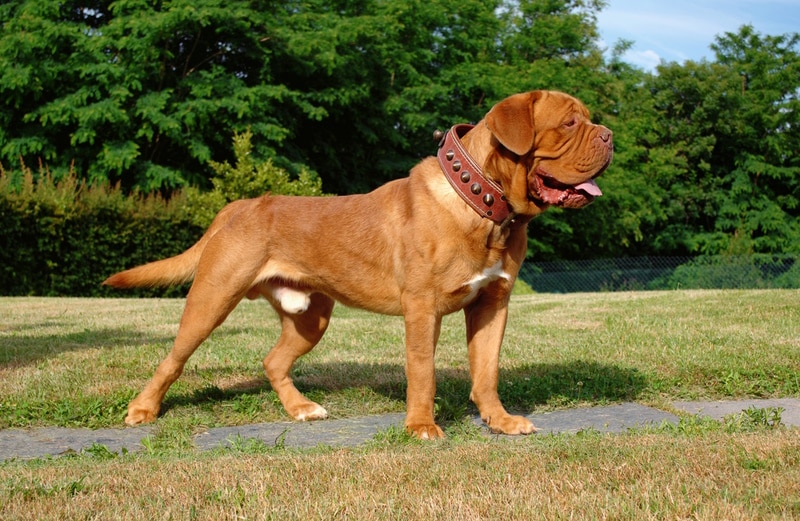
As a lifelong dog lover, I‘ll never forget the first time I met a Dogue de Bordeaux. I was at a local dog park when a massive, wrinkly head emerged from a nearby car. The gentle giant lumbered over to me with a goofy grin, and I was instantly smitten.
While I knew the breed had a relatively short lifespan, I couldn‘t help but marvel at the Dogue‘s imposing yet endearing presence. That chance encounter sparked my interest in learning everything I could about these majestic Mastiffs – especially how to help them live as long and fulfilling lives as possible.
Dogue de Bordeaux Lifespan Expectations
According to a health survey conducted by the Dogue de Bordeaux Society of America (DDBSA), the average lifespan of over 350 Dogues was 6 years and 8 months. The oldest dog in the survey lived to be 14 years and 8 months old, showing that while uncommon, it is possible for this breed to reach their early teens.
However, the survey also revealed that 24.3% of the Dogues passed away between 5-6 years of age. This heartbreaking statistic highlights the importance of understanding the breed‘s unique health challenges and lifespan limitations before bringing a Dogue into your family.
| Cause of Death | Percentage |
|---|---|
| Cancer | 23.5% |
| Bloat | 10.2% |
| Cardiomyopathy | 9.7% |
| Old Age | 8.2% |
Data from DDBSA Health Survey
As you can see, cancer and bloat are two of the leading causes of premature death in Dogues. Let‘s take a closer look at the key factors that influence the Dogue de Bordeaux lifespan and what you can do to help your gentle giant beat the odds.
Factors Influencing Dogue de Bordeaux Lifespan
Genetics
Dr. Jodi Clock, a veterinarian specializing in canine genetics, explains that the Dogue de Bordeaux‘s limited gene pool is a major factor in their short lifespan. "After World War II, the breed nearly went extinct and had to be rebuilt from a small number of surviving dogs. This genetic bottleneck means Dogues are more prone to inheriting certain health issues."
Reputable Dogue breeders prioritize genetic health testing to avoid producing puppies with inherited conditions. Some of the most important tests for the breed include:
- Hip Dysplasia: Orthopedic Foundation for Animals (OFA) or PennHIP
- Elbow Dysplasia: OFA
- Cardiac Exam: OFA
- Thyroid: OFA
- Ophthalmologist Evaluation: Canine Eye Registration Foundation (CERF)
When selecting a Dogue breeder, ensure they perform these tests on their breeding stock and provide proof of certification.
Size and Growth
The Dogue de Bordeaux is a giant breed, with males weighing up to 150 pounds and females up to 130 pounds. Dr. Karen Becker, a proactive and integrative wellness veterinarian, cautions that the breed‘s rapid growth and massive size put immense strain on their joints and internal organs.
"It‘s crucial for Dogue owners to understand the importance of proper nutrition and controlled exercise during their dog‘s growth phase. Overfeeding and overexertion can lead to debilitating orthopedic issues down the line," warns Dr. Becker.
Dogue puppies should be fed a high-quality, large-breed puppy food that supports slow and steady growth. Avoid letting them jump, run on hard surfaces, or engage in repetitive high-impact activities until they reach maturity at 18-24 months old.
Obesity
Obesity is a major risk factor for numerous health problems in dogs, and the Dogue de Bordeaux is no exception. Studies have shown that obesity can decrease a dog‘s lifespan by up to 2.5 years.
Vanessa Hembree, a Dogue de Bordeaux breeder with over 20 years of experience, stresses the importance of keeping Dogues at a healthy weight throughout their lives. "Excess weight puts unnecessary stress on their joints, heart, and other vital organs. It‘s our job as owners to monitor their body condition and adjust their diet and exercise accordingly."
The ideal body condition for a Dogue is one where you can easily feel their ribs and see a defined waist when looking down at them. Work with your veterinarian to determine the appropriate amount of food for your Dogue based on their age, weight, and activity level.
Preventative Care
Regular veterinary check-ups and preventative care are essential for catching and managing health issues early in Dogues. Dr. Clock recommends the following preventative care schedule for the breed:
- 8 weeks: First puppy exam, vaccinations, and deworming
- 10-16 weeks: Booster vaccinations every 2-4 weeks
- 6 months: Spay/neuter, microchipping, and heartworm prevention
- 1 year+: Annual exams, dental cleanings, vaccinations, and screenings
"As Dogues enter their senior years around age 5-6, I recommend increasing check-ups to every 6 months," advises Dr. Clock. "This allows us to detect age-related issues like arthritis, heart disease, and cognitive decline early and intervene with appropriate treatments."
Medical Intervention
Even with the best preventative care, Dogues may still develop health problems that require medical intervention. Some of the most common issues seen in the breed include:
- Hip and elbow dysplasia
- Cardiomyopathy and sub-aortic stenosis
- Bloat (gastric dilatation volvulus)
- Eye problems like cherry eye and entropion
- Skin conditions like demodectic mange and hot spots
- Hypothyroidism
Prompt diagnosis and treatment of these conditions can significantly impact a Dogue‘s quality of life and lifespan. Dr. Becker emphasizes the importance of observing your Dogue for any changes in behavior, appetite, or movement and alerting your veterinarian at the first sign of a problem.
Investing in pet insurance can help alleviate the financial burden of unexpected veterinary expenses for your Dogue. When selecting a policy, look for one that covers breed-specific conditions, hereditary diseases, and emergency care.
A Long-Lived Dogue: Voshky‘s Story
While the average lifespan for a Dogue de Bordeaux is 5-8 years, there are inspiring stories of Dogues that have defied the odds. One such dog was Voshky de la Maison des Anges, a red fawn male from Romania.
Voshky‘s owner, Anca Tomescu, shared that he lived to the incredible age of 16 years and 6 months. When asked what she felt contributed to Voshky‘s longevity, Tomescu said, "I believe it was a combination of good genetics, a balanced diet, moderate exercise, and lots of love and attention."
Tomescu emphasized that she was proactive about Voshky‘s health care, taking him for regular check-ups and addressing any concerns immediately. "I also made sure to keep his mind active with training and puzzle toys, even in his senior years. Keeping him engaged helped maintain his cognitive function."
While Voshky‘s lifespan is exceptionally rare for the breed, his story shows that with dedication and proper care, it is possible for Dogues to live well into their teens.
Supporting Your Dogue Through the Senior Years
As your Dogue de Bordeaux enters their golden years, there are several ways you can support their health and happiness:
-
Adapt their exercise routine: While it‘s important to keep senior Dogues active, they may not be able to handle the same intensity or duration of exercise as their younger years. Focus on shorter, more frequent walks and low-impact activities like swimming.
-
Adjust their diet: Senior Dogues may require a diet lower in calories and fat to maintain a healthy weight. Look for a senior dog food formulated for large breeds that includes joint-supporting ingredients like glucosamine and chondroitin.
-
Make environmental accommodations: Consider adding ramps, non-slip mats, and orthopedic beds to your home to help your senior Dogue navigate more comfortably. Raised food and water bowls can also ease strain on their neck and joints.
-
Prioritize dental care: Dental disease is common in senior dogs and can lead to other health problems. Brush your Dogue‘s teeth daily and schedule regular dental cleanings with your veterinarian.
-
Monitor for signs of cognitive decline: Just like humans, dogs can experience cognitive changes as they age. If you notice your Dogue becoming disoriented, forgetting commands, or eliminating in the house, talk to your vet about possible interventions.
-
Plan for end-of-life care: While it‘s difficult to think about, preparing for your Dogue‘s eventual passing is an important part of responsible ownership. Have an open conversation with your veterinarian about quality of life indicators and palliative care options.
Advancing Dogue de Bordeaux Longevity
The future looks promising for extending the Dogue de Bordeaux lifespan, thanks to advancements in veterinary medicine and breed-specific research. The DDBSA and other Dogue organizations are funding studies on the breed‘s health, with the goal of identifying genetic markers for conditions like heart disease and cancer.
Breeder education is also playing a vital role in producing healthier Dogue litters. "We‘re seeing more and more breeders prioritizing health testing and selective breeding for longevity," says Hembree. "It‘s a slow process, but every generation of Dogues is getting a little bit healthier and longer-lived."
As Dogue owners, we can contribute to this progress by supporting reputable breeders, participating in health surveys, and raising awareness about the breed‘s unique needs. By working together, we can give these incredible dogs the best possible chance at a long and fulfilling life.
The Final Word
Sharing your life with a Dogue de Bordeaux is an extraordinary experience. These gentle giants have a way of stealing your heart with their goofy grins, unwavering loyalty, and larger-than-life personalities. While their lifespan may be shorter than we‘d like, every moment spent with a Dogue is a gift.
By understanding the factors that influence the Dogue de Bordeaux lifespan and taking proactive steps to support their health, we can help our wrinkly companions thrive. From providing a balanced diet and appropriate exercise to staying on top of preventative care and embracing the joys of their senior years, there are countless ways to show our love and devotion to these magnificent Mastiffs.
In the end, the true measure of a Dogue‘s life is not just in the number of years they live, but in the depth of the bond they share with their human family. By cherishing every moment and giving them the best possible care, we can ensure that our Dogues leave a lasting legacy of love and companionship that will be remembered long after they‘ve crossed the rainbow bridge.