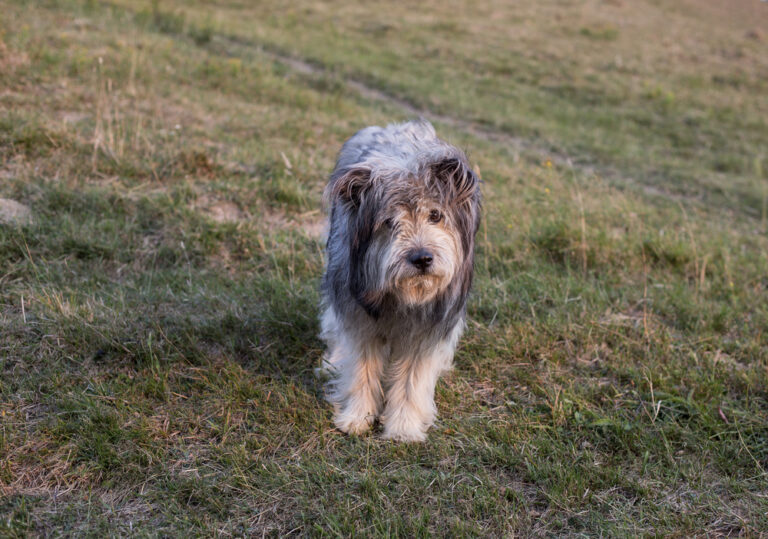
The Fabulous Foodle: A Comprehensive Guide to the Poodle & Toy Fox Terrier Mix

Introduction
Are you looking for a petite pooch with a big personality? Meet the fabulous Foodle! This fun-sized crossbreed combines the intelligence of the Poodle with the spunk of the Toy Fox Terrier for a lively, loving companion. Foodles may be little, but they‘re loaded with charisma.
In this ultimate guide, we‘ll dish out everything you need to know about Foodles, from their history and traits to their care requirements and ideal homes. Whether you‘re considering adding a Foodle to your family or already have one of these cuties, read on for expert tips on helping your pint-sized pal live his best life.
The Origins of the Foodle
Like many designer dogs, the Foodle‘s history is a bit of a mystery. This hybrid likely originated in the United States sometime in the last 20-30 years, as demand grew for small, low-shedding companion dogs. Crossing the hypoallergenic Poodle with the portable Toy Fox Terrier resulted in an adorable, allergy-friendly lapdog suited for modern life.
While Foodles are still fairly rare compared to more established breeds, their popularity has steadily increased over the past decade. Fans adore their outgoing, comedic nature and cute-as-a-button looks. However, it‘s important to note that since Foodles aren‘t purebred, their appearance and temperament can vary significantly between individuals.
Physical Characteristics
So what does a Foodle actually look like? Most weigh 4-6 pounds and stand about 9-11 inches tall at the shoulder as adults. They typically have a lean, proportionate build like the Toy Fox Terrier but with fluffier, curlier fur inherited from the Poodle.
Foodle coats come in a range of colors including:
- Apricot
- Black
- Brown
- Cream
- White
- Parti-color (multi-colored)
The texture tends to be medium-length, soft, and wavy to curly. While Foodles shed minimally compared to many breeds, they‘re not entirely hypoallergenic – no dog is! Allergy sufferers should still spend ample time around a Foodle before committing.
One standout feature of Foodles is their adorably oversized ears, courtesy of the Toy Fox Terrier. These large, triangular ears are always alert and add to the breed‘s cheeky charm. Expressive round eyes, a compact muzzle, and a perky tail complete the Foodle look.
Personality & Temperament
Foodles are known for being outgoing, playful, and affectionate lap dogs who thrive on human companionship. They form exceptionally strong bonds with their favorite person and will follow them from room to room. While Foodles are friendly with everyone, they tend to have a clear number one human.
Like the Toy Fox Terrier, Foodles can be scrappy and aren‘t afraid to stand up for themselves around bigger dogs – or to sound the alarm at every passerby, leaf, and squirrel. These mighty mites are alert watchdogs who take their guard duties seriously. Lots of early socialization is essential to build confidence.
Inside the home, Foodles are bouncy live wires who love games, toys, and learning tricks to please their people. They rarely turn down a chance to play or snuggle! Highly intelligent and eager to learn, they excel at obedience, agility, and other dog sports. Just keep sessions short and fun to hold their attention.
While Foodles can adapt to many living situations including apartments, they‘re best suited for homes without small children. These fragile furballs can easily get injured by accidental rough handling. Older kids and adults who can treat them gently make ideal Foodle owners.
Foodles also shouldn‘t live with tiny pets like hamsters or birds due to their strong prey drive. With proper introductions, they can coexist with cats and other dogs. However, Foodles may pester or bully their furry roommates into playing if left unsupervised. Supervise early interactions closely.
Exercise & Training Needs
Despite their diminutive size, Foodles have moderate to high exercise needs and require at least 45-60 minutes of activity daily. Brisk walks, games of fetch, and backyard romps help them burn off energy constructively. Without enough exercise, Foodles can become bored and destructive.
In addition to physical activity, Foodles need plenty of mental stimulation to stay happy and out of trouble. Food puzzles, hide-and-seek, trick training, and nose work all exercise their brains. Aim for several short training sessions (5-15 minutes) throughout the day rather than one long one.
When leash training your Foodle, use a harness instead of just a collar to protect his delicate neck and windpipe. Let him wear the harness around the house before trying to attach the leash. Offer treats and praise to build a positive association. If your Foodle puts on the brakes, be patient and never jerk the leash. Lure him forward with toys and high-value rewards like chicken.
Start socializing your Foodle from a young age (after vaccinations) to help him become a confident, well-mannered adult. Puppy classes provide a safe, structured setting to meet new people and dogs. Just supervise interactions with bigger puppies closely and separate them if play becomes too boisterous for your little one‘s safety.
Housetraining can be challenging since Foodles have tiny bladders, but consistency and positive reinforcement are key. Take your pup out first thing in the morning, after meals, naps, and playtime. Reward him with a treat and praise immediately when he goes in the right spot. Never punish accidents – it will only make him scared to go in front of you.
Grooming & Care
Foodles require moderate grooming to keep their lustrous locks free of tangles and mats. Brush your Foodle at least 2-3 times per week with a soft bristle brush or metal comb, more often if his coat is long or thick. Regular brushing also massages the skin, distributes natural oils, and creates a shiny, healthy coat.
Bathe your Foodle every 4-6 weeks or as needed with a gentle, dog-safe shampoo. Take care not to get water in his ears and dry him thoroughly afterward, especially in cold weather. Trim the fur around his eyes, ears, paws, and sanitary areas as needed for comfort and hygiene.
Other grooming needs include:
- Toothbrushing (ideally daily or at least 2-3 times per week)
- Nail trims (usually every 3-4 weeks)
- Ear cleaning (check weekly and wipe as needed with a cotton ball and dog-safe ear cleaner)
Feeding your Foodle a high-quality, age-appropriate diet and maintaining a healthy weight will help prevent many health issues down the road. Most do well with 1/4 to 1/2 cup of kibble per day, split into 2-3 meals. Avoid free feeding to prevent obesity. Always provide access to fresh, clean water.
Health & Lifespan
Although generally healthy, Foodles can be prone to certain genetic conditions including:
- Patellar Luxation: Dislocation of the kneecap, causing lameness
- Legg-Calve-Perthes Disease: Degeneration of the hip joint
- Progressive Retinal Atrophy (PRA): Gradual vision loss
- von Willebrand‘s Disease: A blood clotting disorder
- Hypothyroidism: Underactive thyroid gland
Not all Foodles will develop these issues, but it‘s important to be aware of them. Choose a responsible breeder who health tests breeding stock and provides warranties. With proper care, Foodles typically live 12-16 years.
Where to Find a Foodle
When searching for a Foodle puppy, prioritize reputable breeders who health test parents, raise pups in the home, and provide a written contract. Expect to pay $1,500 to $4,000 for a well-bred Foodle puppy, and be prepared to join a waitlist.
Avoid pet stores and online sellers that ship puppies sight unseen. These pups often come from puppy mills and have health and behavior issues. You can also check Foodle rescue groups and shelters, though these dogs may be harder to find.
Final Thoughts
Is a Foodle the right dog for you? If you‘re looking for a pint-sized companion with a huge heart and even bigger personality, this peppy little crossbreed may be your perfect match. Affectionate and amusing, Foodles can fit into many households.
However, Foodles aren‘t ideal for homes with small children or pocket pets due to their fragility and prey drive. They also require lots of companionship and can develop separation anxiety if left alone too much. Consistent training and socialization are a must.
If you can provide a Foodle with the exercise, attention, and care he needs, you‘ll be rewarded with a devoted best friend who‘s always ready to play, cuddle, and make you laugh. These charismatic little charmers wiggle their way into your heart and never let go!