Great Dane vs Labrador Retriever: A Dog Lover‘s In-Depth Guide
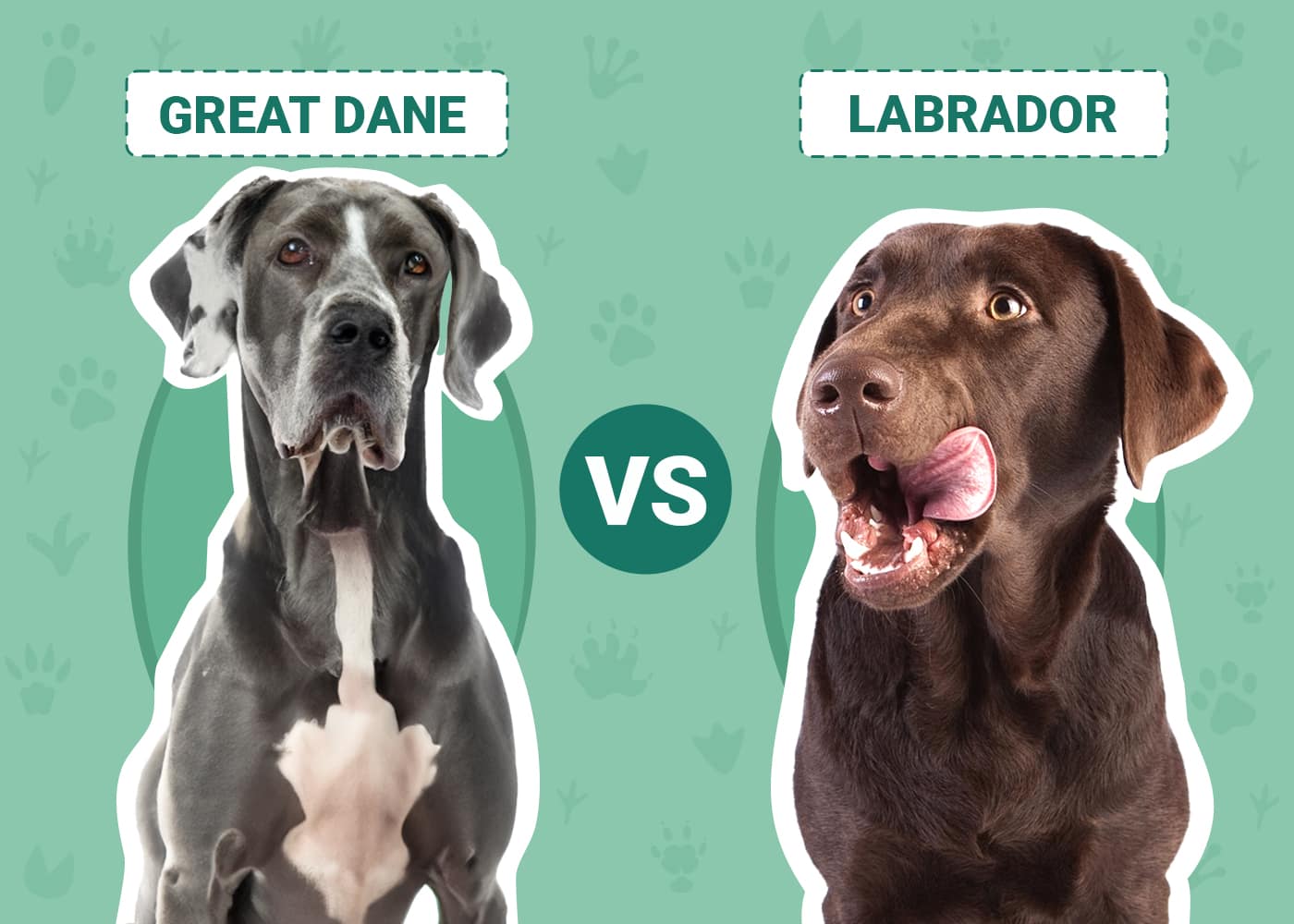
For dog lovers trying to decide between two of America‘s most beloved breeds, the Great Dane and the Labrador Retriever, it can be a tough choice. Both of these good-natured giants have stolen countless hearts with their affectionate, loyal personalities. But beyond their shared status as excellent family dogs, the similarities start to diverge.
As a canine enthusiast and veterinary expert, I‘m here to take you on a journey into the unique world of the Great Dane vs Labrador Retriever. We‘ll explore the history, traits, care needs, and quirks that make each breed special, so you can determine which gentle giant or lively retriever is the ideal fit for your lifestyle. Let‘s dive in!
Breed Popularity and Origins
Both the Great Dane and Labrador Retriever consistently rank among the most popular breeds in the United States according to American Kennel Club (AKC) registration statistics. In 2023, the Labrador Retriever celebrated its 32nd consecutive year as America‘s favorite dog, while the Great Dane held the 17th spot.
But these breeds took very different paths to achieving their celebrity status. The Great Dane, despite its name, is actually a German breed with a lineage dating back to the Middle Ages. Originally used for hunting wild boar and other large game, Danes later transitioned into estate guardians and status symbols among German nobility.
The Labrador Retriever, on the other hand, hails from the island of Newfoundland off the northeast coast of Canada. These strong, hardy dogs were bred to help fishermen haul nets, pull ropes, and retrieve fish in the icy North Atlantic waters. Their outstanding swimming ability, obedience, and friendly nature made them indispensable working partners.
| Breed | Popularity Rank (2023) | Country of Origin | Original Purpose |
|---|---|---|---|
| Great Dane | 17 | Germany | Hunting & guarding |
| Labrador Retriever | 1 | Canada | Fishing & retrieving |
Physical Characteristics
One of the most striking differences between the Great Dane and Labrador Retriever is size. Male Great Danes tower at 30-32 inches and weigh a whopping 140-175 pounds on average, while females stand 28-30 inches and weigh 110-140 pounds. Some males can even surpass 200 pounds! In contrast, male Labradors weigh a more manageable 65-80 pounds and females 55-70 pounds.
| Characteristic | Great Dane | Labrador Retriever |
|---|---|---|
| Height (male) | 30-32" | 22.5-24.5" |
| Height (female) | 28-30" | 21.5-23.5" |
| Weight (male) | 140-175 lbs | 65-80 lbs |
| Weight (female) | 110-140 lbs | 55-70 lbs |
Dr. Jerry Klein, Chief Veterinary Officer for the AKC, emphasizes the major lifestyle considerations that come with giant breeds like Great Danes. "These dogs take up a lot of space and can accidentally knock things over or even small children down. They need room to move around, and their crates, beds, and food bags are going to be oversized."
Both breeds have short, dense coats that shed moderately and come in three standard colors:
| Breed | Coat Colors |
|---|---|
| Great Dane | Fawn, brindle, black, blue, harlequin, mantle |
| Labrador Retriever | Black, chocolate, yellow |
Temperament and Personality
Where the Great Dane and Labrador Retriever really shine is in their famously friendly, people-oriented personalities. Both breeds tend to be patient and gentle with children, making them beloved family dogs. In temperament tests measuring stability, aggressiveness, and friendliness, both Danes and Labs consistently achieve passing rates above 80%.
| Breed | Temperament Test Passing Rate |
|---|---|
| Great Dane | 79.7% |
| Labrador Retriever | 92.3% |
However, there are some key differences between the two breeds‘ demeanors. Gina DiNardo, executive secretary for the AKC, describes the Great Dane as a "gentle giant who is easygoing and mild-mannered." She notes that while they may look imposing, Danes are often big softies who greet visitors with affectionate leaning and tail wags.
Labrador Retrievers, in contrast, are known for being outgoing, energetic, and almost always enthusiastic. "They have an insatiable zest for life," says DiNardo. "Labs tend to maintain their puppy-like playfulness and energy long into adulthood." Their intelligence and eagerness to please also makes them highly trainable.
Exercise Needs
Both breeds need regular exercise to stay physically and mentally fit, but the Labrador Retriever‘s activity needs are significantly higher. Danes are content with a couple 20-30 minute walks per day and some playtime, while Labs often need 60-90 minutes of high-intensity exercise.
Dr. Klein points out that giant breeds like Great Danes are actually more prone to orthopedic issues if over-exercised, especially when young. "It‘s crucial to let their growth plates close before doing a lot of high-impact activities or you risk causing long-term joint damage. Mental exercise through training is great though."
Labrador Retrievers, bred for physically demanding fieldwork, have impressive endurance in contrast. DiNardo explains that "Labs often seem to have two speeds: full tilt and sleeping. They love being active and make great companions for hiking, swimming, and playing fetch for hours." Many also excel in dog sports like agility and dock diving.
Training and Socialization
Early training and socialization is essential for both Great Danes and Labrador Retrievers to become well-mannered companions. As large, strong dogs, teaching them leash manners, basic obedience, and impulse control is a must for safety.
| Breed | Key Training Considerations |
|---|---|
| Great Dane | Gentle consistency (harsh methods can cause shutting down), confidence building, lots of positive reinforcement |
| Labrador Retriever | Harnessing food/toy drive, mental stimulation, advanced obedience/trick training |
Labradors are ranked the 7th smartest dog breed by canine psychologist Stanley Coren, known for their keen intelligence and trainability. DiNardo notes that "many Labs are such quick learners that they can actually get bored and mischievous if not given enough to do. They tend to thrive with ongoing training throughout their life."
Great Danes may not have the Lab‘s laser focus, but they still respond very well to positive reinforcement training according to certified dog trainer Jill Haley Rose. "The key with Danes is building their confidence with a lot of encouragement and rewards. They can be emotionally sensitive, so keeping things upbeat is important."
Health and Lifespan
One of the major differences between Great Danes and Labrador Retrievers is lifespan. Like many giant breeds, Danes have a sadly short average lifespan of just 7-10 years. In contrast, Labs typically live 10-12 years.
Great Danes are prone to several serious health conditions:
- Gastric torsion (bloat)
- Cardiomyopathy
- Hip dysplasia
- Bone cancer (osteosarcoma)
Careful breeding, preventive care, and feeding a high-quality diet formulated for giant breeds can help maximize a Dane‘s years.
Labrador Retrievers are generally healthy, but also have some common health concerns:
- Hip and elbow dysplasia
- Eye disorders (PRA, cataracts)
- Exercise-induced collapse
- Obesity
Dr. Klein advises that obesity is one of the biggest threats to a Lab‘s longevity. "Labs tend to be very food motivated, to the point that they seem to have no ‘off switch‘ when it comes to eating. Strict portion control and keeping them active is key to avoiding weight-related diseases."
Grooming and Care
Both the Great Dane and Labrador Retriever have fairly low-maintenance coats, but there are still some important grooming considerations. Danes need weekly brushing and occasional baths, while Labs benefit from more frequent brushing (especially during shedding season) and regular ear cleaning to prevent infections.
Of course, one major difference in caring for a Dane vs a Lab is the sheer size of everything. A Dane will go through several XL bags of food per month, need a bigger vehicle for transport, and require a giant sized bed and crate. Vet costs can also be higher, as often more anesthesia and larger doses of medication are needed.
"Owning a giant breed dog is rewarding, but comes with a lot more spatial and financial considerations," says Dr. Klein. "Make sure you truly have the room in your life and budget."
Which Breed is Right For You?
Deciding between a Great Dane vs Labrador Retriever ultimately comes down to your lifestyle, preferences, and home situation. Both breeds shower their owners with affection and make outstanding family companions in the right circumstances.
Dane devotee Jill Haley Rose says the biggest things to consider are space and cost. "If you can handle a dog that takes up half the couch and have a giant-sized budget for food and care, the Dane is an unmatched gentle companion. They make your heart swell with their sweetness."
According to DiNardo, Labrador Retrievers are ideal for active folks who can meet their needs for exercise and mental stimulation. "A Lab is happiest when they‘re out doing things with you, whether that‘s a hike, a swim, or training for a new dog sport. They have boundless enthusiasm for life and can go all day."
Whichever breed you choose, both the Great Dane and Labrador Retriever have an abundance of love to give. Do extensive research, choose a responsible breeder, and prepare to dedicate ample time and care. In return, you‘ll have an incredible canine companion to share your life with.