The Loving and Low-Shedding Bernedoodle: Is This Poodle-Bernese Mountain Dog Mix Right For You?
Are you looking for an intelligent, gentle, and low-shedding family dog? The Bernedoodle, a cross between a Bernese Mountain Dog and Poodle, could be your ideal companion. With their teddy bear looks and pleasant temperament, Bernedoodles have soared in popularity in recent years. But is this designer hybrid a good fit for your lifestyle and home? Let‘s take an in-depth look at the charming Bernedoodle to help you decide.
What is a Bernedoodle?
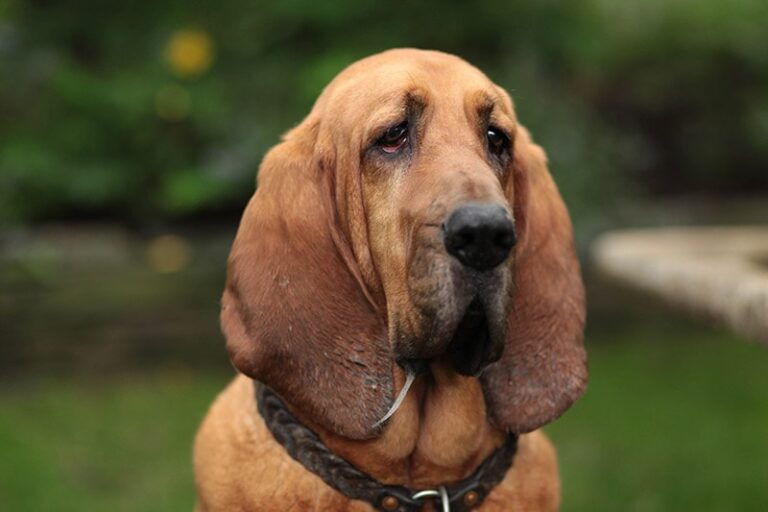
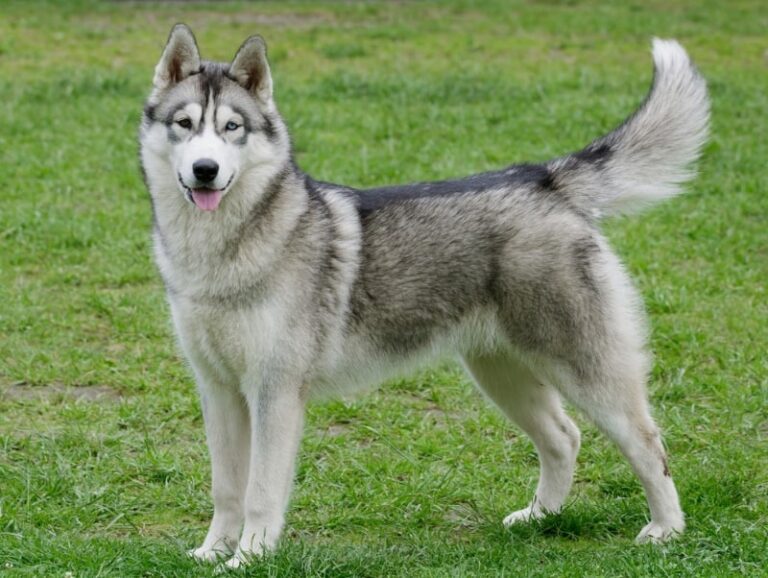
The Bernedoodle is a fairly new mixed breed dog, developed in 2003 by breeder Sherry Rupke of Swissridge Kennels in Canada. Rupke‘s goal was to create a low-shedding and allergy-friendly dog with the gentle, affectionate nature of the Bernese Mountain Dog. To achieve this, she crossed a Bernese with a Poodle. The resulting Bernedoodle puppies possessed many of the positive traits from both parent breeds.
There are three main sizes of Bernedoodle:
- Standard Bernedoodle: 23-29 inches tall and 50-90 pounds, a cross between a Standard Poodle and a Bernese
- Mini Bernedoodle: 18-22 inches tall and 25-50 pounds, a cross between a Mini Poodle and a Mini Bernese
- Tiny Bernedoodle: 12-17 inches tall and 10-25 pounds, a cross between a Toy Poodle and a Mini Bernese
While first-generation Bernedoodles are a 50/50 mix of Bernese and Poodle, breeders may also breed Bernedoodles with Poodles or other Bernedoodles. It‘s important to note that, as a mixed breed, Bernedoodles are not recognized by the American Kennel Club. However, they can be registered with the American Canine Hybrid Club, Designer Dogs Kennel Club, and other organizations.
Bernedoodle Appearance
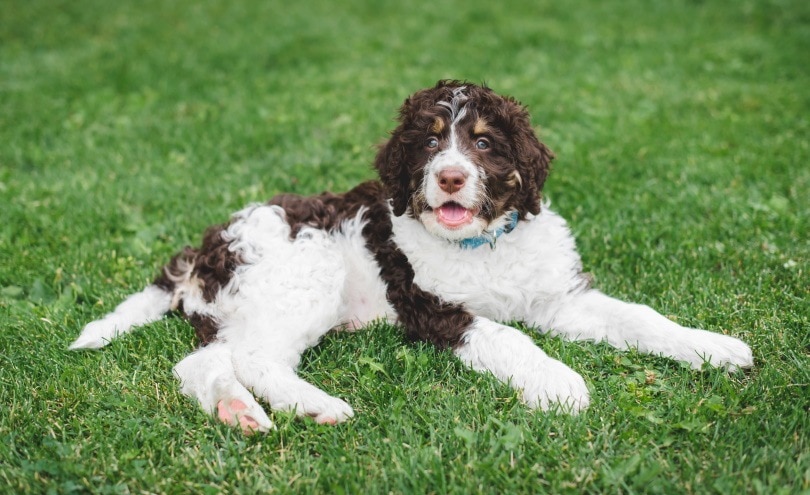
One of the Bernedoodle‘s most endearing qualities is their cute, shaggy appearance that resembles a living teddy bear. They have a sturdy, well-proportioned build with a round head, floppy ears, and a plumed tail.
Bernedoodles can take on traits from either parent breed, so their appearance can vary somewhat. Most have a wavy or curly coat from the Poodle side, with common colors including:
- Black
- Black and white
- Black, white, and brown
- Sable
- Merle
The exact color pattern a Bernedoodle inherits depends on the genetics of their Bernese Mountain Dog parent. Solid-colored Bernedoodles are possible but less common.
Bernedoodle Temperament
Bernedoodles are known for combining many of the best traits from their parent breeds, especially when it comes to temperament. From the Bernese side, they inherit a calm, gentle nature. They tend to be patient and tolerant dogs that do well with children.
From the Poodle side, Bernedoodles gain smarts and a playful spirit. They are quick learners and enjoy having a job to do. Many also have a silly streak and love to clown around with their humans.
As with any dog breed, temperament can vary between individual Bernedoodles based on factors like socialization and training. In general though, you can expect a Bernedoodle to be:
- Friendly and outgoing
- Loyal to their family
- Patient and gentle with kids
- Highly trainable
- Playful
- Affectionate and people-oriented
Bernedoodles get along well with other pets too, especially if socialized from a young age. They aren‘t known for having a high prey drive, but they may inherit some chasing instincts from the Poodle side.
While Bernedoodles can adapt to various living situations, they do best in a home where they receive lots of interaction and are included in family activities. They don‘t like to be left alone for long periods and may develop separation anxiety.
Training Your Bernedoodle
The Bernedoodle‘s intelligence and desire to please makes them highly trainable dogs. To ensure your Bernedoodle puppy grows into a well-mannered adult, start training early and use positive reinforcement techniques.
Socialization is also key for Bernedoodles. Expose your puppy to many different people, places, other dogs, and situations to help them gain confidence. Well-run puppy classes are a great way to start this process.
Some training tips for Bernedoodles:
- Keep training sessions short and fun – Bernedoodles can get bored with repetition
- Focus on reward-based training with treats or praise
- Be consistent with rules and gentle corrections
- Provide plenty of mental stimulation with puzzle toys, games, and tricks
- Help curb any jumping/mouthing by redirecting to a toy and rewarding calm behavior
- Work on alone-time training to prevent separation anxiety
With their working dog background, Bernedoodles often excel at canine sports like agility, rally, and dock diving. Getting involved in these activities is a great way to strengthen your bond and provide the mental exercise Bernedoodles crave.
Exercising Your Bernedoodle
Bernedoodles have moderate to high exercise needs. Expect to provide at least 30-60 minutes per day of active play and movement. This can include brisk walks, hiking, swimming, fetching, and dog sports.
Without enough exercise, Bernedoodles may become bored and destructive. They need a good outlet for their energy. Having a fenced yard where a Bernedoodle can run around is ideal, but they can adapt to apartment living as long as they get their daily activity in.
In addition to physical exercise, be sure to provide mental stimulation for your Bernedoodle. Puzzle feeders, stuffed Kongs, nosework games, and learning new tricks are all great ways to engage their intelligent brains.
Grooming a Bernedoodle
Bernedoodles usually have a low- to non-shedding coat, thanks to the Poodle influence. Many people with allergies do well with a Bernedoodle. However, that coat requires a fair amount of maintenance.
Plan to brush your Bernedoodle at least 2-3 times per week, daily during shedding season for curly coats. This helps prevent mats and tangles. Professional grooming every 6-8 weeks to trim the coat is also recommended.
In addition to coat care, you‘ll need to attend to other grooming needs like:
- Regular tooth brushing
- Nail trims
- Ear cleaning
- Baths every 4-6 weeks
Getting your Bernedoodle puppy used to being brushed and handled from a young age will make grooming easier throughout their life.
Bernedoodle Health and Lifespan
Bernedoodles are generally a healthy breed with an average lifespan of 12-15 years. However, they can be prone to some of the same genetic health issues as their parent breeds, including:
- Hip and elbow dysplasia
- Eye problems like progressive retinal atrophy
- Certain cancers
- Skin issues like allergies and hot spots
- Hypothyroidism
- Von Willebrand‘s disease
- Bloat
Many responsible Bernedoodle breeders perform health testing on their breeding dogs to help minimize the risk of passing on inherited disorders. When getting a Bernedoodle puppy, ask the breeder about health tests and for a health guarantee.
To keep your Bernedoodle healthy, feed a high-quality diet, keep up with preventative care like vaccines and parasite control, and schedule regular check-ups with your vet. Proper exercise and weight management is also important for preventing joint issues down the line.
Finding a Bernedoodle
If you‘ve decided that a Bernedoodle is the right dog for you, it‘s important to find an ethical breeder or rescue group. Avoid getting a Bernedoodle puppy from a pet store or online seller, as these pups often come from puppy mills.
Research breeders thoroughly and meet them in person when possible. Good breeders will be transparent about their dogs‘ health and temperaments, and will want to make sure you‘re a good fit too. Expect to be put on a waitlist, as most reputable Bernedoodle breeders don‘t have many litters per year.
Adopting a Bernedoodle is another great option. While they are a rare find in shelters, you may have some luck with breed-specific Poodle or Bernese Mountain Dog rescues. Some rescue groups are even dedicated to rehoming doodle mixes.
Bernedoodle Price
The cost of a Bernedoodle puppy from a reputable breeder typically ranges from $2500 to over $5000, depending on size, color, and coat type. Mini and tiny Bernedoodles tend to be on the higher end of the price spectrum.
The cost of feeding a Bernedoodle averages $50-100 per month, depending on the size of your dog and the quality of food. Grooming costs can add another $500+ per year if you go to a professional groomer.
Additional expenses include regular vet care, parasite prevention, toys and supplies, training, and pet sitting or boarding. In total, expect to spend at least $1000-2000 per year taking care of your Bernedoodle.
Is a Bernedoodle Right For You?
Bernedoodles can make wonderful companions for the right person or family. Their intelligence, friendliness, and low-shedding coats are appealing qualities. On the flip side, they do require a good amount of exercise, training, and grooming.
You may be a good fit for a Bernedoodle if you:
- Have an moderately active to active lifestyle
- Want an affectionate and loyal dog to include in your daily life
- Enjoy training and are committed to socialization
- Don‘t mind regular brushing and trips to the groomer
- Have the time and financial means to care for a dog over the next 12+ years
A Bernedoodle may not be the best choice if you work very long hours, have a mostly sedentary lifestyle, or don‘t have much experience with dogs.
Of course, these are generalizations, and every Bernedoodle is an individual. The best way to decide if this hybrid breed is a good fit is to meet some in person, talk to owners and reputable breeders, and do your research.
With their teddy bear looks and heart of gold, the Bernedoodle has become a beloved companion dog for countless families. If you‘re looking for a loving, smart, and moderately active dog to share your life with, this Bernese Mountain Dog-Poodle mix may just win you over.