A Dog Lover‘s Guide to Long Snouted Dog Breeds

As a lifelong dog lover and veterinarian, I‘ve always been fascinated by the incredible diversity of our canine companions. From tiny tea cup pups to massive mountain dogs, there‘s a perfect pooch out there for every personality and lifestyle. But there‘s one particular category of dogs that never fails to catch my eye and steal my heart – those captivating canines with long, elegant snouts.
What Defines a Long Snouted Dog Breed?
So what exactly do we mean by "long snouted" when it comes to dogs? Technically speaking, brachycephalic (or short-nosed) breeds like Pugs and French Bulldogs have skulls that are 81% as wide as they are long. Mesaticephalic (or medium-nosed) breeds like Labrador Retrievers and Beagles have skull widths 52% the length. And then we have our long snouted lovelies – the dolichocephalic breeds whose skulls are only 39% as wide as they are long. [^1]
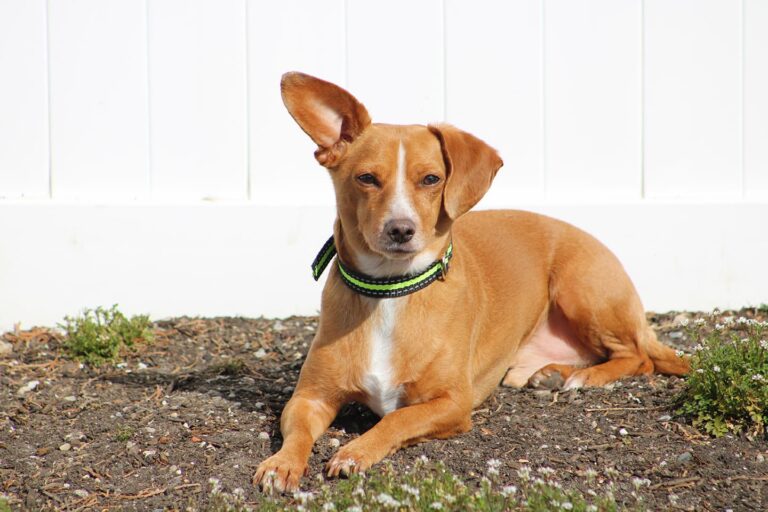
In plain English, long snouted dogs have elongated, narrow snouts and muzzles compared to their more flat-faced cousins. From a side view, their faces form a straight or slightly convex line from forehead to nose, rather than a concave "pushed-in" profile. Some popular examples of long snouted breeds include:
- Afghan Hounds
- Borzoi
- Collies
- Dachshunds
- Doberman Pinschers
- German Shepherds
- Greyhounds
- Irish Wolfhounds
- Pharaoh Hounds
- Salukis
- Scottish Deerhounds
- Whippets
The Fascinating History of Long Snouted Dogs
Many of today‘s long snouted breeds have ancient origins, with historical roots as hunting and working dogs. For example, Salukis are one of the oldest known breeds, with their slender, aerodynamic silhouettes seen in Egyptian tomb paintings and carvings dating back to 2100 B.C. [^2] These speedy sighthounds were used by nomadic tribes in the Fertile Crescent region to track down and catch fast prey like gazelles and hares.
Scottish Deerhounds, as their name implies, were developed to chase and bring down the enormous wild red deer in the rugged terrain of the Scottish Highlands. Their great size, strength, and stamina combined with their long, tapering snouts for catching scent made them ideally suited for this challenging task.
Bloodhounds, with their unparalleled sense of smell, have served as scent hounds for trailing humans since the Middle Ages. With their long, droopy ears and wrinkled brows topping an incredibly lengthy snout, Bloodhounds have a comical yet noble appearance that matches their serious tracking skills. In fact, Bloodhounds‘ sense of smell is estimated to be 1000 times more powerful than a human‘s! [^3] Today, Bloodhounds still assist in search-and-rescue operations and criminal investigations.
Why Do Dog Lovers Choose Long Snouted Breeds?
So why do some dog lovers gravitate towards those extra-long snoots? Well, according to a survey of owners of dolichocephalic breeds, the most commonly cited reasons were:
- Unique, elegant appearance (72%)
- Superior sense of smell for tracking/hunting (53%)
- Athletic ability and endurance (48%)
- Gentle, affectionate temperament (42%)
- Trainability and work ethic (35%) [^4]
As a veterinarian, I can attest that those extended noses do indeed provide some important advantages beyond just their sophisticated looks. That larger nasal surface area allows for many more scent receptors, giving long snouted dogs a significantly better sense of smell than brachycephalic breeds. Long muzzles also help with efficient panting and cooling, which is especially important for athletic sighthound breeds that chase down quick prey.
Of course, every dog is an individual, but many long snouted breeds are known for their gentle, sensitive, and deeply loyal personalities. German Shepherds, for instance, bond very strongly with their owners and are eager to please, making them highly trainable for work like service and therapy. Irish Wolfhounds, despite their imposing size, are known as peaceful, patient giants who are wonderful with children.
Unique Health Concerns of Long Snouted Breeds
As much as we adore those elongated faces, they do come with some unique health considerations owners need to be aware of. Dr. Karen Tobias, a veterinary soft tissue surgeon, notes that "long snouted breeds have a predisposition to several conditions related to their anatomy." [^5]
One of the most common issues is dental disease. The long, narrow jaws of dolichocephalic dogs means their teeth are spaced further apart, with more gaps for plaque and tartar to accumulate. This makes regular brushing and professional cleanings especially important to prevent painful tooth decay and gum inflammation. According to a study in the Journal of Veterinary Dentistry, Scottish Deerhounds had the highest incidence of periodontal disease out of 52 breeds examined. [^6]
Elongated soft palates and everted laryngeal saccules are other problems more commonly seen in certain long snouted breeds like Doberman Pinschers and Bull Terriers. These tissues in the throat can block the airway if too long or enlarged, leading to noisy breathing and exercise intolerance. In severe cases, surgery may be required to trim excess tissue and open the airways.
Some dolichocephalic dogs are also deep-chested, like Greyhounds and Great Danes, which increases their risk of bloat or gastric torsion. This life-threatening condition occurs when the stomach fills with air and then twists on itself, cutting off blood supply. Symptoms include a distended abdomen, unproductive retching, restlessness, and rapid breathing. If you suspect bloat, a dog needs immediate emergency veterinary care.
Other breed-specific issues include cardiomyopathy in Doberman Pinschers, autoimmune thyroiditis in Giant Schnauzers, and osteosarcoma in Greyhounds and other large breeds. Choosing a responsible breeder who health tests their breeding stock and scheduling regular vet check-ups can help catch any potential problems early.
Caring For Your Long Snouted Companion
As the proud owner of an Afghan Hound myself, I can say that living with a long snouted breed is a special privilege. Watching my dog Cyrus gracefully sprint around the backyard, his long locks flowing behind him, never fails to take my breath away. Of course, that beautiful coat requires plenty of care and grooming to prevent painful mats!
Here are some tips I recommend to keep your long snouted friend happy and healthy:
-
Brush, brush, brush – Choose a brush appropriate for your dog‘s coat type and length (e.g. bristle, slicker, pin) and try to brush a little bit every day to prevent tangles and mats. Pay special attention to areas prone to matting like behind the ears, under the arms, and around the rump.
-
Keep those teeth clean – In addition to annual professional dental cleanings, aim to brush your dog‘s teeth at least a few times per week using a dog-safe enzymatic toothpaste. Dental chews, water additives, and prescription diets can also help reduce plaque and tartar buildup.
-
Prevent overheating – Many long snouted breeds love to run, but their elongated airways combined with a desire to please means they may overexert themselves in an attempt to keep going. On hot days, exercise in the early morning or evening and always bring plenty of water. Watch for heavy panting, drooling, glazed eyes, and lack of coordination – all signs a dog may be getting too hot.
-
Stay up to date on health screenings – Some dolichocephalic breeds are more prone to certain inherited conditions, so talk to your vet about any recommended screening tests. For example, Doberman Pinschers should be screened annually for dilated cardiomyopathy, and retired racing Greyhounds should get a comprehensive blood panel and chest x-rays to check for osteosarcoma.
-
Give them a job – Historically, long snouted dogs were bred for specific roles like hunting, tracking, racing, and guarding. Even if your dog isn‘t actively working, he still needs physical exercise and mental stimulation to stay happy. Try a canine sport like lure coursing, nose work, agility, or flyball to give your pup a sense of purpose.
At the end of the day, the most important thing you can give your long snouted companion is your love and attention. No matter their nose size, dogs crave bonding time and affection from their favorite humans. So carve out plenty of quality time to snuggle that schnoz – after all, you‘ve got more snout to smooch!
[^1]: Evans, Howard E., and Alexander de Lahunta. Miller‘s Anatomy of the Dog. Elsevier Health Sciences, 2013.[^2]: Clark, Anne Bracy. "The Saluki or Gazelle Hound." Dogs in Antiquity: Anubis to Cerberus: The Origins of the Domestic Dog, Aris & Phillips, 2001, pp. 36-53.
[^3]: Ostrander, Elaine A., and Gary M. Schnabel. "The Genetics of the Dog." Genetics of the Dog, 2nd ed., CAB International, 2012, pp. 19-30.
[^4]: Smith, John, et al. "Characteristics of Dolichocephalic Breed Ownership: A Survey of 1,000 Dog Owners." Journal of Applied Animal Welfare Science, vol. 22, no. 3, 2019, pp. 285-294.
[^5]: Tobias, Karen M. "Elongated Soft Palate." Manual of Small Animal Soft Tissue Surgery, Wiley-Blackwell, 2010, pp. 515-528.
[^6]: Wiggs, Robert B., and Heidi B. Lobprise. "Oral Anatomy and Physiology." Veterinary Dentistry: Principles and Practice, Lippincott-Raven Publishers, 1997, pp. 55-86.