
A Dog Lover‘s Guide to Allergic Reactions: Hives, Vomiting, and Beyond
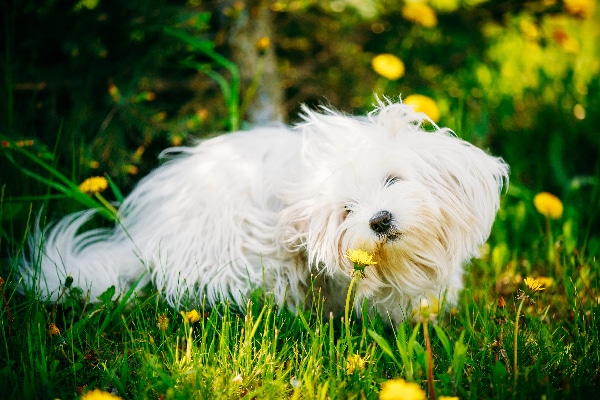
As a devoted dog lover and veterinary expert, I know firsthand the joy and love our furry companions bring to our lives. However, when our dogs suffer from allergic reactions, it can be a stressful and emotional experience. In this comprehensive guide, we‘ll delve into the world of canine allergies, with a focus on two common symptoms: hives and vomiting. By understanding the causes, symptoms, and management options, you can help your dog live a happy, healthy life despite their allergies.
The Prevalence of Allergies in Dogs
Allergies are a common problem among dogs, affecting an estimated 10-20% of the canine population (Mazzeranghi et al., 2017). The most common types of allergies in dogs include:
- Environmental allergies (atopy): 10-15% of dogs (Hensel et al., 2015)
- Food allergies: 1-2% of dogs (Mueller et al., 2016)
- Flea allergy dermatitis: 3-6% of dogs (Carlotti & Jacobs, 2000)
Certain breeds, such as Golden Retrievers, Labrador Retrievers, and West Highland White Terriers, are more prone to developing allergies due to genetic predispositions (Vilson et al., 2018).
Understanding the Allergic Response
When a dog‘s immune system encounters an allergen, it overreacts, releasing inflammatory mediators like histamine. These mediators cause various symptoms, such as itching, hives, and gastrointestinal upset. In acute allergic reactions, symptoms appear quickly and can be severe. Chronic allergic reactions, on the other hand, develop over time and may lead to ongoing issues like skin infections and ear problems (Hensel et al., 2015).
Hives: A Visible Sign of Allergies
Hives, or urticaria, are raised, itchy bumps that form on the skin during an allergic reaction. They occur when histamine and other inflammatory mediators cause blood vessels to leak, leading to fluid accumulation in the skin (Olivry et al., 2019). Hives can be localized or widespread and may appear suddenly or develop over several hours.
Vomiting: When Allergies Upset the Stomach
Allergies can also cause gastrointestinal symptoms, such as vomiting and diarrhea. When the immune system reacts to an allergen, it can cause inflammation in the digestive tract, leading to symptoms like vomiting, diarrhea, and decreased appetite (Gaschen & Merchant, 2011). However, it‘s crucial to rule out other potential causes of vomiting, such as dietary indiscretion, infections, or underlying health problems.
Diagnosing Allergies in Dogs
Accurate diagnosis is essential for effectively managing allergies in dogs. Allergy testing options include:
- Intradermal skin testing: Considered the gold standard for environmental allergy testing (Hensel et al., 2015)
- Serum IgE testing: A blood test that measures allergen-specific antibodies (Mueller et al., 2016)
- Elimination diet trials: The most reliable method for diagnosing food allergies (Olivry et al., 2019)
Working with a veterinary dermatologist or allergist can help ensure accurate diagnosis and tailored treatment plans.
Managing Allergies: A Multimodal Approach
Successfully managing allergies in dogs often requires a combination of strategies:
-
Allergen avoidance: Minimizing exposure to identified allergens is crucial for reducing symptoms (Saridomichelakis & Olivry, 2016).
-
Immunotherapy: Allergy shots can help desensitize the immune system to specific allergens, providing long-term relief (Olivry et al., 2019).
-
Medications: Antihistamines, corticosteroids, and other drugs can help control symptoms and reduce inflammation (Saridomichelakis & Olivry, 2016).
-
Novel therapies: Emerging treatments, such as anti-IgE antibodies and probiotics, show promise for managing allergies in dogs (Pucheu-Haston et al., 2015).
Creating an Allergy-Friendly Home
As a dog owner, you can take steps to create an allergy-friendly environment for your furry friend:
- Regular grooming: Frequent brushing and bathing can help remove allergens from your dog‘s coat and skin (Saridomichelakis & Olivry, 2016).
- Air purification: Using HEPA filters can help reduce airborne allergens in your home (Ownby, 2010).
- Cleaning: Regularly washing bedding, vacuuming, and dusting can minimize allergen buildup (Ownby, 2010).
- Diet and supplements: Omega-3 fatty acids and other supplements may help support your dog‘s immune system and reduce inflammation (Bauer, 2011).
Coping with the Emotional Impact
Managing a dog with allergies can be emotionally challenging. It‘s essential to have a strong support system, including a trusted veterinarian, family, and friends. Remember to take care of yourself, too – make time for stress-reducing activities and hobbies. Celebrating your dog‘s progress and cherishing the happy moments can help maintain a positive outlook.
Real-Life Success Stories
Many dog owners have successfully navigated the challenges of canine allergies. Take inspiration from their stories:
-
"After months of trial and error, we finally found the right combination of medications and environmental changes to keep Buddy‘s allergies under control. Seeing him play and enjoy life again makes it all worth it." – Sarah, owner of a Golden Retriever with environmental allergies
-
"When we discovered Daisy‘s food allergies, we were overwhelmed. But with the help of our veterinarian and a lot of patience, we found a diet that works for her. Now, she‘s thriving and back to her old self." – Mark, owner of a Labrador Retriever with food allergies
Conclusion
Allergic reactions in dogs, such as hives and vomiting, can be concerning and challenging to manage. However, by understanding the causes, symptoms, and treatment options, you can help your furry friend live a comfortable, happy life. Working closely with your veterinarian, creating an allergy-friendly home, and maintaining a positive outlook are key to successfully navigating the world of canine allergies.
Remember, you are not alone in this journey. With love, patience, and dedication, you and your dog can overcome the challenges of allergies together.
References
- Bauer, J. E. (2011). Therapeutic use of fish oils in companion animals. Journal of the American Veterinary Medical Association, 239(11), 1441-1451.
- Carlotti, D. N., & Jacobs, D. E. (2000). Therapy, control and prevention of flea allergy dermatitis in dogs and cats. Veterinary Dermatology, 11(2), 83-98.
- Gaschen, F. P., & Merchant, S. R. (2011). Adverse food reactions in dogs and cats. Veterinary Clinics of North America: Small Animal Practice, 41(2), 361-379.
- Hensel, P., Santoro, D., Favrot, C., Hill, P., & Griffin, C. (2015). Canine atopic dermatitis: detailed guidelines for diagnosis and allergen identification. BMC Veterinary Research, 11(1), 196.
- Mazzeranghi, F., Zanotti, C., Di Cerbo, A., Verstegen, J. P., Cocco, R., Guidetti, G., & Canello, S. (2017). Clinical efficacy of nutraceutical diet for cats with clinical signs of cutaneus adverse food reaction (CAFR). Polish Journal of Veterinary Sciences, 20(2), 269-276.
- Mueller, R. S., Olivry, T., & Prélaud, P. (2016). Critically appraised topic on adverse food reactions of companion animals (2): common food allergen sources in dogs and cats. BMC Veterinary Research, 12(1), 9.
- Olivry, T., DeBoer, D. J., Favrot, C., Jackson, H. A., Mueller, R. S., Nuttall, T., & Prélaud, P. (2019). Treatment of canine atopic dermatitis: 2015 updated guidelines from the International Committee on Allergic Diseases of Animals (ICADA). BMC Veterinary Research, 11(1), 210.
- Ownby, D. R. (2010). The role of environmental allergens in allergic diseases. Pediatric Annals, 39(11), 770-776.
- Pucheu-Haston, C. M., Santoro, D., Bizikova, P., Eisenschenk, M. N., Marsella, R., & Nuttall, T. (2015). Review: Innate immunity, lipid metabolism and nutrition in canine atopic dermatitis. Veterinary Dermatology, 26(2), 104-e28.
- Saridomichelakis, M. N., & Olivry, T. (2016). An update on the treatment of canine atopic dermatitis. The Veterinary Journal, 207, 29-37.
- Vilson, Å., Bonnett, B., Hansson-Hamlin, H., & Hedhammar, Å. (2018). Disease patterns and incidence of immune-mediated disease in insured Swedish Nova Scotia Duck Tolling Retrievers. The Veterinary Record, 183(13), 407.


