Are Labradoodles Hypoallergenic? A Dog Lover‘s In-Depth Guide
As a lifelong dog lover and veterinarian, I know firsthand the joy and companionship a dog can bring to your life. But for the millions of people worldwide who suffer from dog allergies, that joy often seems out of reach.
Enter the Labradoodle: a breed often touted as the perfect solution for allergy sufferers who dream of having a canine companion. But are Labradoodles truly hypoallergenic? As with most things in life, the answer is a bit more complex than a simple yes or no.
In this comprehensive guide, we‘ll dive into the world of Labradoodles and allergies. We‘ll look at the science behind pet allergies, examine what makes a dog more or less allergy-friendly, and explore the various types of Labradoodles and their coats. Along the way, we‘ll hear from experts in the field and get practical tips for living with a dog when you have allergies.
Whether you‘re considering getting a Labradoodle, already have one, or are just curious about this popular breed, this guide will give you the information you need to make informed decisions about your health and your furry friend. Let‘s dive in!
The Science of Pet Allergies
Before we can understand how Labradoodles fit into the allergy equation, it‘s important to grasp the basics of pet allergies. According to the Asthma and Allergy Foundation of America (AAFA), as many as 30% of people with allergies have allergic reactions to cats and dogs. But what exactly causes these reactions?
Contrary to popular belief, it‘s not actually dog hair or fur that triggers allergies. The real culprits are proteins found in a dog‘s saliva, urine, and dander (dead skin cells). The most common allergen is a protein called Can f 1, which is found in dog saliva. When a dog licks its coat, the saliva dries and becomes airborne, spreading the allergen.
Dander is another major source of allergens. As dogs shed their skin cells, these tiny particles can float in the air and stick to furniture, clothing, and other surfaces. When inhaled or coming into contact with the skin, these allergens can trigger symptoms like sneezing, runny nose, itchy eyes, and rashes in sensitive individuals.
So where does the idea of a "hypoallergenic" dog come from? While no dog is 100% allergen-free, some breeds are believed to be less likely to trigger allergies due to their coat type and shedding patterns. Dogs that shed less tend to spread less dander and saliva around the home, potentially minimizing allergic reactions. This is where breeds like the Poodle and Poodle mixes like the Labradoodle come into play.
The Origins of the Labradoodle
The Labradoodle‘s journey began in 1989 in Australia, when Wally Conron, a breeding manager for the Royal Guide Dogs Association of Australia, received an unusual request. A Hawaiian woman needed a guide dog for her blind husband, but he was allergic to dogs. Conron had the idea to cross a Labrador Retriever, the breed most commonly used for guide work, with a Standard Poodle, a breed known for its low-shedding, hypoallergenic coat.
The resulting litter produced several puppies, one of which went on to become a successful guide dog for the Hawaiian couple. News of this new "hypoallergenic guide dog" spread, and soon there was a high demand for Labradoodles. Conron continued breeding them, as did other breeders around the world.
However, as the breed grew in popularity, it became clear that not all Labradoodles were as hypoallergenic as initially hoped. The reason lies in the unpredictable nature of genetic inheritance in mixed breed dogs.
Types of Labradoodles and Their Coats
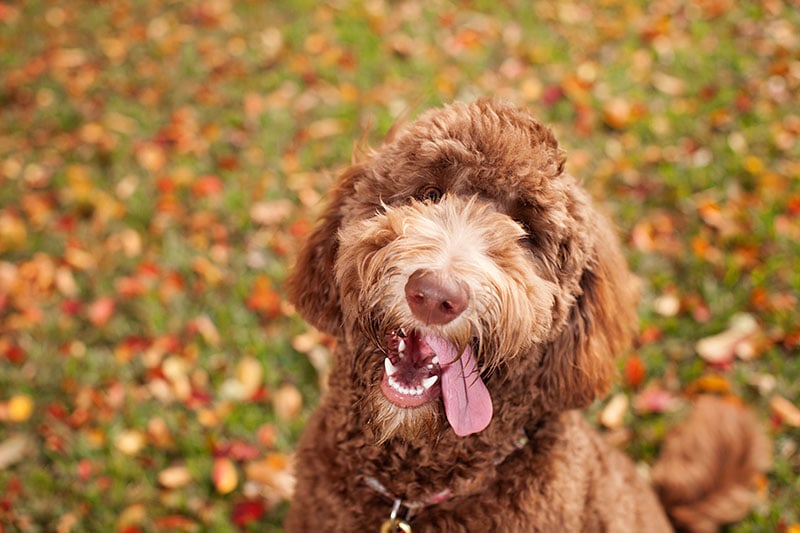
When you cross two different breeds, the resulting puppies can inherit various traits from either parent breed. In the case of Labradoodles, coat type is one of the most variable traits. Let‘s look at the different types of Labradoodle coats:
| Coat Type | Description | Shedding | Hypoallergenic |
|---|---|---|---|
| Hair Coat | Short, dense, similar to a Labrador‘s coat | Moderate to high shedding | Not hypoallergenic |
| Fleece Coat | Soft, wavy or loosely curled | Low to moderate shedding | Somewhat hypoallergenic |
| Wool Coat | Dense, curly, similar to a Poodle‘s coat | Minimal shedding | Most hypoallergenic |
As you can see, Labradoodles with wool coats are the most likely to be hypoallergenic, as they shed the least. However, even within each coat type, individual dogs can vary in their shedding and allergen production.
The generation of Labradoodle also plays a role in coat type and hypoallergenicity:
| Generation | Description | Coat Predictability |
|---|---|---|
| F1 | First generation, 50/50 Lab/Poodle cross | Least predictable, can have any coat type |
| F1B | First generation backcross, 75% Poodle | More likely to have a wool or fleece coat |
| F2 | Second generation, F1 bred to F1 | Somewhat predictable, depending on parents |
| F2B | Second generation backcross, F1 bred to Poodle | More likely to have a wool coat |
| F3/Multigen | Third generation or later, Labradoodle to Labradoodle | Most predictable, breeder can select for wool coats |
In general, later generation Labradoodles bred from parents with wool coats are the most reliably hypoallergenic. However, it‘s important to remember that no Labradoodle is guaranteed to be hypoallergenic for every individual.
Expert Insights
To get a better understanding of Labradoodles and allergies, I reached out to some experts in the field. Dr. Carly Fox, a veterinarian at Animal Medical Center in New York City, had this to say:
"While Labradoodles can be a good choice for people with allergies, it‘s important to spend time with the individual dog before adopting to see how you react. Even within a litter, one puppy might trigger your allergies more than another. It‘s also crucial to choose a reputable breeder who does genetic testing and breeds for health and temperament, not just coat type."
I also spoke with Karen Smith, a professional groomer and owner of The Doodle Salon in San Francisco. She emphasized the importance of regular grooming for Labradoodles:
"Labradoodles with wool coats require a lot of grooming to prevent matting and minimize shedding. I recommend professional grooming every 6-8 weeks, as well as regular brushing at home. Using the right products, like a de-shedding shampoo and conditioner, can also help reduce allergens in the coat."
Living with a Labradoodle When You Have Allergies
If you‘re considering getting a Labradoodle or already have one, there are several steps you can take to minimize your allergy symptoms:
-
Choose the right Labradoodle: Look for a later generation Labradoodle with a wool coat from a reputable breeder. Spend time with the dog before adopting to see how you react.
-
Create an allergy-friendly home: Use HEPA air purifiers to filter out airborne allergens. Vacuum regularly with a vacuum equipped with a HEPA filter. Consider removing carpets and rugs, which can trap allergens.
-
Set boundaries: Keep your Labradoodle out of your bedroom and off furniture to reduce your exposure to allergens. Use allergen-resistant bedding and pillowcases.
-
Groom regularly: Brush your Labradoodle daily to remove loose hair and dander. Bathe them every 1-2 months with a de-shedding shampoo. Consider professional grooming for optimal coat maintenance.
-
Keep your dog healthy: Feed a high-quality diet, keep up with flea and tick prevention, and address any skin issues promptly. A healthy dog will produce less dander and shed less.
-
Take care of yourself: In addition to managing your environment, make sure to take your allergy medications as prescribed. Consider immunotherapy (allergy shots) for long-term management.
Remember, even with these precautions, some people may still find their allergies are too severe to live with a dog. It‘s important to be honest with yourself about what you can handle and have a backup plan in place if needed.
Other Considerations
While allergies are a major concern for many prospective Labradoodle owners, there are other factors to consider as well. Labradoodles are high-energy dogs that require daily exercise and mental stimulation. They are also highly social and thrive on human interaction, so they are not well-suited for households where they will be left alone for long periods.
Like all dogs, Labradoodles also require consistent training and socialization from a young age. Without proper socialization, they can become anxious or fearful in new situations. Positive reinforcement training methods are highly effective with this intelligent, eager-to-please breed.
It‘s also important to note that while Labradoodles are generally healthy dogs, they can be prone to certain health issues such as hip dysplasia, eye disorders, and ear infections. Choosing a breeder who conducts health screenings and provides health guarantees can help minimize these risks.
Labradoodle Alternatives
If you love the Labradoodle look and temperament but find that you are too allergic, there are some other breeds and mixes you can consider that may be more allergy-friendly:
-
Poodle: As one of the parent breeds of the Labradoodle, Poodles are a great option for allergy sufferers. They come in three sizes (Standard, Miniature, and Toy) and have a similar low-shedding, hypoallergenic coat.
-
Bichon Frise: These small, fluffy white dogs are known for their cheerful disposition and low-shedding coats. They are often recommended for people with allergies.
-
Maltese: Another small breed, the Maltese has a long, silky white coat that sheds very little. They are gentle, affectionate dogs well-suited for apartment living.
-
Schnauzer: Schnauzers come in three sizes (Giant, Standard, and Miniature) and have a wiry, low-shedding coat. They are intelligent, versatile dogs that excel in a variety of roles.
As with Labradoodles, individual dogs within these breeds can still trigger allergies, so it‘s important to spend time with any potential dog before adopting.
Final Thoughts
Labradoodles can indeed make wonderful companions for allergy sufferers, but it‘s important to approach dog ownership with realistic expectations. No dog is truly hypoallergenic, and individual reactions can vary.
That said, with careful breed selection, proper grooming and home management, and open communication with your healthcare provider, many people with allergies can successfully live with a Labradoodle or another low-shedding breed.
As a dog lover myself, I know the incredible joy and love a dog can bring to your life. If you have allergies, don‘t let that stop you from experiencing that joy. With some research, planning, and commitment, you may just find your perfect furry friend.