American Eskimo Dog: Breed Info, Pictures, Traits & Care
An Affectionate Friend: The American Eskimo Dog
With a name that evokes images of snowy tundra and sled dogs, you may be surprised to learn the true origins of the American Eskimo Dog. This beautiful spitz-type breed actually descended from various German Spitz dogs and has no connection to Eskimo culture at all! But one thing is for sure – with their fluffy white coat, alert expression and affectionate personality, the American Eskimo Dog has captured the hearts of many dog lovers.
Whether you‘re already a proud Eskie owner or considering adding one of these delightful dogs to your family, read on to learn more about this enchanting breed.
Breed History: From Germany to America
The story of the American Eskimo Dog begins in Germany, where spitz-type dogs like the white German Spitz, Keeshond, and Pomeranian were popular in the late 1800s. Many of these dogs came to the United States with German immigrants.
In the early 1900s, the American Eskimo Dog rose to fame as circus dogs. Their intelligence, agility and showmanship made them stars of traveling circus acts across the Midwest. According to the American Eskimo Dog Club of America, circus owner Harry Miles was captivated by the white spitz dogs performing with the Barnum and Bailey Circus. He acquired several of the dogs and bred them, calling them the "American Eskimo Dog."
While no longer circus performers today, American Eskimo Dogs still excel in agility, obedience and other dog sports. They were officially recognized by the American Kennel Club in 1995 and remain a beloved companion dog.
Physical Characteristics
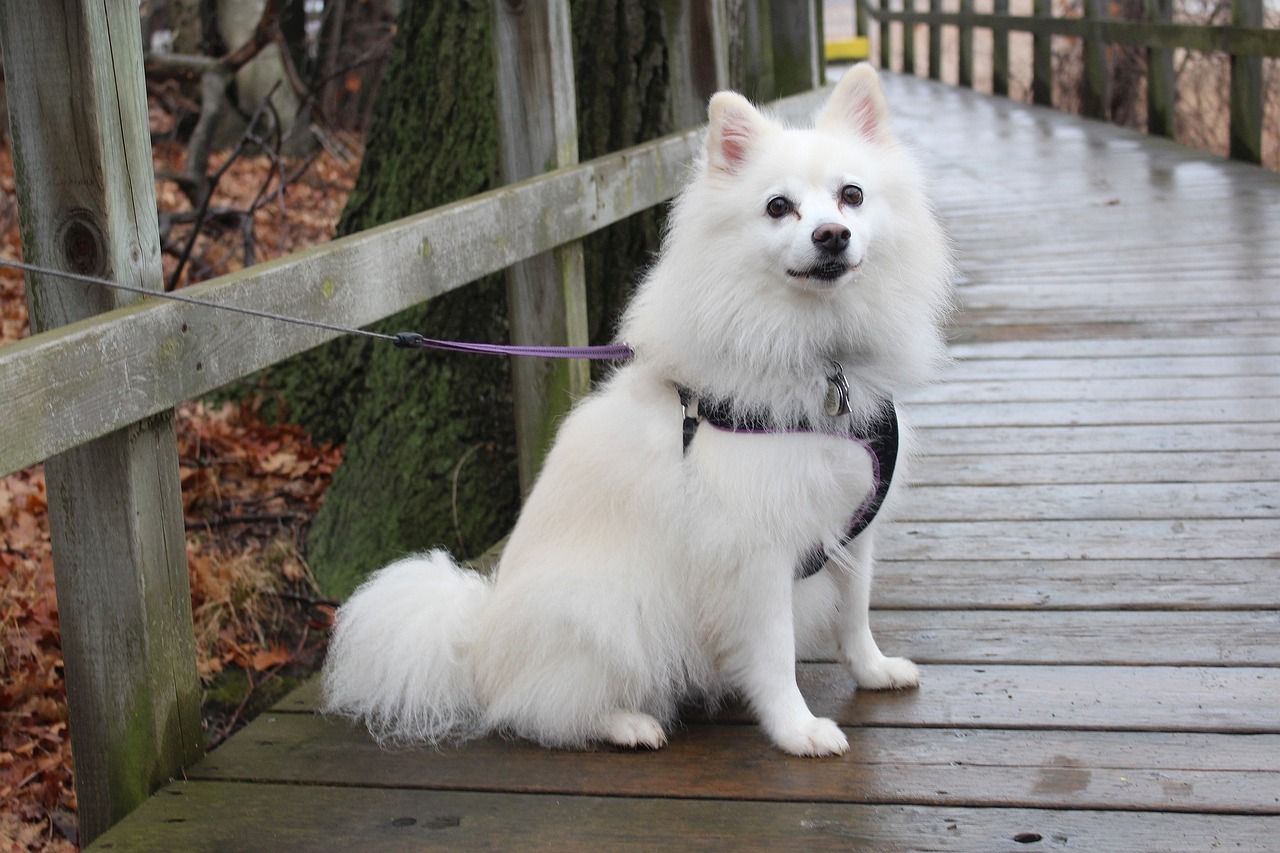
One of the American Eskimo Dog‘s most striking features is their luxurious white double coat. They have a dense undercoat and longer guard hairs that stand off from the body, giving them a fluffy appearance. Their coat serves as insulation in winter but they shed heavily, requiring regular brushing.
"Grooming is a big part of owning an Eskie," says Angela Hughes, an American Eskimo Dog breeder in Pennsylvania. "If you want that beautiful full coat, you need to brush them thoroughly at least a few times a week. But it‘s worth it when you see them practically sparkling white."
The breed comes in three size varieties:
- Toy: 9-12 inches tall and 6-10 pounds
- Miniature: 12-15 inches tall and 10-20 pounds
- Standard: 15-19 inches tall and 18-35 pounds
Compact but sturdy, American Eskimo Dogs have a balanced, agile build suitable for an active lifestyle. They have a wedge-shaped head with a foxy face, alert triangular ears, and a plumed tail carried over the back.
In addition to white, American Eskimo Dogs may have biscuit cream shadings. Their nose, lips, and eye rims are black and their expressive eyes are dark and intelligent.
Personality and Temperament
Don‘t let the American Eskimo Dog‘s dainty appearance fool you. These are lively, active dogs with a big personality to match. Affectionate with family, they bond closely to their owners and thrive on companionship.
"They just want to be with you all the time," says Deborah Erickson, an Eskie owner in Seattle. "My dog Ivy follows me from room to room. But she‘s also independent and will entertain herself with her toys for hours."
As watchdogs, American Eskimo Dogs are alert and protective of their home and family. They have a tendency to bark at strangers, other animals, and unfamiliar noises. Early training and socialization is important to prevent nuisance barking.
Highly intelligent, American Eskimo Dogs need mental stimulation to prevent boredom. They excel at learning tricks and are perceptive to their owner‘s emotions. Many enjoy being the center of attention and will happily perform for an audience.
While generally good with children, American Eskimo Dogs may be too exuberant for very young kids. They tend to do well with other dogs and can adapt to cats if raised together. As with any breed, supervision around small animals like rabbits or birds is recommended.
Living Needs and Exercise
American Eskimo Dogs are adaptable to most living situations as long as they receive adequate exercise and time with their humans. They are active indoors and do well in apartments if given daily walks and play sessions. A securely fenced yard is ideal for burning off energy.
This is a breed that thrives with an active family interested in dog sports like agility, flyball, and obedience. Participating in these activities is great for channeling their energy and strengthening the bond with their owner. Many American Eskimo Dogs also enjoy long hikes and make excellent jogging partners once fully grown.
In hot weather, avoid strenuous exercise and provide plenty of shade and fresh water. Like other Nordic breeds, Eskies have a low tolerance for heat. Consider shorter walks and indoor games on scorching days.
Grooming and Health
The American Eskimo Dog‘s gorgeous white coat requires a significant investment of time to maintain. Plan to brush them at least 3-4 times per week with a pin brush and metal comb to remove tangles and prevent matting. They shed heavily year-round and "blow coat" twice a year, requiring even more frequent grooming during those times.
Regular baths every 4-8 weeks will help keep the coat clean and white. Be sure to use a whitening or clarifying shampoo to prevent any yellowing of the fur. Brush the teeth daily, clean the ears weekly, and trim the nails every 2-3 weeks.
While generally a healthy breed with a lifespan of 13-15 years, American Eskimo Dogs are prone to certain genetic health conditions:
- Hip dysplasia
- Luxating patellas (trick knee)
- Progressive retinal atrophy (PRA)
- Diabetes
- Allergies
Choose a reputable breeder who health tests their breeding dogs to minimize the chance of these issues. The National American Eskimo Dog Association provides a list of breeders across the country who adhere to their code of ethics.
Training the American Eskimo Dog
Early socialization and positive reinforcement training are essential for the American Eskimo Dog. These intelligent dogs learn quickly but can have a stubborn streak. Consistency, patience and plenty of rewards will yield the best results.
"The key is to start training early and make it fun," advises experienced trainer Lisa Sampson. "Eskies love learning new things but get bored with repetition. Keep training sessions short and upbeat."
Housetraining is usually a breeze with this clean and fastidious breed. Crate training is recommended to prevent any destructive chewing or accidents when left alone. Many Eskies also enjoy puzzle toys and games that challenge them mentally.
Given their protective nature, it‘s important to expose your American Eskimo Dog to a variety of people, animals and situations from a young age. Puppy socialization classes are a great way to boost their confidence and improve their manners. With structure and loving guidance, they can learn to be friendly ambassadors for their breed.
Fun Facts About the American Eskimo Dog
- In the 1920s, an American Eskimo Dog named Stout‘s Pal Pierre was famous for walking the tight rope at the Barnum and Bailey Circus.
- Celebrity American Eskimo Dog owners include U.S. Olympians Kristi Yamaguchi and Nick Goepper.
- Two American Eskimo Dogs played "Taco" in the 2009 romantic comedy The Proposal starring Sandra Bullock and Ryan Reynolds.
- In 2014, the American Eskimo Dog ranked 110 out of 194 AKC-recognized breeds in popularity.
- American author E.B. White (Charlotte‘s Web) had an American Eskimo Dog called Polar Bear, who he loved dearly.
Conclusion
From their captivating appearance to their devoted nature, it‘s easy to see why the American Eskimo Dog has won the affection of so many. While no dog is the perfect fit for every household, if you can keep up with their active lifestyle and grooming demands, you‘ll be hard-pressed to find a more charming and entertaining companion.
If you‘re ready to add an American Eskimo Dog to your life, take the time to research the breed and find an ethical breeder or rescue organization. Meeting the puppy‘s parents and observing their temperament is a great indicator of what to expect. Lastly, commit to being a responsible owner who will provide a lifetime of love, care and stimulation for your new family member. In return, your American Eskimo Dog will be a cherished friend for years to come.