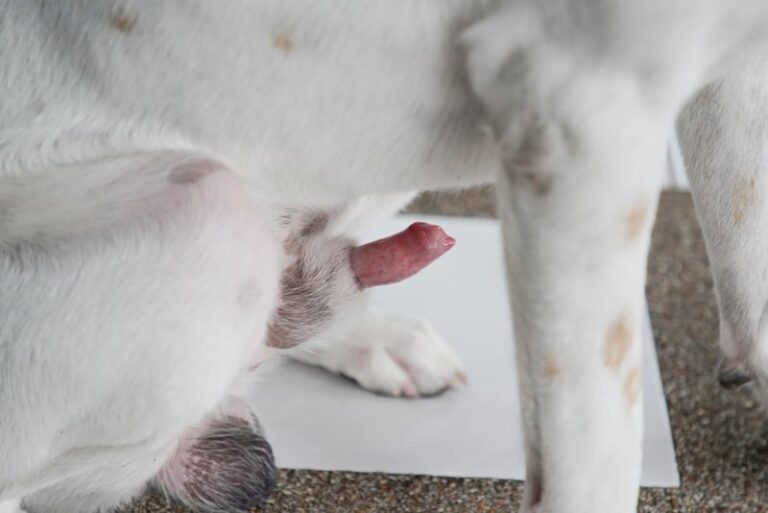
Neutering Cats and Dogs in the UK: 2024 Statistics and Costs

In the United Kingdom, spaying or neutering cats and dogs is a routine practice that is widely regarded as a key aspect of responsible pet ownership. Neutering not only helps curb stray and feral animal populations, but also provides health and behavioral benefits for pets.
However, the costs of these surgical procedures can be a deterrent for some pet owners. In this article, we‘ll take an in-depth look at the current state of cat and dog neutering in the UK, including the latest statistics on neutering rates, veterinary perspectives, costs, and benefits.
Cat and Dog Neutering Rates in the UK
According to the most recent data from the People‘s Dispensary for Sick Animals (PDSA), a leading veterinary charity in the UK, an estimated 86% of owned cats and 71% of owned dogs in the country are neutered as of 2024. This represents a steady increase from previous years.
Neutering tends to be more prevalent among cats compared to dogs. Experts attribute this to several factors:
- Cats are more likely to roam and breed indiscriminately if not neutered
- Cat neutering procedures are typically less expensive than dog neutering
- There is a longstanding cultural acceptance of neutering cats in the UK
Still, the neutering rate for both species in the UK is significantly higher than the global average. This is largely due to the efforts of animal welfare charities and veterinary organizations to promote neutering as an essential aspect of pet care.
Veterinary Perspectives on Neutering
The British Veterinary Association (BVA) strongly endorses neutering for cats and dogs that are not intended for breeding purposes. In a 2024 position statement, the BVA reaffirmed that neutering "should be recommended as a part of responsible ownership, unless there is a valid reason not to."
Over 90% of veterinary practices in the UK recommend routine neutering for pet cats and dogs. Most vets advise that the procedures take place before the animal reaches sexual maturity – typically around 4 months of age for cats and 6 months for dogs, though exact timing depends on breed and individual factors.
Vets cite preventing unplanned litters, reducing risks of certain cancers and diseases, and curbing undesirable behaviors like roaming, aggression and spraying as key reasons to neuter.
The Costs of Neutering Cats and Dogs
While widely beneficial, neutering does come at a financial cost for pet owners. As of 2024, the average neutering fees in the UK are:
- Male cat castration: £60-90
- Female cat spay: £70-120
- Male dog castration: £160-280
- Female dog spay: £200-400
Prices vary considerably based on geographic location, veterinary practice, breed, size and health status of the animal. In general, neutering female animals costs more because the surgical procedure is more complex and time-consuming compared to males.
Many pet owners also opt to get their animal microchipped at the time of neutering. Microchipping is a legal requirement for dogs in the UK and while optional for cats, is highly recommended. This typically adds an extra £10-20 to the total bill.
Given that an estimated 20% of UK pet owners experience financial hardship, cost is a major barrier for many in getting their animals neutered. Some assistance is available through animal welfare charities like PDSA, Blue Cross and Cats Protection, which provide low-cost or free neutering for pet owners in need. These organizations perform over 150,000 subsidized neutering operations each year.
Public Opinion on Neutering
Surveys show strong public support for neutering cats and dogs in the UK. A 2024 YouGov poll found that 82% of British adults believe all cats and dogs should be neutered if not used for breeding.
The most commonly cited reasons for supporting neutering are:
- Preventing unwanted litters and strays (79%)
- Improving animal health by reducing disease risks (64%)
- Reducing undesirable behaviors like aggression (58%)
- Saving money on long-term pet care (44%)
Among the minority who do not favor routine neutering, objections tend to focus on:
- Concerns about surgery risks and adverse health effects
- Beliefs that neutering is unnatural and infringes on animal rights
- Desire to breed their pet in the future
- Religious or cultural objections to removing an animal‘s reproductive organs
Despite some opposition, veterinary and animal welfare groups maintain that the benefits of neutering for both animals and society far outweigh the risks in the vast majority of cases. Public education campaigns aim to address misinformation and increase access to affordable neutering services.
Impact on Stray and Feral Populations
Animal homelessness remains a significant challenge in the UK, with an estimated 100,000 stray dogs and 1.5 million feral cats living on the streets. Uncontrolled breeding is a major contributor to these numbers.
Increasing neutering rates, particularly among free-roaming cats and animals in disadvantaged communities, is crucial to humanely reducing stray and feral populations over time. Trap-Neuter-Return (TNR) programs, which involve humanely capturing feral animals, neutering them and returning them to their colonies, have proven effective at gradually stabilizing and decreasing feral numbers.
Since the 1970s, coordinated efforts by charities and local authorities to promote neutering have dramatically reduced the UK‘s stray dog population, from a peak of over 1 million in 1970 to around 100,000 today. Feral cat numbers have proven harder to control, but sustained TNR campaigns are showing progress in many areas.
Health Pros and Cons of Neutering
For individual pets, the decision to neuter should be made in consultation with a veterinarian who can advise on the animal‘s unique circumstances. While recommended for most cats and dogs, neutering is a major procedure that is not without risks.
The key benefits of neutering include:
- Eliminating the risk of testicular cancer and reducing prostate disease in males
- Preventing pyometra (potentially fatal uterine infection) and mammary tumors in females
- Removing the physical demands and health risks associated with pregnancy and birth
- Reducing hormone-driven behaviors like roaming, mounting and aggression
However, neutering, particularly at a young age, has also been linked to increased risks of:
- Obesity and related health issues if food intake is not adjusted post-surgery
- Orthopedic disorders like hip dysplasia and cruciate ligament rupture in certain breeds
- Urinary incontinence in female dogs
- Certain cancers like lymphoma, hemangiosarcoma and mast cell tumors
For most animals, the risks of remaining intact outweigh those of neutering. But pet owners should educate themselves on both the benefits and potential drawbacks to make an informed decision with their vet‘s guidance.
Conclusion
Neutering remains a safe, effective and humane means of curbing companion animal overpopulation and improving pet health and welfare. While the UK has made great strides with high rates of neutering for owned cats and dogs, continued efforts are needed to assist disadvantaged pet owners, control feral populations and promote a cultural norm of neutering nationwide.
With over 80% of the British public supporting routine neutering, there is reason for optimism. But veterinary and animal welfare groups must work to keep neutering affordable and accessible, combat misinformation, and counsel pet owners on both the benefits and risks for their individual animal. Only through sustained, collaborative efforts can we reduce animal homelessness and ensure all of the UK‘s cats and dogs receive the care they need and deserve.
Frequently Asked Questions
Q: What‘s the difference between spaying and neutering?
A: Spaying refers to surgically removing the ovaries and uterus of a female animal. Neutering can refer to the castration of a male animal or the spaying of a female. In males, only the testicles are removed.
Q: Is neutering legally required in the UK?
A: No, neutering cats and dogs is voluntary in the UK, though it is strongly recommended by veterinary and animal welfare groups. The only legal requirement is that all dogs must be microchipped.
Q: At what age should I have my cat or dog neutered?
A: In general, cats should be neutered by 4-5 months of age, while dogs should be neutered by 6-12 months, depending on breed and size. Consult your vet for specific timing recommendations for your pet.
Q: Are there any non-surgical neutering options?
A: A non-surgical, injectable neutering solution is being developed for male dogs, but is not yet widely available. Surgical neutering remains the standard of care for cats and dogs as of 2024.
Q: Can a neutered pet still get cancer?
A: While neutering eliminates or reduces the risk of certain reproductive cancers, it does not make an animal immune to all cancers. Some studies have even linked neutering to slightly increased risks of specific cancers, but more research is needed. Overall, neutering is thought to have a net protective effect against cancer.