American Staghound: The Swift and Tenacious Hunting Dog of the American West
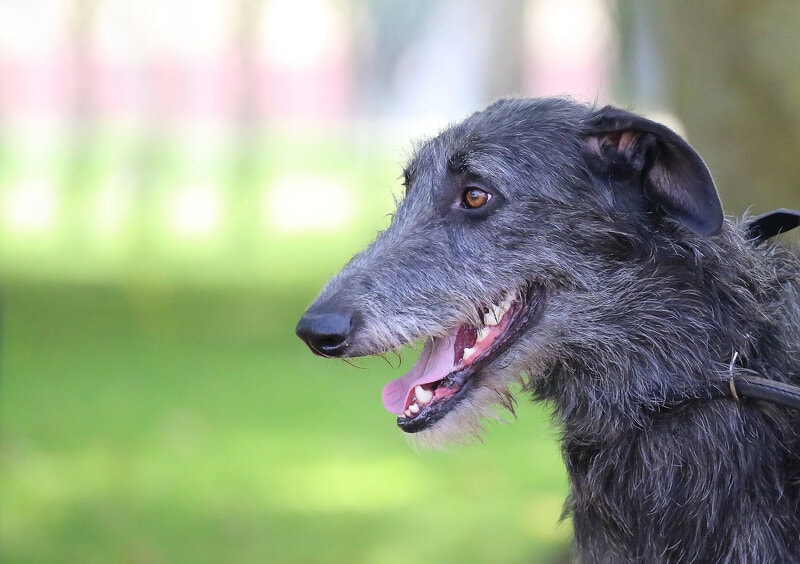
As a lifelong dog lover and sporting dog enthusiast, I‘ve always been fascinated by breeds that were developed to work closely with humans in pursuit of game. One of the most impressive and least well-known of these breeds is the American Staghound. Bred to be an all-purpose hunting dog that could chase down and hold big game across the rugged terrain of the American West, the Staghound is a marvel of speed, stamina, and determination wrapped up in a friendly, affectionate package.
The Origins of the American Staghound
The American Staghound emerged in the early 1800s when settlers heading west needed a dog that could help them provide food and security in a challenging new environment. They started by crossing two remarkable breeds from the British Isles:
- The Scottish Deerhound: A tall, shaggy-coated sighthound bred to hunt deer in the highlands
- The Greyhound: The fastest dog breed in the world, capable of speeds up to 45 mph
The combination of the Deerhound‘s size, strength and rougher coat with the Greyhound‘s speed and agility produced dogs uniquely suited to chasing down and holding coyotes, wolves, and even pumas. By the 1850s, these Greyhound-Deerhound crosses were known as Staghounds and were indispensable to many ranchers, hunters, and frontiersmen.
One of the earliest written accounts of Staghounds comes from George Frederick Ruxton‘s "Wild Life in the Rocky Mountains," published in 1847:
These [Staghounds] are kept in large packs, and are used for running down the huge wolves of the prairies, which are too fleet and too savage to be killed by the ordinary wolf-dogs. The speed of the Staghound, and his great size and strength, render him a fit antagonist for his fierce and swift foe.
Physical Characteristics and Abilities
American Staghounds are large, lean, and muscular dogs built for speed and endurance. Here are some key physical attributes:
| Characteristic | Male | Female |
|---|---|---|
| Height | 28-32 inches | 24-29 inches |
| Weight | 75-90 pounds | 45-75 pounds |
| Body | Long, muscular, arched loins | Same as males |
| Chest | Deep and narrow | Same as males |
| Head | Long and narrow | Slightly finer |
| Ears | Small, folded when relaxed | Same as males |
| Tail | Long, curved | Same as males |
| Coat | Smooth, broken, or rough | Same as males |
| Colors | Black, grey, red, fawn, brindle, or white patches | Same |
The Staghound‘s lean build and aerodynamic shape allow it to achieve remarkable speeds. While not as fast as its Greyhound ancestors, Staghounds have been clocked at over 40 mph. But what sets them apart is their ability to maintain pursuit over many miles and rugged terrain.
Steve Pfister, a Staghound breeder and hunting guide in Wyoming, raves about their athleticism and work ethic:
I‘ve had Staghounds run coyotes for over twelve miles across sagebrush and canyons before making the catch. They just won‘t quit. I‘ve never seen another breed with that combination of speed and heart.
Temperament and Training
American Staghounds were bred to work in packs and form close bonds with their human companions. They are generally quiet, even-tempered dogs who are affectionate with family. However, they are also independent thinkers with a stubborn streak. They require firm, consistent training from a confident owner.
Kathy Moore, a Staghound owner and dog trainer in Colorado, advises:
Staghounds are loving but not pushovers. They need an owner who knows how to earn a dog‘s respect through positive leadership. Heavy-handedness will backfire with this sensitive yet determined breed.
Like all sighthounds, Staghounds have an incredibly high prey drive. Chasing is hardwired into their DNA. While this drive cannot be fully extinguished, teaching impulse control and rock-solid recall from an early age is essential for management.
Early, extensive socialization is also critical, especially for Staghounds in pet homes. Teaching them to distinguish small pets from prey and to greet strangers calmly can be a challenge that requires dedication and hard work. Even with training, a Staghound should never be trusted off leash unless in a securely fenced area.
Health and Care
American Staghounds are generally robust, long-lived dogs with few hereditary health issues compared to many modern breeds. According to a health survey of 96 Staghounds conducted by the National Staghound Association in 2015:
- 5% reported hypothyroidism
- 4% reported sensitivity to anesthesia
- 2% reported bloat/gastric torsion
- Less than 1% reported osteosarcoma, PRA, or other issues
Careful screening of breeding stock and genetic testing have helped limit the incidence of these problems in the breed. However, like all deep-chested dogs, Staghounds can be susceptible to bloat, a potentially fatal condition where the stomach twists and expands with gas. Placing a brick in the food bowl to slow eating and avoiding exercise after meals can help prevent bloat.
The Staghound‘s grooming needs vary based on coat type. Smooth coats shed the least and require just occasional brushing, while rough coats need brushing a few times a week to avoid mats. All Staghounds need regular nail trimming, ear cleaning, and dental care.
The Future of the Breed
Despite their long history and remarkable abilities, American Staghounds remain a rare breed. There are only an estimated 4,000 Staghounds in the United States today, with a few hundred more scattered across Canada, Europe, and Australia.
The breed‘s small numbers and working origins have so far kept it out of the show ring and the eyes of the public. The National Staghound Association maintains a private breed registry to document pedigrees, but Staghounds are not currently recognized by any major kennel clubs.
Some Staghound fanciers prefer it this way, fearing that attention from the show world could alter the breed in ways that compromise its working abilities. Dave Miller, president of the Texas Staghound Pack, puts it bluntly:
We don‘t need a beauty contest. We need to breed dogs that can do the job they were made for, whether that‘s hunting coyotes to protect livestock or going after hogs. A Staghound that can‘t hunt isn‘t a Staghound anymore.
Other Staghound lovers would like to see the breed gain more recognition, both to honor its unique history and secure its future. Karen Wolfe, a Staghound breeder in Utah, worries about shrinking gene pools:
So many of our Staghounds go back to just a few key individuals. We need more quality breeding stock and some outcrossing to keep the breed healthy. I‘d love to see Staghounds get more appreciation as a slice of American history and culture worth preserving.
Conclusion: Is a Staghound Right For You?
As a dog lover, it‘s hard for me not to be enamored with this remarkable breed. Staghounds combine so many admirable qualities: breathtaking athleticism, intense drive, and gentle affection. But I also know that these are not easy dogs to live with for the average owner.
With their independent natures, tremendous exercise needs, and hardwired prey drive, Staghounds require an expert hand and an appropriate home. It takes a special person to give these dogs the training, stimulation, and safe outlets for their natural instincts that they need to thrive. But for experienced owners who enjoy an active lifestyle and appreciate a centuries-old working partnership between humans and dogs, an American Staghound can be the hunting buddy and friend of a lifetime.