Are Cavalier King Charles Spaniels Good With Cats? An In-Depth Guide
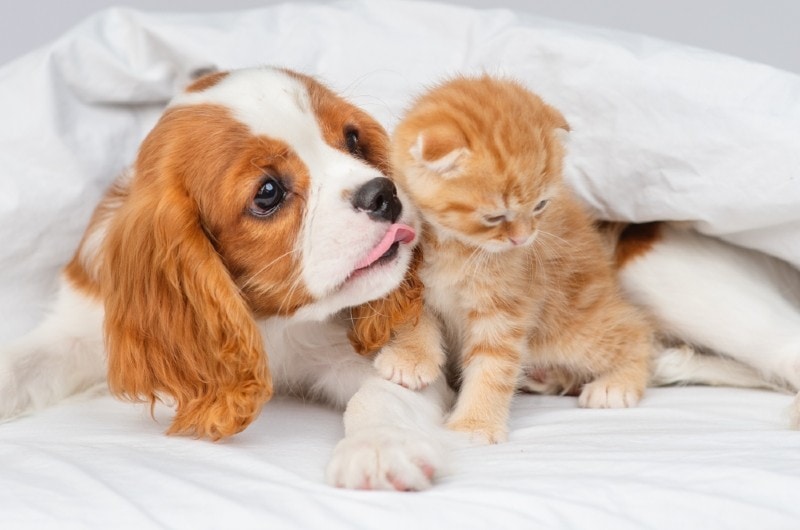
If you‘re a cat owner considering adding a dog to your family, you may be wondering which breeds are most likely to get along with your feline friend. One breed that consistently tops the list of cat-friendly canines is the Cavalier King Charles Spaniel. With their gentle temperament, adaptable nature, and affectionate personality, Cavaliers can make wonderful companions for cats. In this comprehensive guide, we‘ll explore the history, characteristics, and cat-friendly traits of the Cavalier King Charles Spaniel, as well as provide tips for introducing your Cavalier to a resident cat.
The Cavalier King Charles Spaniel: A Brief History
The Cavalier King Charles Spaniel is a relatively new breed, having been developed in the 1920s in an effort to recreate the small, affectionate spaniels depicted in paintings from the 16th, 17th, and 18th centuries. These dogs were popular companions among the nobility and royal families of Europe, particularly in the court of King Charles I and King Charles II of England, from whom the breed takes its name.
As companions to royalty, Cavalier King Charles Spaniels were bred to be gentle, affectionate, and adaptable dogs that could thrive in a variety of settings. These traits have carried through to the modern-day Cavalier, making them excellent family pets and companions for other animals, including cats.
Cavalier King Charles Spaniel Characteristics
Cavalier King Charles Spaniels are small dogs, typically weighing between 13 and 18 pounds and standing 12 to 13 inches tall at the shoulder. They have a silky, medium-length coat that comes in four recognized colors: Blenheim (chestnut and white), tricolor (black, white, and tan), black and tan, and ruby (solid red). Cavaliers have a moderate grooming need, requiring regular brushing and occasional baths to keep their coat healthy and tangle-free.
As a breed, Cavaliers are known for their gentle, friendly, and affectionate nature. They are highly adaptable dogs that can thrive in a variety of living situations, from apartments to large homes, and are generally good with children, seniors, and other pets. Cavaliers are also intelligent and easy to train, although they can sometimes have a stubborn streak.
Why Cavalier King Charles Spaniels Are Great With Cats
Cavalier King Charles Spaniels have a well-earned reputation as one of the most cat-friendly dog breeds. In fact, a survey by the American Kennel Club found that 90% of Cavalier owners reported that their dog gets along well with cats. Several factors contribute to the Cavalier‘s success as a feline companion:
-
Gentle, non-aggressive temperament: Cavaliers are known for their sweet, gentle disposition and are rarely aggressive towards other animals. This laid-back attitude helps them mesh well with cats, who can be easily frightened by loud or boisterous dogs.
-
Adaptability: As highly adaptable dogs, Cavaliers are able to adjust their behavior to fit their environment and social situation. This means that they can learn to read a cat‘s body language and respect their boundaries, reducing the likelihood of conflicts.
-
Similar size and energy level: Cavaliers are often similar in size to cats, which can help felines feel more at ease around them compared to larger dog breeds. Additionally, while Cavaliers certainly enjoy playtime and walks, they are not excessively high-energy dogs and are content to spend much of their day napping and cuddling, much like a cat.
-
Desire for companionship: Bred as companion dogs, Cavaliers thrive on affection and attention from their humans and other pets. Many Cavaliers enjoy having a feline friend to cuddle and play with, and will go out of their way to develop a positive relationship with a resident cat.
Tips for Introducing Your Cavalier to a Cat
While Cavalier King Charles Spaniels are naturally inclined to get along with cats, a slow and careful introduction process is still essential to ensure a harmonious relationship. Here are some tips for introducing your Cavalier to a resident cat:
-
Start with scent familiarization: Before allowing your Cavalier and cat to meet face-to-face, let them get used to each other‘s scent. Swap out blankets or toys that each animal has used, and allow them to investigate the scent on their own terms.
-
Set up a safe space for the cat: Ensure that your cat has a designated area of the house that they can retreat to if feeling overwhelmed, complete with a litter box, bedding, and vertical space for climbing and perching. This will help your cat feel more secure and in control during the introduction process.
-
Use positive reinforcement: Whenever your Cavalier and cat have a positive interaction, such as sniffing each other calmly or playing gently, reward them with treats and praise. This will help them associate each other‘s presence with good things and encourage future friendly behavior.
-
Supervise interactions: In the early stages of introduction, always supervise your Cavalier and cat‘s interactions to ensure that play doesn‘t become too rough and that both animals are comfortable. Be prepared to intervene if necessary, using calm, positive methods to redirect their attention.
-
Be patient: Developing a friendship between a Cavalier and a cat can take time, so don‘t rush the process. Allow each animal to move at their own pace, and never force interactions if either pet seems stressed or uncomfortable.
Comparing Cavalier King Charles Spaniels to Other Cat-Friendly Breeds
While Cavalier King Charles Spaniels are excellent cat companions, they are not the only breed known for their feline-friendly nature. Other breeds that typically do well with cats include:
- Golden Retrievers
- Labrador Retrievers
- Basset Hounds
- Beagles
- Pugs
- Bichon Frises
To help compare the cat-friendly traits of these breeds, we‘ve created a table highlighting some key characteristics:
| Breed | Size | Energy Level | Prey Drive |
|---|---|---|---|
| Cavalier King Charles | Small | Moderate | Low |
| Golden Retriever | Large | High | Low |
| Labrador Retriever | Large | High | Low |
| Basset Hound | Medium | Low | Moderate |
| Beagle | Small to Medium | High | High |
| Pug | Small | Moderate | Low |
| Bichon Frise | Small | Moderate | Low |
As you can see, Cavalier King Charles Spaniels share many traits with other cat-friendly breeds, such as a low prey drive and moderate energy level. However, their small size and affectionate nature make them particularly well-suited to living with felines.
Conclusion
In summary, Cavalier King Charles Spaniels are an excellent choice for cat owners looking to add a canine companion to their family. With their gentle temperament, adaptable nature, and love of companionship, Cavaliers have a strong tendency to develop positive relationships with felines. By following a slow and careful introduction process, providing plenty of positive reinforcement, and respecting each animal‘s individual needs, you can help your Cavalier and cat become the best of friends.
Additional Resources
If you‘d like to learn more about Cavalier King Charles Spaniels and their compatibility with cats, check out these helpful resources:
- The Cavalier King Charles Spaniel Club
- The American Kennel Club‘s Cavalier King Charles Spaniel Breed Profile
- The International Cat Association‘s Tips for Introducing Dogs and Cats
- "Cavalier King Charles Spaniels: The Ultimate Companion" by Myra Savant-Harris
With patience, understanding, and a commitment to positive training, you can help your Cavalier King Charles Spaniel and cat develop a bond that will bring joy and companionship to your household for years to come.