The Bold and Beautiful Bull Boxer: Is This Hybrid Breed Right For You?
Are you looking for a loyal, energetic and protective companion to share your active lifestyle? With the strength of a Boxer and the tenacity of a Bulldog, the Bull Boxer may be your perfect match. But this powerful hybrid is not for everyone. Read on to learn all about the Bull Boxer‘s history, personality, care needs and more to decide if you‘re ready to live life to the fullest with one of these muscular, devoted dogs.
The Best of Both Worlds: Bull Boxer History and Origins
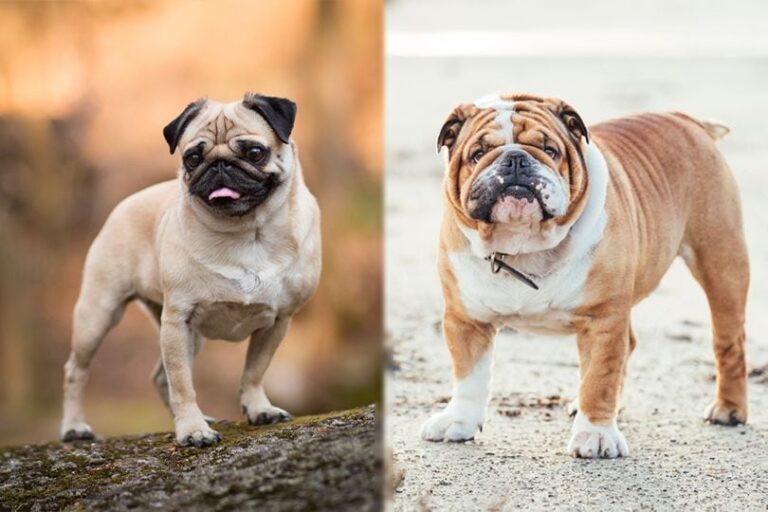
The Bull Boxer is a designer dog combining two popular breeds with long histories as working and companion animals. Boxers were developed in Germany in the late 1800s as medium-sized guard dogs descended from the larger Bullenbeisser ("bull biter") with some English Bulldog mixed in for sturdiness. They became popular military dogs in both world wars and gained AKC recognition in 1904. Today, they rank as the 14th most popular breed in the U.S.
Bulldogs, both the English and American varieties, originated as fighting and bull baiting dogs in the 1600s. Once these cruel sports were outlawed in 1835, breeders worked to preserve the breed‘s best traits while minimizing aggression. The new and improved Bulldog became a beloved symbol of England and a popular family pet in the U.S., recognized by the AKC in 1886. They currently rank as the 5th most popular breed.
Crossing these two powerful but good-natured breeds produces a strong, confident and affectionate dog well-suited to the role of devoted family guardian. Bull Boxers are believed to originate in the 1990s but their exact history is unclear. While not recognized by the AKC, they have gained popularity among active dog lovers seeking a trainable, protective and low-maintenance companion.
"The Bull Boxer is a great fit for experienced big dog owners wanting a athletic, even-tempered and cleanly built dog," says Sarah Smith, a trainer specializing in bully breeds. "They‘re more trainable than a typical bulldog but calmer than a boxer. It‘s really a nice mix for the right home."
Brawn Meets Brain: Physical Characteristics of the Bull Boxer
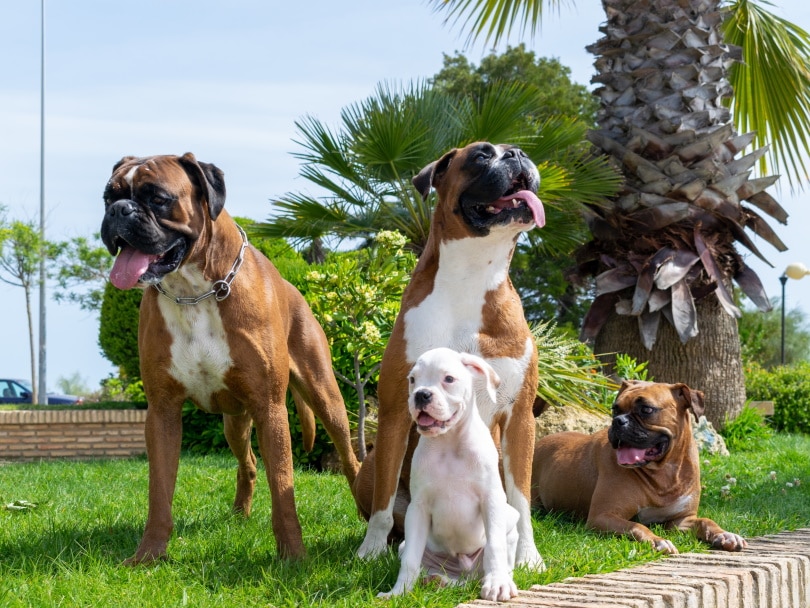
A full grown Bull Boxer is an impressive specimen, standing 20-28 inches tall and weighing 50-130 pounds, with females usually smaller than males. They have the muscular, athletic build of a Boxer with the stout, powerful features of a Bulldog. Here‘s a breakdown of their features:
- Head: Large and round with a short, square muzzle and moderate stop (forehead wrinkles). Ears may be cropped or natural rose shape. Bite is undershot.
- Body: Medium to large boned with a deep chest, thick muscular neck, straight back and sturdy legs. Somewhat longer than tall. Feet are compact and cat-like.
- Coat: Short, smooth and close-fitting, usually 1-2 inches long. Most common colors are fawn, brindle, and white with black, brown or tan markings. May have a black mask.
- Tail: Set high, medium length and tapered. Usually docked short.
"Expect to get a lot of attention with a Bull Boxer," says owner Mike Thompson, whose dog Bruce turns heads everywhere they go. "People are amazed by his size and muscles but then he flashes that goofy boxer grin and they melt. He‘s 80 pounds of pure love."
Despite their size, Bull Boxers are pretty low maintenance in the grooming department. Weekly brushing and occasional baths keep their short coat looking shiny and healthy. But like all brachycephalic (flat-faced) breeds, they are prone to overheating, breathing difficulty and dental crowding. Keeping the facial wrinkles clean and dry is a must to prevent skin irritation and infection.
Courageous and Cuddly: The Bull Boxer Temperament
Bull Boxers inherit the best traits of both parent breeds: the playfulness and affection of the Boxer combined with the confidence and stability of the Bulldog. They bond closely with their families and can be quite gentle and patient with children, though their size and strength can accidentally bowl over little ones. Socialization is key to ensure they welcome guests and don‘t view other dogs as threats.
With their people, Bull Boxers are real sweethearts. They love to cuddle, play and go on adventures with their favorite humans. But they do tend to attach to one person the most and can become territorial of that person, which requires some training to avoid jealous behavior.
"They are total goofballs with their families but they can turn on the serious guardian vibe with strangers," says Bull Boxer breeder Amanda Peterson. "I call them ‘Clown Princes.‘ They make you laugh with their antics but they also have that natural dignity and presence. It‘s a really endearing combination."
As highly intelligent dogs, Bull Boxers excel at learning tricks, solving puzzles and participating in canine sports like obedience, agility, scent work, dock diving and more. They are eager to please and food motivated, so training is usually fun and rewarding for both dog and owner. But they do have an independent streak, so positive reinforcement and consistency are a must.
"Start training early and keep it fun," advises trainer Smith. "Bull Boxers bore easily, so keep sessions short and mix it up with play. If you try to force them, they‘ll just shut down. But if you work with their natural desire to engage with you and figure things out, they‘ll impress you with how quickly they learn."
Born to Run: Exercise and Activity Requirements
As the offspring of two athletic breeds, Bull Boxers need lots of daily activity to stay happy and healthy. A short leash walk around the block won‘t cut it for these energetic dogs. They require at least an hour of strenuous exercise each day, preferably broken up into a couple sessions. Jogging, swimming, hiking, fetching and tug are all great ways to burn off energy and build muscle.
In addition to physical exercise, Bull Boxers need plenty of mental stimulation to prevent boredom and destructive behavior. Food puzzles, nose work games, and obedience training are good ways to engage their busy brains. Many enjoy participating in dog sports or going to daycare a few times a week to romp with other big dogs.
"Axel is never happier than when he‘s running full tilt at the dog park or the beach," says owner Sarah Rodriguez. "He‘ll chase a ball until my arm gives out. Then he comes home and crashes hard. It‘s like living with a fuzzy Olympian."
Access to a securely fenced yard is ideal for a Bull Boxer, but they can adapt to apartment life if given enough outdoor time and plenty to do indoors. They don‘t do well left alone for long periods, so a family where someone is usually home is best. Crate training is recommended for times when you can‘t supervise. Chew-proof bedding and sturdy toys are a must, as Bull Boxers tend to play hard and shred soft items.
Health Concerns and Lifespan
Like all purebreds and hybrids, Bull Boxers are prone to certain genetic health problems that prospective owners should be aware of. Responsible breeders screen for these issues, but it‘s still good to know what to look out for and how to prevent problems when possible.
According to a survey by the Bulldog Club of America, the most common health issues reported in Bulldogs are:
- Hip and elbow dysplasia (arthritis)
- Cherry eye (protruding third eyelid)
- Allergies and skin fold infections
- Brachycephalic airway syndrome (breathing problems)
- Patellar luxation (kneecap dislocation)
Boxers have similar orthopedic concerns, as well as a high rate of cancer and heart conditions like aortic stenosis and cardiomyopathy. They may also develop hypothyroidism, bloat and epilepsy. A UK Kennel Club survey found the median lifespan for Boxers was 10.25 years.
As a mix of these two breeds, Bull Boxers can inherit any of these health problems. Hip and elbow dysplasia are common, so screening parents and keeping dogs lean and well-exercised is important. The flat face and short muzzle make breathing problems and overheating a concern, especially in hot weather. Allergy testing and a grain-free diet can help minimize itching and infections. Regular vet check-ups and preventive care are a must.
"Start health testing right away and don‘t skip those annual exams," says Dr. Emily Chang, a veterinarian specializing in bully breeds. "Catching problems early is key to giving your Bull Boxer the healthiest, longest life possible. With good care, they can easily live 10-12 years."
Here are some tips to maximize your Bull Boxer‘s health and longevity:
- Buy from a responsible breeder who health tests parents and puppies
- Feed a high quality, age-appropriate diet and avoid obesity
- Provide ample exercise and mental stimulation
- Brush teeth regularly and schedule professional cleanings
- Clean and dry wrinkles, ears and skin folds daily
- Use a harness instead of a collar to avoid airway pressure
- Avoid temperature extremes and always have fresh water available
- Stay up to date on vaccines, flea/tick and heartworm preventives
- Address any lameness, coughing, itching or behavior changes promptly
Finding Your Perfect Bull Boxer Match
Think a Bull Boxer might be the right dog for you? These big-hearted bruisers can be a great fit for the right person or family. Ideally, their humans should be:
- Experienced with large, powerful breeds
- Committed to positive training and socialization
- Able to provide plenty of exercise and interaction
- Patient and consistent with setting boundaries
- Prepared for some slobber, snoring and shedding
- In a home with a securely fenced yard
- Ready to be the center of a dog‘s world
If that sounds like you, congratulations! You may be ready to join the proud ranks of Bull Boxer owners. The next step is finding a responsible breeder or rescue organization. Start by checking with the Boxer Club of America and Bulldog Club of America for referrals. You can also search for local breeders and owners on social media to learn more about their dogs and breeding practices.
When selecting a puppy, look for a breeder who does the following:
- Health tests parents for genetic issues and provides proof
- Raises pups in the home with plenty of socialization
- Matches pups to families based on temperament and energy level
- Provides a contract, health guarantee and lifetime support
- Allows you to meet the parents and tour the facility
- Doesn‘t release pups before 8 weeks old or ship them sight unseen
Avoid breeders who have multiple litters available, don‘t ask about your home and lifestyle, or make extreme promises about size, color or temperament. You can also adopt an adult Bull Boxer from a rescue group, which is a great way to skip the puppy stage and give a dog in need a loving home. Many rescues foster their dogs so they can tell you all about their personality and needs.
"Don‘t rush into getting a Bull Boxer," says breeder Amanda Peterson. "Do your research, visit a few breeders and meet as many dogs as you can. When you find the right one, you‘ll know. It‘s a bond like no other."
Living Your Best Life With a Bull Boxer
Bringing home a Bull Boxer means making a commitment to give your new best friend the structure, socialization and stimulation they need to thrive. In return, you‘ll have an utterly devoted companion who lives to love you and make you laugh. These big softies will fill your life with joy, adventures and slobbery kisses.
To set your Bull Boxer up for success, invest in some key supplies:
- High quality food and treats
- Sturdy leash, collar and harness
- Comfy bed (or two) and crate
- Tough chew toys and puzzles
- Grooming tools like a Kong Zoom Groom and ear wipes
- Poop bags and a waste scoop
- Baby gates or an exercise pen
- A kiddie pool or sprinkler for hot days
- Nose balm and booties for winter walks
Be sure to puppy proof your home, removing hazards like toxic plants, wires, chemicals and breakables. Create a schedule for feeding, walks, training and playtime. Enroll in a positive puppy kindergarten class as soon as your pup has their shots. Find a trainer experienced with large breeds to help you navigate the challenges of raising an adolescent Bull Boxer.
Most importantly, enjoy every minute with your goofy, loyal, loving pup. Take lots of pictures to commemorate your adventures together. As Bull Boxer owner Mike Thompson says, "The dog hair on my clothes and the drool on my walls are just reminders of how lucky I am to have this dog in my life. He‘s my best friend and my soulmate in a giant, wrinkly package."