Are German Shepherds Good Pets? An Expert, Science-Backed Guide for Dog Lovers
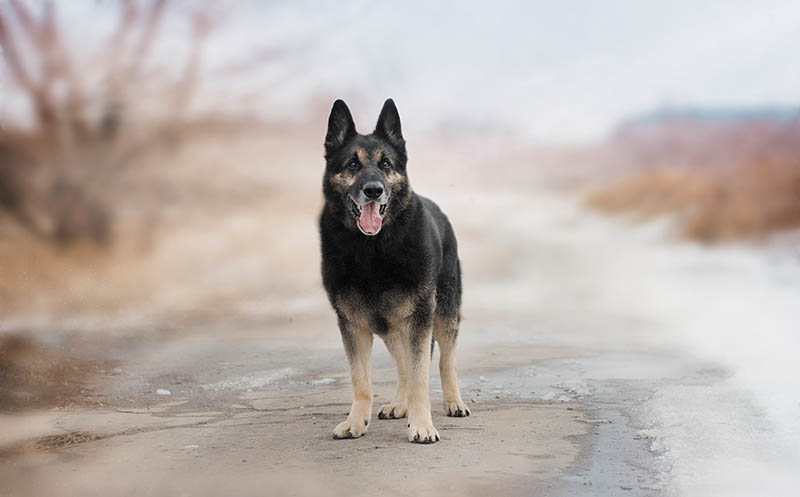
German Shepherds are widely recognized as one of the most iconic and popular dog breeds in the world. According to the American Kennel Club, they consistently rank in the top 5 most registered breeds year after year. But while many people admire these striking, intelligent dogs, not everyone is sure if a German Shepherd would make a good pet for their family.
As a veterinarian and lifelong dog lover who has shared my heart and home with several German Shepherds over the years, I‘m here to give you an honest, science-backed look at what it‘s really like to live with this special breed. We‘ll dive into the German Shepherd‘s history, temperament, training and socialization needs, health concerns, and more to help you determine if one of these loyal, loving dogs would be a good fit for your lifestyle.
German Shepherd History and Background
The German Shepherd Dog, also known as the Alsatian, GSD, or Deutsche Schäferhund, is a relatively new breed that originated in Germany in the late 1800s. According to breed historians, the German Shepherd was developed by Max von Stephanitz, a former German cavalry officer who admired the intelligence and utility of the herding dogs used by local shepherds.
Von Stephanitz purchased a dog named Hektor Linksrhein in 1899 and renamed him Horand von Grafrath. Horand became the first registered German Shepherd Dog and the foundation for the breed as we know it today. Von Stephanitz formed the Verein für Deutsche Schäferhunde (Society for the German Shepherd Dog) with the goal of selectively breeding these shepherd dogs for traits like intelligence, strength, loyalty, and a strong work ethic.
Throughout the early 20th century, German Shepherds became increasingly popular both in Europe and the United States. They served in the German military during World War I and with Allied forces in World War II as messenger dogs, rescue dogs, sentry dogs, and more. The first seeing eye dog was a female German Shepherd named Buddy who was partnered with an American named Morris Frank in 1928.
After WWII, American servicemen fell in love with the breed and brought many dogs back to the US, further cementing their popularity. German Shepherds excelled as police and military K-9s, search and rescue dogs, service dogs, and beloved family pets. Today, an estimated 36% of all police working dogs are German Shepherds, a testament to their unparalleled working ability and versatility.
German Shepherd Temperament and Personality
The ideal German Shepherd temperament is confident, courageous, alert, and eager to please. According to the breed standard, German Shepherds should be direct and fearless, but not hostile or nervous. They are naturally protective of their family and territory and aloof toward strangers, but should not show unwarranted aggression.
As a herding breed, German Shepherds have a strong prey drive and a natural instinct to chase and nip at moving objects. This means they may try to herd children, other pets, cars, bicycles, and anything else that moves quickly around them. They also have powerful jaws and like to chew, especially as puppies when they are teething. Providing appropriate chew toys and teaching bite inhibition is essential.
German Shepherds bond very deeply with their families and crave human companionship. They do not do well if left alone for long periods of time and can develop separation anxiety and destructive behaviors if not given enough attention and exercise. German Shepherds are happiest when they are included in all family activities and given a job to do, whether that‘s a sport like agility, a task like bringing in the newspaper, or simply cuddling with you on the couch.
While German Shepherds are affectionate with their families, they tend to be reserved with strangers and need proper introductions to warm up to new people. They will be polite and accepting of guests in the home if socialized properly, but they are not typically outgoing or indiscriminately friendly dogs.
A 2008 study in the journal Applied Animal Behavior Science surveyed 1,777 German Shepherd owners about their dogs‘ typical behaviors. The most commonly reported traits were:
- Trainability (95% of dogs)
- Child-friendliness (85%)
- Affection toward family (81%)
- Watchdog barking (79%)
- Excessive shedding (74%)
- Aloofness toward strangers (69%)
- Playfulness (66%)
- Strong prey drive (53%)
- Aggression toward other dogs (38%)
These results align with the typical German Shepherd temperament described in the breed standard and highlight both the positive and challenging aspects of living with this breed. There is significant variation between individual dogs, but in general, German Shepherds are intelligent, trainable, family-oriented dogs that may present some challenges in terms of shedding, barking, dog aggression, and wariness of strangers.
Training and Socialization Needs
German Shepherds are extremely intelligent and trainable dogs, but they need an owner who can provide kind, consistent leadership. As Jill Breitner, a certified dog trainer and body language expert, explains, "German Shepherds are high-energy working dogs, both physically and mentally. If you don‘t give them a ‘job‘ to do, they will find their own, and it probably won‘t be one you like."
Training should start as soon as you bring your German Shepherd puppy home and should be an ongoing process throughout their life. Positive reinforcement methods work best, as German Shepherds are sensitive dogs who do not respond well to punishment or harsh corrections. They excel at obedience training, agility, scent work, tracking, herding, and protection sports.
"It‘s incredibly important to focus on socialization from a young age," says Dr. Rachel Barrack, a veterinarian and animal acupuncturist. "Expose your German Shepherd puppy to as many new people, animals, places, sounds, textures, and experiences as possible to help them grow into a confident adult dog."
This means taking your pup to puppy kindergarten classes, inviting friends over to meet them, going on car rides, visiting the groomer, and exploring a variety of environments like parks, beaches, pet stores, and busy city streets. A well-socialized German Shepherd will be comfortable and friendly in any situation.
It‘s also important to socialize and train your German Shepherd around children, even if you don‘t have kids of your own. "They are big, powerful dogs who may knock over a small child by accident, so teaching them to be gentle is key," Dr. Barrack advises. "Make sure interactions are always closely supervised and that both the dog and the child know how to treat each other with respect."
German Shepherd Health and Lifespan
German Shepherds are generally healthy dogs with an average lifespan of 9-13 years, according to American Kennel Club data. However, like all purebred dogs, they are prone to certain genetic health conditions. Some of the most common health issues seen in German Shepherds include:
- Hip dysplasia: 19.1% affected
- Elbow dysplasia: 16.6% affected
- Degenerative myelopathy: 5-10% affected
- Gastric dilatation-volvulus (bloat): 1.2% affected
- Exocrine pancreatic insufficiency: 1-2% affected
- Allergies: 9.4% affected
- Epilepsy: 2.3% affected
Responsible breeders perform health tests on prospective parent dogs to screen for genetic issues and help produce the healthiest puppies possible. When choosing a German Shepherd puppy, look for a breeder who performs OFA or PennHIP hip and elbow screenings, GSDCA temperament tests, and other recommended health clearances.
Keeping your German Shepherd lean and fit with regular exercise, feeding a high-quality diet, providing joint supplements, and getting regular vet check-ups can also help prevent or mitigate health problems. Pet insurance can be a smart investment to help cover unexpected medical expenses.
German Shepherd Grooming and Shedding
One of the biggest challenges of owning a German Shepherd is keeping up with their shedding. These dogs have a thick double coat that sheds heavily year-round, with even heavier shedding during seasonal coat-blowing periods. Daily brushing is necessary to remove loose hair and prevent matting, and you‘ll need to vacuum frequently to keep your home fur-free.
German Shepherds only need occasional baths, as they are relatively clean dogs who don‘t tend to get smelly. However, regular ear cleaning and nail trims are important to prevent infections and keep your dog comfortable. Many German Shepherds don‘t like having their feet handled, so it‘s important to get them used to this from a young age.
Is a German Shepherd Right for You?
German Shepherds can make incredible companions in the right home, but they are not the easiest breed to own. Before getting a German Shepherd, consider the following:
- Are you prepared for heavy shedding and willing to groom your dog regularly?
- Do you have time to provide at least an hour of vigorous exercise per day?
- Are you committed to ongoing training and socialization?
- Can you provide plenty of mental stimulation with puzzle toys, games, and adventures?
- If you work long hours or travel frequently, do you have a plan for your dog‘s care?
- Are you willing to be a confident, consistent leader for a strong-willed dog?
- Do you have experience with large, active dogs?
- Is your home and yard secure enough to contain a athletic, intelligent escape artist?
- Can you afford quality food, regular vet care, and other expenses for a large dog?
- Do you have young children or other pets who will need to be supervised and managed around the dog?
If you can confidently answer yes to these questions, a German Shepherd may be a great fit for you. These loyal, loving, intelligent dogs bond deeply with their families and will be by your side through all of life‘s adventures. With proper training and socialization, they can adapt to many different lifestyles and become an indispensable part of your world.
As a veterinarian and German Shepherd devotee, I can‘t imagine life without these special dogs. They have taught me so much about loyalty, resilience, and the incredible bond between humans and animals. While they certainly present some unique challenges with their high exercise needs, strong will, and propensity for shedding, German Shepherds more than make up for it with their eagerness to please, goofy sense of humor, and unwavering devotion.
To me, there is nothing more beautiful than watching a well-trained German Shepherd confidently navigate the world with their human partner, whether they‘re playing frisbee in the park, snuggling on the couch, or serving their community as a working K-9. These dogs have a presence and gravitas that commands respect, but they also have an endearing sensitivity and capacity for love that melts your heart.
If you think you‘re ready for the challenge and the joy of sharing your life with a German Shepherd, I encourage you to do your research, find a responsible breeder or rescue organization, and open your heart and home to one of these amazing dogs. With a German Shepherd by your side, you‘ll never be alone, and you‘ll always have a loving, loyal friend who brings out the best in you. As someone who has been forever changed by these special dogs, I can confidently say that the love of a German Shepherd is one of the greatest gifts in the world.