Male vs Female German Shepherd: Which One Is Right for You?
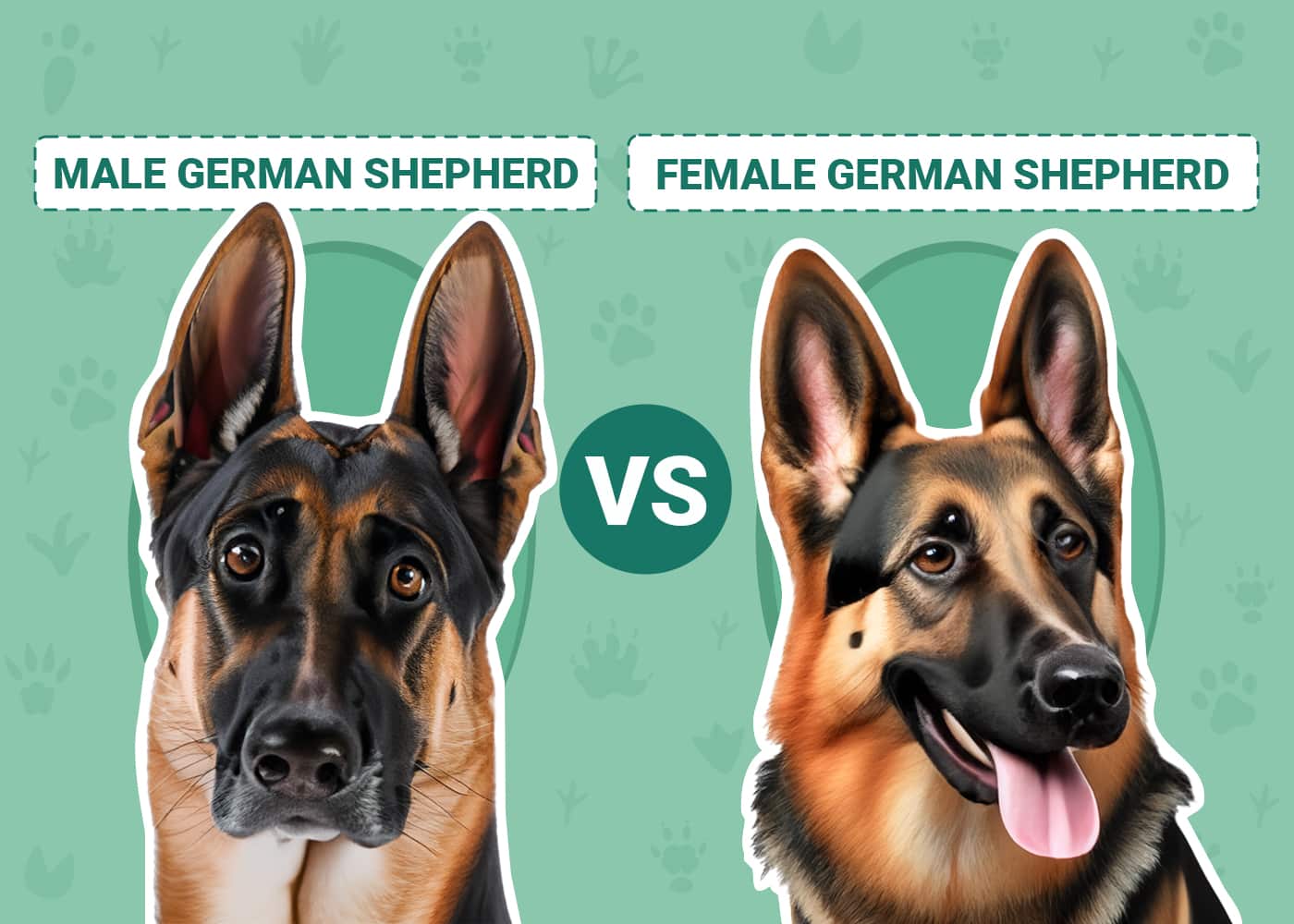
As a veterinarian and lifelong dog lover, I‘m often asked about the differences between male and female German Shepherds. Prospective owners want to know which gender will be the best fit for their lifestyle and expectations. The truth is, both males and females make wonderful companions, but there are some general differences to keep in mind.
In this article, we‘ll take an in-depth look at the key distinctions between male and female German Shepherds in terms of appearance, temperament, trainability, health and more. By the end, you‘ll have a clearer picture of which gender is right for you.
Size and Appearance
One of the most obvious differences between male and female German Shepherds is size. Males are typically larger and heavier than their female counterparts.
Here are the average size ranges for each gender:
Male German Shepherds:
- Height: 24-26 inches (60-65 cm)
- Weight: 75-90 pounds (34-40 kg)
Female German Shepherds:
- Height: 22-24 inches (55-60 cm)
- Weight: 60-75 pounds (27-34 kg)
Of course, there can be individual variations, with some dogs falling outside of these ranges. Factors like genetics, diet and spay/neuter status can all impact a dog‘s size.
Aside from height and weight, male and female German Shepherds have very similar appearances. Both genders sport the breed‘s signature black and tan coat, although they can also come in other colors like all black, sable or white. Males may appear slightly more muscular and thick-necked, but this isn‘t always the case.
Temperament and Personality
All German Shepherds are known for being loyal, protective and intelligent. However, there are some general temperament differences between males and females that are worth noting.
Male German Shepherds tend to be more dominant, territorial and protective. They have a strong instinct to guard their home and family, and may be more aloof or suspicious towards strangers. Males can be very affectionate and loving with their owners, but they often mature a bit slower than females, both physically and mentally. Adolescent male GSDs may be more rambunctious and prone to testing boundaries.
Female German Shepherds are often described as being more sensitive, nurturing and easy-going. While they still make excellent watchdogs, females may be quicker to warm up to new people once they‘ve determined there‘s no threat. Females tend to mature faster than males and can be more responsive to training at an earlier age. They often have a gentler demeanor, especially with children, but don‘t be fooled – females are every bit as brave and protective as males when needed.
It‘s important to remember that these are generalizations, and individual dogs can definitely buck the trends. Temperament is influenced by many factors, including genetics, socialization, training and environment. Some males may be big softies, while some females can be quite independent and aloof.
The key is to spend time with any potential dog before bringing them home, to make sure their personality is a good match for you. A good breeder, foster program or rescue group will allow you to interact with the dog on multiple occasions to get a feel for their unique temperament.
Trainability and Working Ability
German Shepherds of both genders are prized for their intelligence, versatility and trainability. They excel in a wide range of roles, from family pets to police K9s to service dogs.
Historically, males were more commonly used for physically demanding jobs like military and police work, while females were often favored for more nurturing roles like therapy and assistance dogs. However, these days both genders are successfully employed across the spectrum.
Females are sometimes preferred for certain specialty roles because of their lighter, more agile build and tendency to mature faster mentally. For example, the US military has found that female GSDs often outperform males as explosive detection dogs. Females also tend to be more focused and less easily distracted during training.
On the flip side, males‘ larger size can be an asset for applications like suspect apprehension or search and rescue, where physical strength is important. And of course, many males also make phenomenal service and therapy dogs.
Regardless of gender, all German Shepherds need consistent training and mental stimulation from an early age. They are an energetic, working breed that thrives on having a job to do, whether that‘s learning new obedience skills, participating in dog sports or simply being an attentive companion.
Females may have a slight edge when it comes to being responsive and eager to please in training, especially as puppies and young adults. They tend to be a bit more sensitive to corrections and praise. Males can be more independent thinkers and may go through a "teenage" phase of selective hearing. With maturity and the right motivation, most males are equally committed partners in training.
The most important thing is to adapt your training approach to your individual dog‘s personality and learning style, regardless of gender.
Health and Longevity
German Shepherds are generally a robust and healthy breed, but like all purebred dogs, they are prone to certain genetic health conditions. Some of the most common health issues seen in the breed include:
- Hip and elbow dysplasia
- Degenerative myelopathy
- Exocrine pancreatic insufficiency
- Bloat (gastric dilatation volvulus)
- Allergies and skin problems
Fortunately, many of these conditions can be screened for through responsible breeding practices. Reputable breeders will health test their breeding stock and only produce litters from dogs that have been cleared of major genetic issues.
There‘s no significant difference in overall health and longevity between male and female German Shepherds. Both genders have an average lifespan of 9-13 years.
However, there are a few sex-specific health considerations to keep in mind:
-
Females can be prone to mammary tumors, especially if left unspayed. Spaying before the first heat cycle greatly reduces this risk. Pyometra (uterine infection) is another serious condition that intact females are susceptible to as they age.
-
Males are more prone to certain cancers like testicular tumors and prostate issues, but neutering can help prevent these. Some studies have suggested that neutered males are at higher risk for orthopedic problems and certain cancers, so it‘s best to wait until they are fully grown (around 18-24 months) to neuter.
Regardless of gender, the best thing you can do for your German Shepherd‘s health is to feed a high-quality diet, keep them at a lean weight, provide plenty of exercise and follow your vet‘s recommendations for preventive care. Regular check-ups, vaccinations, parasite control and screenings can help catch any health issues early.
Spaying and Neutering
Unless you plan to responsibly breed your German Shepherd, it‘s important to have them spayed or neutered at the appropriate age. This helps prevent unwanted litters, reduces certain health risks and can curb undesirable hormone-driven behaviors.
For female German Shepherds, the ideal time to spay is after they have finished growing but before their first heat cycle (which usually occurs around 6-12 months). This dramatically reduces the risk of mammary tumors later in life. Spaying also eliminates the risk of pyometra.
For male German Shepherds, the best age to neuter is still up for debate. Some veterinarians recommend waiting until 18-24 months, when growth plates have closed and the dog has reached full physical and mental maturity. This allows for proper bone and joint development and may lower the risk of certain cancers and orthopedic issues associated with early neutering.
However, there are also benefits to neutering males earlier, such as preventing testicular cancer and reducing aggressive or roaming behaviors. Talk to your veterinarian about the pros and cons to determine the best timing for your individual dog.
It‘s generally safe for females to be bred until 8 years of age, although many breeders choose to retire them earlier. Males can sire puppies throughout their entire lives, but it‘s important to health test them regularly and give them breaks between breedings.
Living with Other Dogs
German Shepherds can do well living with other dogs, especially if raised together from a young age. However, their protective instincts and tendency to be territorial can sometimes lead to issues, particularly between dogs of the same sex.
Male German Shepherds are more likely to display aggression or dominance towards other males, even if they have been neutered. They may posture, growl or even fight to assert their status. In multi-dog households, it‘s often recommended to pair a male GSD with a female of a similar size, or a smaller male of a more submissive breed.
Female German Shepherds can usually cohabitate more peacefully with other dogs of both genders. They may still squabble with other females, but all-out fighting is less common. Females tend to be more tolerant of puppies and younger dogs.
Of course, there are exceptions to every rule – some males are very easy-going with other dogs, while some females can be quite dominant. Much depends on the individual dogs‘ personalities and the dynamics within the household.
To set your German Shepherd up for success when living with other dogs:
- Socialize them extensively as puppies with a wide variety of other dogs
- Train a solid "leave it" and recall to call them away from potential scuffles
- Always supervise interactions and be ready to intervene if play gets too rough
- Feed dogs separately to avoid resource guarding
- Provide plenty of individual attention and alone time with each dog
- Consider working with a trainer or behaviorist if issues arise
Exercise and Grooming
German Shepherds of both genders are high energy dogs that need ample daily exercise. A good rule of thumb is a minimum of 30-60 minutes per day of intensive aerobic activity, such as running, hiking, playing fetch or participating in dog sports like agility or herding. They also need plenty of mental stimulation in the form of training, puzzle toys and nose work.
Males may be slightly more energetic on average, but this varies from dog to dog. Females, especially intact ones, may have brief periods of lowered energy when they are in heat or pregnant. In general though, both genders have similar exercise needs throughout their lives. Regular activity is key to keeping GSDs happy, healthy and well-behaved.
When it comes to grooming, both male and female German Shepherds have medium-length double coats that shed quite a bit. They "blow their coats" twice a year in the spring and fall, releasing huge amounts of fur and requiring extra brushing. Weekly brushing with a pin brush or slicker brush can help keep shedding under control the rest of the year.
GSDs only need occasional baths, unless they get into something messy. Too frequent bathing can strip their coats of natural oils. Both genders may need their nails trimmed every few weeks if they don‘t wear them down naturally. Dental care is also important for this breed, as they are prone to tartar build-up and gum disease.
Some owners opt to have their dogs‘ coats professionally groomed a few times a year, especially during heavy shedding season. A good groomer can help remove loose undercoat and keep your GSD looking tidy.
Final Thoughts
At the end of the day, both male and female German Shepherds can make incredible companions for the right owners. They are loyal, loving, intelligent dogs that bond deeply with their families.
The key is to choose a dog that fits your lifestyle and experience level. If you‘re looking for a dog to compete with in high-energy sports like agility or dock diving, a male may be a good fit. If you want a slightly more sensitive and nurturing therapy dog, a female could fit the bill.
Of course, every dog is an individual, and there will always be exceptions to gender stereotypes. The best way to find your perfect match is to work with a responsible breeder or rescue group that can guide you to a dog with the right personality for you.
No matter which gender you choose, be prepared to provide your German Shepherd with plenty of exercise, training, socialization and love. In return, you‘ll have a devoted friend for life.