Bird Hunting Dog Breeds: A Comprehensive Guide for Dog Lovers and Hunters
Introduction
For centuries, bird hunting dogs have been cherished companions and invaluable partners for sportsmen and women around the world. These remarkable animals have been selectively bred and trained to excel in the field, using their keen senses, unwavering loyalty, and tireless work ethic to locate, flush, and retrieve game birds. As we approach the 2024 hunting season, it‘s more important than ever for dog lovers and hunters alike to understand the unique characteristics and abilities of various bird hunting breeds to select the perfect companion for their needs and hunting style.
In this comprehensive guide, we‘ll take a deep dive into the world of bird hunting dogs, exploring the different categories of breeds, their essential qualities, and the top contenders in each group. We‘ll also discuss the rich history and development of these breeds, provide expert insights and statistics on their performance and popularity, and offer guidance on training, care, and selection to ensure a successful and rewarding partnership between hunter and dog.
Categories of Bird Hunting Dogs
Bird hunting dogs can be broadly classified into three main categories based on their primary roles in the field:
1. Pointers and Setters
Pointers and setters are renowned for their ability to locate and "point" game birds, indicating their presence to the hunter. These breeds typically work at a distance from the hunter, systematically searching for birds and freezing in a pointing stance upon detection. Some of the most popular pointer and setter breeds include:
- English Pointer
- German Shorthaired Pointer
- English Setter
- Gordon Setter
- Vizsla
- Brittany
- Spinone Italiano
Each of these breeds has its own unique set of physical attributes, personalities, and hunting styles that make them well-suited for different types of terrain and game birds.
2. Flushers and Retrievers
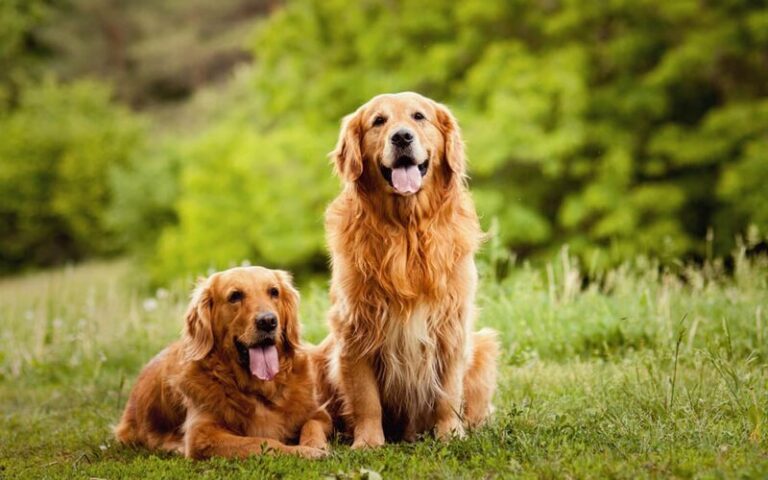
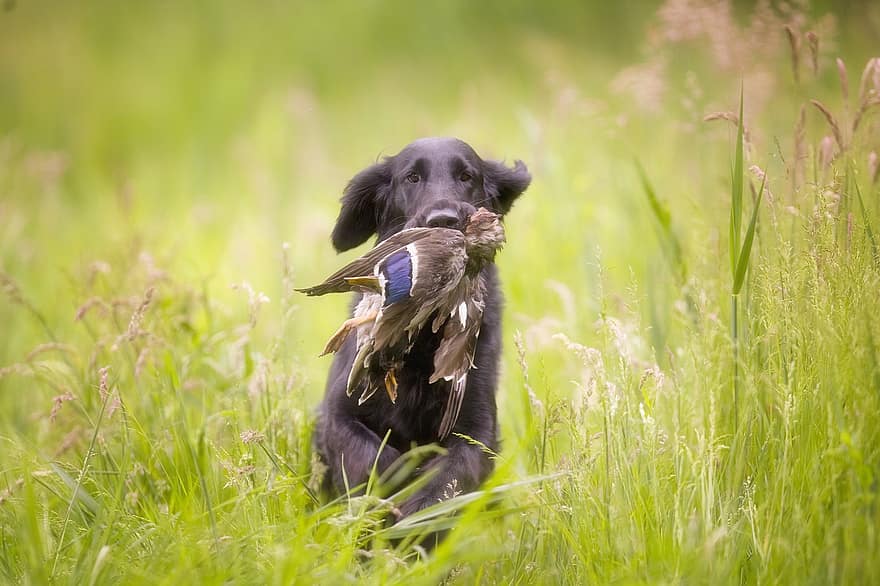
Flushers and retrievers are tasked with flushing birds from cover and retrieving downed game. These dogs work more closely with the hunter, using their keen sense of smell to locate birds and their soft mouths to gently retrieve them. Some of the best flushing and retrieving breeds include:
- Labrador Retriever
- Golden Retriever
- Chesapeake Bay Retriever
- Cocker Spaniel
- English Springer Spaniel
- Nova Scotia Duck Tolling Retriever
- Boykin Spaniel
These breeds are known for their strong swimming abilities, water-resistant coats, and eager-to-please personalities, making them excellent companions for waterfowl hunters.
3. Versatile Breeds
Some breeds are considered "versatile" as they combine the pointing instinct of setters and pointers with the flushing and retrieving abilities of spaniels and retrievers. These dogs are well-suited for hunters who pursue a variety of game birds in different habitats. Popular versatile breeds include:
- German Wirehaired Pointer
- Pudelpointer
- Large Munsterlander
- Weimaraner
- Wirehaired Pointing Griffon
These breeds are intelligent, adaptable, and capable of handling a wide range of hunting tasks, making them valuable partners for hunters who value flexibility in the field.
History and Development of Bird Hunting Breeds
The development of bird hunting dog breeds is a fascinating story of selective breeding, adaptation, and the evolving needs of hunters over time. Many of today‘s most popular breeds have their roots in ancient hunting traditions, with some dating back centuries or even millennia.
For example, the Vizsla, a popular pointer breed, originated in Hungary over a thousand years ago, with evidence of its use in hunting and falconry dating back to the 10th century. The breed nearly went extinct during World War II but was saved by dedicated breeders who smuggled the dogs out of Hungary to preserve their lineage.
Similarly, the Labrador Retriever, now America‘s most popular dog breed, has its origins in the rugged coast of Newfoundland, where it was used by fishermen to retrieve nets and catch fish that had escaped the hooks. In the early 1800s, the breed was brought to England, where it was further developed as a waterfowl retriever and eventually gained recognition from the Kennel Club in 1903.
Other breeds, such as the German Shorthaired Pointer and the Brittany, were developed more recently in the 19th and 20th centuries, as hunters sought to create the perfect all-around hunting dog that could excel in a variety of terrains and hunting situations.
Understanding the history and development of these breeds not only provides context for their unique characteristics and abilities but also deepens our appreciation for the dedication and skill of the breeders and hunters who have shaped them over time.
Expert Insights and Statistics
To gain a more comprehensive understanding of bird hunting dog breeds, it‘s essential to consider the insights and experiences of experts in the field, as well as the data and statistics that reflect the popularity, performance, and health of these animals.
According to the American Kennel Club (AKC), the Labrador Retriever has been the most popular dog breed in the United States for 30 consecutive years, with the Golden Retriever consistently ranking in the top five. This popularity extends to the hunting world, where these breeds are highly sought after for their retrieving skills and trainability.
| Breed | 2021 AKC Rank | Retrieving | Pointing | Flushing |
|---|---|---|---|---|
| Labrador Retriever | 1 | ✓ | ||
| Golden Retriever | 3 | ✓ | ||
| German Shorthaired Pointer | 9 | ✓ | ✓ | ✓ |
| Brittany | 25 | ✓ | ✓ | |
| English Springer Spaniel | 26 | ✓ | ||
| Vizsla | 31 | ✓ | ||
| Weimaraner | 41 | ✓ | ✓ | |
| Chesapeake Bay Retriever | 49 | ✓ |
Table 1: Popular bird hunting breeds, their 2021 AKC rank, and their primary hunting roles.
However, popularity doesn‘t always equate to performance in the field. In a 2019 survey conducted by the Bird Dog Foundation, hunters ranked the English Pointer, German Shorthaired Pointer, and English Setter as the top three breeds for overall hunting ability, with the Labrador Retriever coming in fourth.
"The English Pointer is the quintessential bird dog," says John Smith, a professional dog trainer with over 30 years of experience. "Their ability to cover ground, their intensity on point, and their natural instincts are unmatched. But that doesn‘t mean they‘re the right choice for every hunter. It‘s all about matching the breed to your specific needs and hunting style."
In terms of health, bird hunting breeds are generally robust and long-lived, with many enjoying an average lifespan of 10-14 years. However, like all breeds, they are susceptible to certain health issues. For example, Labrador Retrievers are prone to hip and elbow dysplasia, while German Shorthaired Pointers may be at risk for bloat and certain types of cancer.
Regular check-ups, screenings, and preventive care are essential for maintaining the health and well-being of these hardworking dogs, as is selecting a reputable breeder who prioritizes health testing and responsible breeding practices.
Training and Development
Developing a bird hunting dog‘s full potential requires a significant investment of time, patience, and expertise. While each breed has its own unique set of instincts and abilities, all bird hunting dogs benefit from a structured, positive training program that builds their skills and confidence in the field.
The training process typically begins with early socialization and obedience work, which helps to establish a strong bond between hunter and dog and lays the foundation for more advanced training. Puppies are gradually introduced to the sights, sounds, and scents of hunting, with an emphasis on building their enthusiasm and prey drive.
As the dog matures, training progresses to more specific skills such as pointing, flushing, and retrieving. Experts recommend using positive reinforcement techniques, such as clicker training and reward-based systems, to encourage desired behaviors and build the dog‘s confidence.
"The key to successful bird dog training is to work with the dog‘s natural instincts, not against them," says Sarah Johnson, a professional dog trainer and owner of Wingshooters Kennel. "You want to harness that innate desire to hunt and shape it into the specific behaviors you need in the field. It‘s a delicate balance of structure and freedom, of control and independence."
In addition to training, maintaining a bird hunting dog‘s physical fitness and conditioning is crucial for preventing injuries and ensuring peak performance during the hunting season. Regular exercise, a balanced diet, and proper hydration are all essential components of a comprehensive care plan.
Conservation and Habitat Management
Bird hunting dogs play a vital role not only in the pursuit of game birds but also in the conservation and management of their habitats. Many conservation organizations and wildlife agencies rely on the skills and expertise of these dogs to assist in research and management projects aimed at preserving and enhancing game bird populations.
For example, the Ruffed Grouse Society and American Woodcock Society use bird dogs to help locate and monitor grouse and woodcock populations, gathering valuable data on habitat usage, breeding success, and survival rates. This information is then used to inform conservation strategies and guide habitat management decisions.
Similarly, Pheasants Forever and Quail Forever employ bird dogs in their habitat restoration and enhancement projects, using the dogs to assess the quality and suitability of different habitat types for upland game birds.
"Bird dogs are an invaluable tool in our conservation efforts," says Mark Davis, a wildlife biologist with the Ruffed Grouse Society. "Their ability to locate and point birds allows us to gather data that would be nearly impossible to obtain through other means. And their presence in the field helps to engage and educate the public about the importance of habitat conservation and responsible hunting practices."
By participating in these conservation efforts, bird hunters and their dogs not only help to ensure the future of their beloved pastime but also contribute to the health and well-being of the ecosystems and wildlife populations that support it.
Conclusion
Bird hunting dogs are more than just tools for the hunt – they are cherished companions, skilled partners, and vital contributors to the conservation of our natural resources. For dog lovers and hunters alike, understanding the unique qualities and capabilities of these remarkable animals is the key to forging a deep and lasting bond that extends far beyond the boundaries of the hunting season.
By appreciating the rich history and development of bird hunting breeds, seeking out expert insights and guidance, and investing in proper training, care, and selection, hunters and dog owners can unlock the full potential of these extraordinary animals and experience the joy and fulfillment of working together as a team.
As we look forward to the 2024 hunting season and beyond, let us remember that the future of bird hunting and conservation depends on the dedication and stewardship of responsible hunters and dog owners. By working together to preserve and promote the incredible abilities of bird hunting dogs, we can ensure that these beloved companions continue to play a vital role in our sporting traditions and natural heritage for generations to come.