What Is an F1 Cockapoo? Types & Generations Explained
Introduction to Cockapoos
Cockapoos, a delightful cross between a Cocker Spaniel and a Poodle, have captured the hearts of dog lovers worldwide. This charming breed has a rich history dating back to the 1960s when they were first intentionally bred in the United States. Since then, Cockapoos have risen in popularity, thanks to their adorable appearance, friendly disposition, and hypoallergenic coat.
As a veterinary expert and dog lover, I‘ve had the pleasure of working with numerous Cockapoos over the years. Their endearing personalities and adaptability make them wonderful companions for individuals and families alike. In this comprehensive guide, we‘ll dive deep into the world of F1 Cockapoos, exploring their unique characteristics, generations, and what makes them so special.
Defining F1 Cockapoos
When researching Cockapoos, you may have come across the term "F1." This designation refers to the first generation of Cockapoos, which are the direct offspring of a purebred Cocker Spaniel and a purebred Poodle. F1 Cockapoos are known for their hybrid vigor, a phenomenon where the first generation of a crossbreed exhibits enhanced health, vitality, and overall performance compared to their purebred parents.
One of the main advantages of F1 Cockapoos is their increased genetic diversity. By combining the genes of two distinct breeds, F1 Cockapoos are less likely to inherit breed-specific health issues that may be more prevalent in purebred dogs. However, it‘s important to note that while hybrid vigor can reduce the risk of certain health problems, it doesn‘t guarantee a disease-free dog.
On the flip side, F1 Cockapoos can exhibit more variations in appearance and temperament compared to later generations. As they are the direct result of mixing two different breeds, F1 Cockapoos may lean more towards the characteristics of one parent breed or display a unique blend of both.
Understanding Cockapoo Generations
To fully grasp the concept of F1 Cockapoos, it‘s essential to understand the different Cockapoo generations and their designations. Here‘s a detailed breakdown:
- F1: The first generation, resulting from a purebred Cocker Spaniel and a purebred Poodle.
- F1b: A backcross between an F1 Cockapoo and either a purebred Cocker Spaniel or a purebred Poodle. The "b" stands for "backcross."
- F2: The second generation, produced by breeding two F1 Cockapoos together.
- F2b: A backcross between an F2 Cockapoo and either a purebred Cocker Spaniel or a purebred Poodle.
- F3: The third generation, resulting from breeding two F2 Cockapoos together.
- Subsequent generations (F4, F5, etc.) follow the same naming pattern.
Backcrossing is a common practice among Cockapoo breeders to maintain or enhance specific traits, such as a hypoallergenic coat or a particular appearance. For example, breeding an F1 Cockapoo back to a Poodle (resulting in an F1b) can increase the likelihood of a low-shedding coat.
It‘s worth mentioning that some Cockapoos may exhibit the "grandfather effect," also known as a throwback. This occurs when a puppy strongly resembles one of the original purebred parent breeds, rather than displaying the typical Cockapoo appearance. Throwbacks are more likely to occur in earlier generations, such as F1 or F2 Cockapoos.
Cockapoo Appearance and Size Variations
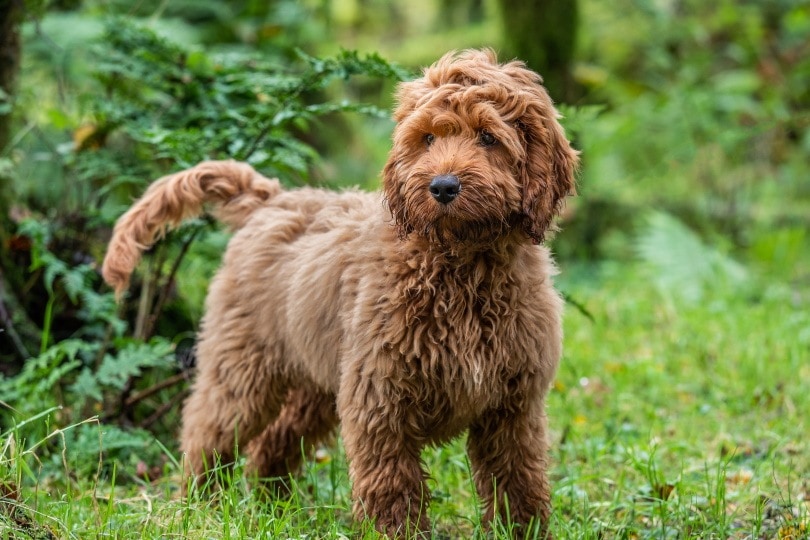
One of the most appealing aspects of Cockapoos is their diverse appearance. As a mixed breed, Cockapoos can inherit various traits from their Cocker Spaniel and Poodle parents, resulting in a wide range of sizes, coat types, and colors.
Size-wise, Cockapoos can be categorized into three main groups:
-
Toy Cockapoos: Typically weighing under 12 pounds and standing less than 10 inches tall at the shoulder. These petite pups are well-suited for apartment living and make excellent lap dogs.
-
Miniature Cockapoos: Weighing between 13 and 18 pounds and standing 11 to 14 inches tall. Miniature Cockapoos are the most popular size, offering a great balance of portability and sturdiness.
-
Standard Cockapoos: The largest of the bunch, weighing 19 to 30 pounds and standing 15 inches or taller. Standard Cockapoos are better suited for homes with more space and active lifestyles.
Cockapoo coats can be either straight, wavy, or curly, depending on which parent breed they favor. They come in a wide array of colors, including black, white, cream, apricot, red, sable, and various combinations of these hues. Some Cockapoos may even sport unique markings, such as a white blaze on their face or a parti-colored coat.
Cockapoo Temperament and Trainability
One of the reasons Cockapoos have become so popular is their delightful temperament. These affectionate dogs are known for their friendly, outgoing nature and love of human companionship. They are intelligent, eager to please, and generally easy to train, making them a great choice for first-time dog owners or families with children.
Like all dogs, Cockapoos require proper socialization from a young age to develop into well-rounded, confident adults. Exposing your Cockapoo puppy to various people, animals, and environments will help them grow into a well-adjusted dog.
Cockapoos are adaptable and can thrive in different living situations, from apartments to spacious homes. They are moderately active and enjoy daily walks, playtime, and interactive games that challenge their minds. Regular exercise and mental stimulation are essential to keep your Cockapoo happy and well-behaved.
Health Concerns and Lifespan
While F1 Cockapoos benefit from hybrid vigor, they can still be prone to certain health issues. Some of the most common health concerns in Cockapoos include:
- Hip dysplasia
- Patellar luxation
- Progressive retinal atrophy (PRA)
- Ear infections
- Allergies
To minimize the risk of these issues, it‘s crucial to work with a reputable breeder who performs health screenings on their breeding dogs. Responsible breeders will be transparent about their dogs‘ health records and provide documentation of any genetic tests or clearances.
On average, Cockapoos have a lifespan of 12 to 15 years. Factors such as diet, exercise, and regular veterinary care can influence a Cockapoo‘s longevity. Providing your dog with a balanced diet, maintaining a healthy weight, and staying up-to-date on preventive care can help ensure a long, happy life.
Grooming and Maintenance
Cockapoos are often touted as low-shedding or hypoallergenic dogs, making them a popular choice for allergy sufferers. However, it‘s important to note that no dog is truly hypoallergenic, and individual allergic reactions can vary.
The grooming requirements for Cockapoos depend on their coat type. Those with curlier coats may require more frequent grooming to prevent matting and tangles, while Cockapoos with straighter coats may be easier to maintain. Regardless of coat type, regular brushing, trimming, and bathing are essential to keep your Cockapoo looking and feeling their best.
In addition to coat care, Cockapoos require regular dental hygiene, nail trimming, and ear cleaning to maintain overall health and comfort. Establishing a consistent grooming routine from puppyhood can help your Cockapoo become accustomed to these necessary tasks.
Finding a Reputable Cockapoo Breeder
When searching for an F1 Cockapoo, it‘s essential to work with a reputable breeder who prioritizes the health and well-being of their dogs. A responsible breeder will:
- Perform health screenings on their breeding dogs
- Provide documentation of health clearances and genetic tests
- Allow you to visit their facility and meet the parent dogs
- Ask questions about your lifestyle and experience to ensure a good match
- Offer a contract outlining their responsibilities and guarantee
Be wary of breeders who seem more interested in making a quick sale than ensuring their puppies go to suitable homes. Avoid purchasing a Cockapoo from a pet store, as these puppies often come from puppy mills or irresponsible breeders.
Alternatives to F1 Cockapoos
While F1 Cockapoos are a popular choice, they may not be the right fit for everyone. If you‘re interested in a Cockapoo but are open to other options, consider:
- Other Cockapoo generations: F1b, F2, or later generations may have more predictable traits and appearances.
- Similar hybrid breeds: Cavapoos (Cavalier King Charles Spaniel x Poodle) or Maltipoos (Maltese x Poodle) share many of the same appealing qualities as Cockapoos.
- Adopting an adult Cockapoo: Many wonderful Cockapoos find themselves in need of new homes due to various circumstances. Adopting an adult dog allows you to skip the puppy stage and provide a loving home to a dog in need.
Conclusion
F1 Cockapoos are a delightful cross between Cocker Spaniels and Poodles, offering the best of both breeds in a charming, low-shedding package. By understanding the different Cockapoo generations, their unique characteristics, and the importance of responsible breeding, you can make an informed decision when adding one of these lovable dogs to your family.
Remember, while F1 Cockapoos are adored for their many wonderful qualities, they still require a committed, loving home that can provide them with the care, training, and attention they need to thrive. By being a responsible owner and prioritizing your dog‘s well-being, you can enjoy many happy years with your devoted Cockapoo companion.