Blue Nose Pitbull Puppies: The Ultimate Guide for 2026
So, you‘ve fallen in love with the striking good looks and irresistible charm of a blue nose pitbull puppy. I can‘t say I blame you! As a long-time pitbull owner and advocate, I‘m constantly in awe of these incredible dogs and their capacity for love, loyalty and goofball antics.
But before you rush out to find a blue nose pup of your own, it‘s important to arm yourself with knowledge about this unique color variation of the American Pit Bull Terrier (APBT). In this ultimate guide, we‘ll dive deep into the origin, history, physical characteristics, temperament, training and care of blue nose pitbull puppies so you can make an informed decision about whether this is the right breed for you.
The History and Origin of Blue Nose Pitbulls
The blue nose pitbull is not a separate breed from the American Pit Bull Terrier, but rather a color variation caused by a recessive gene that dilutes black pigment to a grayish-blue color. This gene affects not only the coat color but also the skin, resulting in the characteristic blue-gray nose, paw pads and even eyes.
According to a study by the American Pit Bull Registry, only around 7% of the registered APBT population carries the blue dilution gene, making blue nose pitbulls relatively rare compared to other color variations like red nose or fawn (Source: AmericanPitBullRegistry.com).
The history of the blue nose pitbull is intertwined with that of the APBT breed as a whole. Pitbulls were originally bred in England in the early 1800s for the cruel sports of bull-baiting and dog fighting. When these practices were outlawed in 1835, pitbulls were brought to America where they gained popularity as farm dogs, family pets and even military mascots.
It‘s unclear exactly when the blue coloration first appeared in pitbulls, but it‘s likely that it was present in some of the earliest breeding lines. However, it wasn‘t until the late 20th century that blue nose pitbulls began to be selectively bred for their unique appearance.
Physical Characteristics and Coat Colors
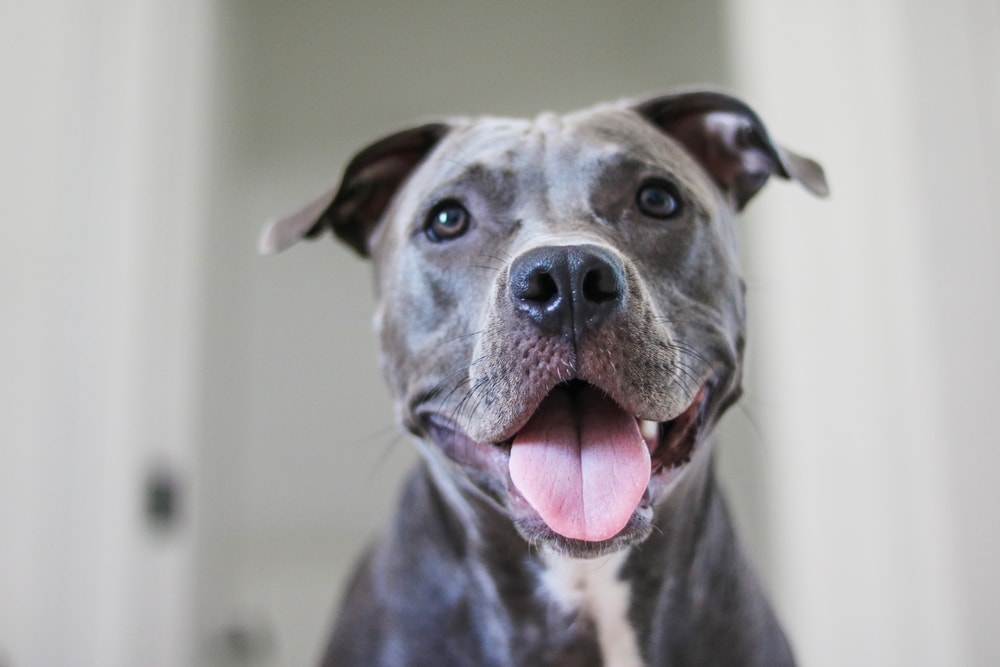
Blue nose pitbull puppies are born with a grayish-blue coat that can range in shade from a deep charcoal to a pale silver-blue. This coloration is most noticeable on the nose, but also affects the paw pads, lips and even the eyes, which may be blue, gray or amber.
As blue nose pitbull puppies mature, their coat color may change slightly. Some dogs will keep their rich, dark blue coloration throughout their lives, while others may "fade" to a lighter gray or even a brownish-gray as they age. This fading is more common in dogs with lighter blue coats to begin with.
It‘s important to note that not all pitbulls with blue coats are considered true "blue nose" pitbulls. To be classified as a blue nose, a dog must have the gray-blue coloration on their nose and paw pads, not just their coat. Some pitbulls may have a blue brindle or blue fawn coat with a black or red nose, for example.
Another coat color variation often confused with blue is merle. Merle is a mottled pattern of dark patches on a lighter background, often with blue or odd-colored eyes. While merle is common in other breeds like Australian Shepherds and Catahoula Leopard Dogs, it is not a naturally occurring pattern in pitbulls.
Merle pitbulls are often the result of crossbreeding with other breeds or deliberate genetic manipulation by unscrupulous breeders. Not only is this practice unethical, but it can also lead to serious health problems like deafness, blindness and skin disorders in the puppies (Source: ASPCA.org).
Aside from their striking coat color, blue nose pitbulls have all the physical characteristics of the APBT breed. They are medium-sized dogs with short, smooth coats, broad chests and muscular bodies. Males typically weigh between 35-60 pounds and stand 18-21 inches tall at the shoulder, while females are slightly smaller at 30-50 pounds and 17-20 inches tall.
Temperament and Personality Traits
One of the biggest misconceptions about pitbulls is that they are inherently aggressive or dangerous dogs. This couldn‘t be further from the truth. When raised in a loving, responsible home and given proper training and socialization, pitbulls are some of the most affectionate, loyal and people-oriented dogs you‘ll ever meet.
Blue nose pitbulls are no different in terms of temperament than any other color of APBT. They are intelligent, eager to please and thrive on human companionship. They are also known for their goofy, playful personalities and love of life. As one blue nose pitbull owner puts it:
"My boy Blue is the biggest lovebug you‘ll ever meet. He‘s always ready for a cuddle or a game of fetch, and his tail never stops wagging. He‘s also super smart and picks up new commands quickly. I can‘t imagine life without his big, goofy smile." – Sarah K., Boston, MA
That‘s not to say that pitbulls don‘t have some unique challenges as a breed. They are a powerful, high-energy dogs that require a lot of exercise and mental stimulation to stay happy and well-behaved. They also have a strong prey drive and may not do well in homes with small animals like cats or rabbits unless carefully socialized from a young age.
Pitbulls can also be somewhat territorial and may be wary of strangers or other dogs if not properly socialized. This is why it‘s so important to start training and socialization early with your blue nose pitbull puppy and to continue reinforcing good behavior throughout their life.
Health and Lifespan
Like all purebred dogs, blue nose pitbulls can be prone to certain genetic health issues. Some of the most common health problems seen in the breed include:
- Hip dysplasia: a malformation of the hip joint that can cause arthritis and lameness, affecting up to 20% of pitbulls (Source: PitBullLovers.com)
- Allergies: pitbulls may be prone to skin allergies, food sensitivities and other allergic reactions, with an estimated 15% of the breed affected (Source: PetMD.com)
- Thyroid issues: hypothyroidism is a common hormonal disorder in pitbulls, affecting up to 12% of the breed (Source: VCAHospitals.com)
- Heart disease: some pitbulls may inherit congenital heart defects like aortic stenosis, which affects around 2% of the breed (Source: Universities Federation for Animal Welfare)
- Eye problems: pitbulls can be prone to eye diseases like cataracts, progressive retinal atrophy and cherry eye, with up to 8% of the breed affected (Source: AnimalEyeCare.net)
The good news is that many of these health issues can be prevented or managed with proper screening, diet and veterinary care. Responsible breeders will health test their dogs for common genetic conditions and only breed those with the best chances of producing healthy puppies.
The average lifespan of a blue nose pitbull is 10-15 years, which is on par with other medium-to-large sized breeds. However, some individual dogs may live even longer with proper care and nutrition. The oldest known pitbull was a red nose named Max who lived to be 26 years old! (Source: GuinnessWorldRecords.com)
To give your blue nose pitbull the best chance at a long, healthy life, be sure to feed them a high-quality, balanced diet, provide plenty of exercise and mental stimulation, and keep up with regular veterinary check-ups and preventative care.
Training and Socialization
Proper training and socialization are essential for all dogs, but especially for a powerful, high-energy breed like the blue nose pitbull. Start training your puppy as early as possible, ideally from 8-12 weeks old, using positive reinforcement methods like treats, praise and playtime.
Some key things to focus on with your blue nose pitbull puppy include:
- Basic obedience: teach your puppy commands like sit, stay, come and heel to establish a foundation of good behavior and communication
- Socialization: expose your puppy to a wide variety of people, animals, sights, sounds and experiences to help them grow into a confident, well-adjusted adult dog
- Leash training: teach your pitbull to walk calmly on a leash without pulling or lunging, using treats and praise to reinforce good behavior
- Bite inhibition: help your puppy learn to control the force of their mouth during playtime and discourage any nipping or rough play
- Crate training: get your puppy used to spending time in a crate for short periods, which can be useful for housetraining, travel and preventing destructive behavior
As your blue nose pitbull matures, continue to reinforce their training and provide plenty of mental and physical exercise to keep them stimulated and well-behaved. Pitbulls excel at obedience, agility, nose work and other dog sports, which can be a great way to bond with your dog and give them a job to do.
Socialization is especially important for pitbulls, who may be more prone to fear or aggression towards unfamiliar people or animals if not properly introduced. Take your pitbull to puppy classes, dog parks, and other social settings to help them learn to interact appropriately with other dogs and people.
It‘s also important to teach your pitbull good manners around children and to always supervise their interactions. While pitbulls can be wonderful family dogs, they are a large, strong breed that may accidentally knock over or play too roughly with small children.
Living with a Blue Nose Pitbull
As a pitbull owner, it‘s important to be aware of the breed‘s unique needs and challenges. Pitbulls are high-energy dogs that require a lot of exercise and mental stimulation to stay happy and healthy. Plan on giving your blue nose pitbull at least 1-2 hours of exercise per day, including walks, runs, playtime and training sessions.
Pitbulls are also very people-oriented dogs that thrive on human companionship. They do not do well when left alone for long periods of time and may develop separation anxiety or destructive behavior if not given enough attention and interaction.
If you work long hours or travel frequently, consider hiring a pet sitter or dog walker to give your pitbull the care and attention they need while you‘re away. You can also provide your pitbull with puzzle toys, chews and other mentally stimulating activities to keep them occupied while you‘re gone.
Another challenge of owning a pitbull is the breed‘s undeserved reputation as dangerous or aggressive dogs. Many people still have misconceptions about pitbulls based on sensationalized media stories and stereotypes, which can lead to discrimination and even breed-specific legislation (BSL) in some areas.
As a responsible pitbull owner, it‘s important to be an advocate for the breed and to educate others about the true nature of these loving, loyal dogs. Always keep your pitbull on a leash in public, and be prepared to answer questions or dispel myths about the breed when necessary.
It‘s also a good idea to have your pitbull spayed or neutered, microchipped and enrolled in obedience classes to demonstrate your commitment to responsible ownership. Many pitbull rescue organizations and advocacy groups offer resources and support for owners looking to be good ambassadors for the breed.
Fun Facts About Blue Nose Pitbulls
- The United Kennel Club (UKC) recognizes the American Pit Bull Terrier as a breed, but does not consider blue nose pitbulls to be a separate variety or breed.
- The term "pitbull" actually refers to several different breeds, including the American Pit Bull Terrier, American Staffordshire Terrier, Staffordshire Bull Terrier and American Bully.
- Pitbulls have been used as therapy dogs, search-and-rescue dogs and even war heroes. A pitbull named Sergeant Stubby was the most decorated dog in World War I, serving in 17 battles and earning a Purple Heart (Source: Smithsonian Magazine).
- Famous blue nose pitbulls in pop culture include Daddy from the TV show "Dog the Bounty Hunter," Chance from "Homeward Bound" and Hank from "The Walking Dead."
- The average litter size for blue nose pitbulls is 5-10 puppies, and puppies typically weigh 7-10 ounces at birth (Source: DogTime.com).
- Blue nose pitbull puppies are born with their eyes and ears closed and don‘t open them until around 2-3 weeks old. They are fully weaned and ready to go to their new homes by 8 weeks old.
- The most expensive blue nose pitbull on record was a puppy named Hulk who sold for $500,000 in 2015 (Source: Barcroft TV). However, the average price for a blue nose pitbull puppy from a reputable breeder is $1,000-$3,000.
Final Thoughts
Blue nose pitbull puppies are undeniably adorable, with their striking gray-blue coats and soulful eyes. But as with any breed, it‘s important to do your research and make sure you are ready for the responsibility of owning a pitbull before bringing one home.
Pitbulls are high-energy, people-oriented dogs that require a lot of exercise, training and attention to thrive. They can also face discrimination and housing restrictions due to breed stereotypes and legislation.
However, for those who are willing to put in the time and effort to be responsible pitbull owners, the rewards are immeasurable. Pitbulls are some of the most loving, loyal and affectionate dogs you will ever meet, and they have the power to change hearts and minds with their goofy smiles and unbridled enthusiasm for life.
If you do decide to add a blue nose pitbull puppy to your family in 2024, be sure to choose a reputable breeder who health tests their dogs and prioritizes temperament over color. Avoid pet stores, online sellers and anyone who seems more interested in making a quick profit than finding good homes for their puppies.
With proper care, training and socialization, your blue nose pitbull will be a cherished member of your family for many years to come. And who knows – maybe they‘ll even change some minds along the way about this misunderstood and unfairly maligned breed.
Here‘s to a future filled with more wagging tails, sloppy kisses and unconditional love from our blue-nosed besties!
| Blue Nose Pitbull | Red Nose Pitbull |
|---|---|
| Coat color dilution gene (dd) | Normal coat color gene (DD or Dd) |
| Gray, blue or silver coat | Red, brown, fawn or brindle coat |
| Blue or gray nose | Red or pink nose |
| 7% of the APBT population | 93% of the APBT population |
| Same temperament and care needs | Same temperament and care needs |
*Source: American Pit Bull Registry