Boxer Dog Breeds & Colors: A Comprehensive Guide

Boxers are a beloved breed known for their loyal, playful, and protective nature. While technically a single breed, there are different types of Boxers based on their country of origin, each with slight variations in appearance and temperament. Additionally, Boxers come in a range of colors and patterns that add to their unique appeal. In this comprehensive guide, we‘ll explore the different Boxer types, their distinguishing characteristics, and the array of coat colors they can possess.
The Three Main Boxer Types
1. American Boxer
The American Boxer is a popular variety known for its sleek, smooth coat and elegant appearance. Bred primarily for show purposes, these dogs possess a calm and patient demeanor, making them excellent family companions. American Boxers are recognized by their lack of wrinkles and their slender, graceful build. They are intelligent, affectionate, and highly trainable, which contributes to their success in the show ring and their popularity as pets.
2. German Boxer
As the original Boxer type, the German Boxer is considered the traditional standard. These dogs are characterized by their muscular build, which is typically more substantial compared to other Boxer types. German Boxers have shorter snouts than their American counterparts and wider muzzles than the English variety. They embody the classic Boxer temperament—energetic, brave, and devoted to their families. German Boxers are true to their ancestry and maintain the breed‘s original qualities.
3. English Boxer
Also known as the United Kingdom Boxer, this type is slightly smaller in size compared to the American and German varieties. English Boxers have thin, elegant legs and small, compact paws with sharp nails. Despite their leaner frame, they possess strong, well-defined muscles that excel in agility and athleticism. English Boxers are known for their protective instincts and can be reserved with strangers while being deeply loyal to their owners. They gained recognition from the Kennel Club in the 1940s and remain a popular choice in the United Kingdom.
The Spectacular Spectrum of Boxer Colors
1. Fawn
Fawn is the most common and widely recognized color in Boxers. It encompasses a range of shades from light tan to rich, reddish hues. Some fawn Boxers may exhibit variations of yellow, brown, or even mahogany tones. Fawn Boxers are the quintessential image that comes to mind when picturing this breed, and they are highly sought after by dog enthusiasts worldwide.
2. Brindle
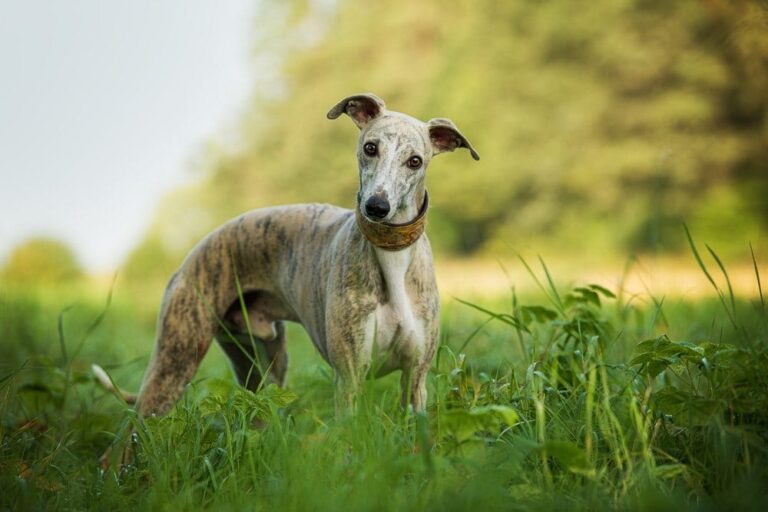
Brindle is a striking coat pattern characterized by darker streaks overlaying a base color, typically fawn or red. The contrast between the base color and the stripes creates a marbled or tiger-like effect, adding depth and dimension to the Boxer‘s appearance. Brindle patterns can vary in thickness and distribution, resulting in unique and eye-catching coat designs. All three Boxer types can exhibit the brindle pattern.
3. White
White Boxers are relatively rare and sometimes mistakenly considered inferior to other colors. However, white Boxers are not albinos and do not inherently face any additional health issues compared to their colored counterparts. They possess the same charming personalities and loyal dispositions as any other Boxer. While less common, white Boxers are equally deserving of love and appreciation.
4. Black (Seal Brindle)
Contrary to popular belief, there is no such thing as a true black Boxer. Boxers lack the genetic makeup to produce a solid black coat. However, some brindle Boxers can have such thick, dark stripes that they appear black to the untrained eye. This phenomenon is known as "seal brindle," where the dense, dark brindle pattern almost entirely obscures the lighter base color underneath. While not genuinely black, seal brindle Boxers are often mistakenly advertised as such.
Choosing the Perfect Boxer
When deciding on a Boxer, it‘s essential to consider both the type and color that align with your preferences and lifestyle. Each Boxer type has its own unique qualities, from the American Boxer‘s elegance to the German Boxer‘s muscular build and the English Boxer‘s lean athleticism. Similarly, coat color is a matter of personal taste, with fawn, brindle, white, and seal brindle options to choose from.
Regardless of the type or color, all Boxers share the breed‘s core traits of intelligence, loyalty, and an affectionate nature. They make wonderful companions and thrive in active, loving households. When selecting a Boxer puppy, prioritize health, temperament, and the breeder‘s reputation over specific color preferences.
Caring for Your Boxer‘s Coat
Boxers have short, smooth coats that are relatively low-maintenance in terms of grooming. Regular brushing with a soft-bristled brush or grooming mitt can help remove loose fur and maintain a glossy, healthy coat. Occasional baths using a gentle, dog-specific shampoo can keep your Boxer clean and fresh.
It‘s important to note that Boxers, like many short-coated breeds, can be prone to skin sensitivities. Provide a balanced diet, regular parasite prevention, and protect your Boxer from extreme weather conditions to promote optimal coat and skin health.
Boxer Colors and Health
While coat color alone does not determine a Boxer‘s overall health, responsible breeding practices and genetic testing are crucial for maintaining the breed‘s well-being. Reputable breeders prioritize health screenings and carefully select breeding pairs to minimize the risk of inherited health issues.
Some health concerns that Boxers may face include hip dysplasia, heart conditions, thyroid problems, and certain cancers. Regular veterinary check-ups, a balanced diet, and appropriate exercise are essential for all Boxers, regardless of their type or color.
Boxer Colors Around the World
Boxer color preferences can vary depending on geographical location and cultural influences. In some regions, fawn Boxers may be more popular, while in others, brindle or white Boxers might be more sought after. However, it‘s important to remember that a Boxer‘s color does not define its quality as a companion or its adherence to breed standards.
Kennel clubs worldwide recognize and appreciate the diversity of Boxer colors. The American Kennel Club (AKC), the Kennel Club (KC) in the United Kingdom, and the Fédération Cynologique Internationale (FCI) all accept fawn, brindle, and white Boxers in their breed registries.
Famous Boxers and Their Colors
Throughout history, Boxers of various colors have left their mark on popular culture and captured the hearts of dog lovers worldwide. Some notable examples include:
- Bang Away, a fawn Boxer, who won Best in Show at the Westminster Kennel Club Dog Show in 1951.
- Bud, a brindle Boxer, who accompanied Horatio Nelson Jackson on the first cross-country automobile trip in the United States in 1903.
- Punch and Judy, two fawn Boxers owned by Humphrey Bogart and Lauren Bacall, who were frequently photographed with their famous owners.
These celebrated Boxers demonstrate that color is secondary to the breed‘s overall character, abilities, and companionship.
Conclusion
Boxers are a versatile and beloved breed that come in different types and a range of captivating colors. Whether you prefer the elegance of the American Boxer, the muscular build of the German Boxer, or the lean athleticism of the English Boxer, there is a perfect match for every dog lover. From the classic fawn to the striking brindle and the rare white, Boxer colors add to the breed‘s visual appeal and uniqueness.
When choosing a Boxer, prioritize health, temperament, and compatibility with your lifestyle over specific color preferences. With proper care, training, and love, your Boxer will be a loyal and cherished companion, regardless of its type or coat color.
Embrace the diversity of Boxer breeds and colors, and celebrate the shared qualities that make these dogs exceptional companions. Their intelligence, affection, and zest for life transcend superficial differences, reminding us of the true essence of the Boxer spirit.