
Can a Vaccinated Dog Get Rabies? A Veterinarian‘s Comprehensive Guide
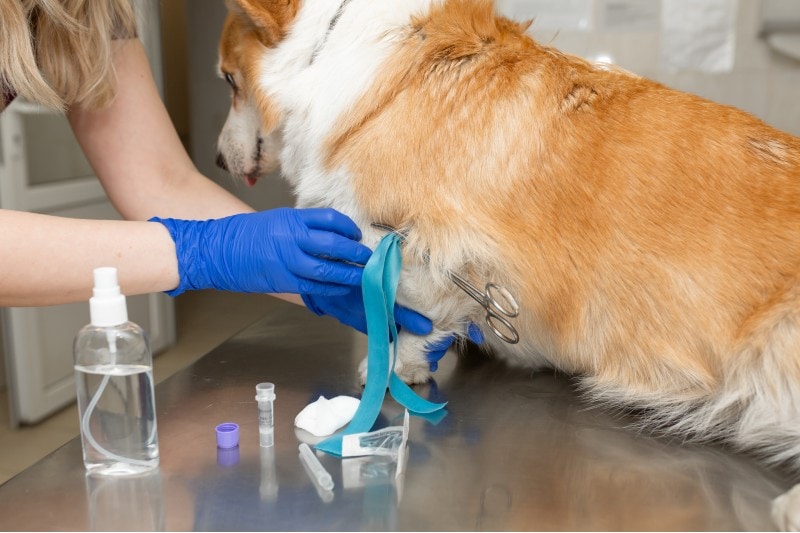
As a veterinarian and lifelong dog lover, I know firsthand the importance of protecting our furry friends from the deadly rabies virus. While vaccination is the most effective way to prevent rabies in dogs, many pet owners still have questions and concerns about the disease and the vaccine‘s efficacy. In this comprehensive guide, we‘ll explore the topic in-depth, providing evidence-based information and expert insights to help you make informed decisions about your dog‘s health.
The Global Burden of Rabies
Rabies is a devastating viral disease that affects the nervous system of mammals, including dogs and humans. According to the World Health Organization (WHO), rabies is responsible for an estimated 59,000 human deaths worldwide each year, with over 95% of these cases occurring in Africa and Asia. The vast majority of human rabies cases are caused by dog bites, underscoring the importance of canine rabies vaccination.
| Region | Annual Human Rabies Deaths | Percentage of Global Cases |
|---|---|---|
| Africa | 21,500 | 36.4% |
| Asia | 35,000 | 59.3% |
| Americas | 300 | 0.5% |
| Europe | 100 | 0.2% |
| Oceania | 10 | <0.1% |
Source: World Health Organization (WHO), 2021
In the United States, canine rabies vaccination programs have been highly successful in reducing the incidence of the disease. According to the Centers for Disease Control and Prevention (CDC), only 1-3 human rabies cases are reported annually in the U.S., and most of these cases are attributed to bat exposures rather than dog bites.
The History of Canine Rabies Vaccination
The development of the first rabies vaccine for dogs in the late 19th century marked a turning point in the fight against this deadly disease. In 1885, French scientist Louis Pasteur successfully vaccinated a dog against rabies, paving the way for widespread vaccination programs.
Over the past century, canine rabies vaccination has played a crucial role in reducing the incidence of human rabies cases worldwide. In the United States, for example, the number of annual human rabies deaths has decreased from 100 or more in the early 1900s to just 1-3 cases per year in recent decades. This dramatic reduction can be largely attributed to the implementation of mandatory rabies vaccination laws for dogs in most states.
Types of Rabies Vaccines for Dogs
There are two main types of rabies vaccines available for dogs: monovalent and polyvalent vaccines. Monovalent vaccines protect against a single virus (in this case, rabies), while polyvalent vaccines protect against multiple diseases, such as rabies, distemper, and parvovirus.
Rabies vaccines are further classified based on their duration of immunity:
- One-year vaccines: These vaccines provide protection for one year after the initial dose and require annual boosters to maintain immunity.
- Three-year vaccines: These vaccines offer protection for three years after the initial dose and require boosters every three years to maintain immunity.
Studies have shown that both one-year and three-year rabies vaccines are highly effective in preventing the disease in dogs. A 2018 study published in the Journal of the American Veterinary Medical Association found that the three-year rabies vaccine was as effective as the one-year vaccine in inducing protective antibody titers in dogs.
Common Misconceptions About Rabies Vaccination
Despite the overwhelming evidence supporting the importance of canine rabies vaccination, some pet owners still hold misconceptions about the vaccine. Let‘s address a few of the most common myths:
Myth 1: Indoor dogs don‘t need to be vaccinated against rabies.
Fact: All dogs, regardless of their lifestyle, should be vaccinated against rabies. Even indoor dogs can be exposed to the virus through encounters with bats or other wildlife that enter the home.
Myth 2: The rabies vaccine can cause the disease in dogs.
Fact: Rabies vaccines contain killed or inactivated virus and cannot cause the disease. The vaccine stimulates the dog‘s immune system to produce protective antibodies without causing illness.
Myth 3: Rabies vaccination is not necessary for dogs in areas with low rabies prevalence.
Fact: Rabies vaccination is crucial even in areas with low disease prevalence, as it helps maintain herd immunity and prevents outbreaks. Additionally, many regions have laws mandating rabies vaccination for all dogs, regardless of the local risk level.
A Dog Lover‘s Perspective
As a passionate dog lover, I‘ve witnessed firsthand the devastating consequences of rabies in unvaccinated dogs. During my time working with animal shelters in a high-risk area, I encountered numerous cases of dogs suffering from the disease, often resulting in euthanasia to prevent further spread.
One particularly poignant case involved a young, unvaccinated puppy brought to the shelter after being bitten by a rabid fox. Despite our best efforts, the puppy developed symptoms of rabies and had to be humanely euthanized. This heartbreaking experience reinforced my belief in the importance of rabies vaccination for all dogs, regardless of their circumstances.
On the other hand, I‘ve also seen the peace of mind that comes with knowing a beloved canine companion is protected against this deadly virus. As a veterinarian, I‘ve had the privilege of educating countless pet owners about the benefits of rabies vaccination and witnessing the relief they feel when their dogs are vaccinated.
A Community Effort
Preventing the spread of rabies is a collective responsibility that requires the cooperation of pet owners, veterinarians, and public health officials. By ensuring that our dogs are vaccinated against rabies, we not only protect our furry friends but also create a barrier that helps prevent the virus from spreading to humans.
Veterinarians play a crucial role in promoting rabies vaccination by educating pet owners, administering vaccines, and staying up-to-date on the latest vaccination guidelines. Public health officials, on the other hand, are responsible for developing and enforcing vaccination laws, monitoring rabies prevalence, and implementing control measures when necessary.
Pet owners have the most critical role in preventing rabies by ensuring their dogs receive the appropriate vaccinations and by reporting any suspected exposures to the virus. By working together, we can create a safer environment for both dogs and humans.
The Future of Rabies Prevention
As we continue to make strides in the fight against rabies, researchers are exploring new ways to prevent the spread of the virus. One promising development is the use of oral rabies vaccines (ORVs) for wildlife, particularly in regions where rabies is endemic. These vaccines, which are typically delivered in baits, have been successful in reducing rabies prevalence in wild animal populations, thereby decreasing the risk of transmission to dogs and humans.
Additionally, scientists are working on developing new vaccine technologies that could provide longer-lasting immunity or require fewer doses. These advancements have the potential to make rabies vaccination even more effective and accessible, further reducing the global burden of the disease.
Conclusion
In conclusion, while it is possible for a vaccinated dog to contract rabies, the risk is extremely low when proper vaccination protocols are followed. The rabies vaccine remains the most effective way to protect our canine companions and ourselves from this devastating disease.
As dog lovers and responsible pet owners, it is our duty to ensure that our furry friends receive the appropriate rabies vaccinations throughout their lives. By staying informed, working closely with our veterinarians, and promoting vaccination within our communities, we can continue to make progress in the fight against rabies and create a safer world for both dogs and humans.
Remember, the power to prevent rabies lies in our hands. Let us embrace this responsibility with the same love and devotion we show our cherished canine companions.


