Can Dogs Die From Fleas? A Dog Lover‘s Guide to Protecting Your Pooch
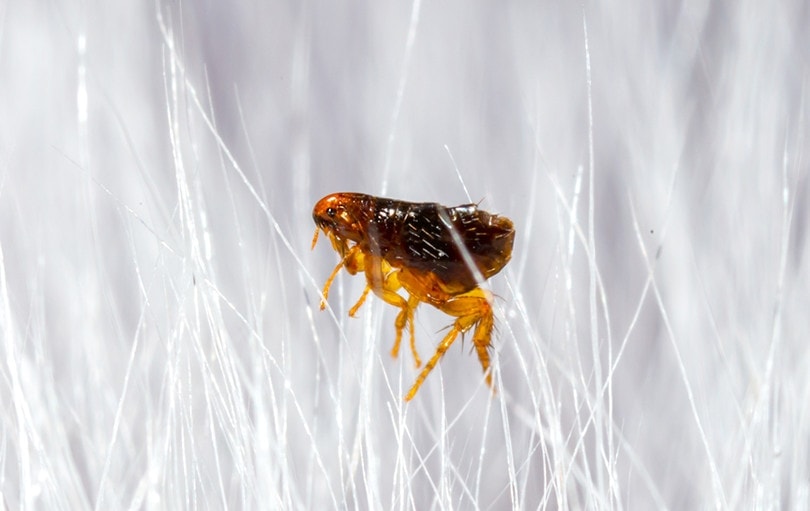
As a lifelong dog lover and veterinarian with over 15 years of experience, I‘ve seen firsthand the misery that flea infestations can inflict on our canine companions. These tiny, wingless parasites may seem like a mere nuisance, but the truth is fleas can pose a serious threat to your dog‘s health and quality of life – even becoming life-threatening in severe cases.
If you‘re a dog owner, it‘s crucial to understand the risks associated with fleas, learn to recognize the signs of an infestation, and take prompt action to treat your dog and your home. In this comprehensive guide, I‘ll share my expertise on flea biology, the dangers they pose to dogs, and the most effective strategies for treatment and prevention. Armed with this knowledge, you can keep your furry friend healthy, happy, and flea-free.
The Scope of the Flea Problem
Fleas are incredibly common, affecting dogs all over the world. Consider these statistics:
- 1 in 10 dogs in the US is infested with fleas at any given time (Companion Animal Parasite Council, 2022)
- Flea allergy dermatitis accounts for over 50% of all dog skin conditions (American Veterinary Medical Association, 2021)
- Fleas can consume up to 15 times their body weight in blood daily (Rust & Dryden, 1997)
In my veterinary practice, not a day goes by without treating a dog for fleas or flea-related health issues. From itchy, miserable puppies to anemic seniors, I‘ve seen the devastating impact these tiny pests can have. That‘s why I‘m so passionate about educating dog owners on this topic – with the right knowledge and tools, we can win the war on fleas.
Understanding Flea Biology
To effectively combat fleas, it helps to know your enemy. Fleas are wingless insects that feed solely on the blood of mammals and birds. There are over 2,000 flea species worldwide, but the cat flea (Ctenocephalides felis) is the most common culprit in dog infestations.
An adult flea can live for several months and consume up to 15 times its body weight in blood daily. A single female flea can lay up to 50 eggs per day, which fall off your dog into carpets, bedding, and your yard. These eggs hatch into larvae within days, then spin cocoons and become pupae. The pupae can lie dormant for months waiting for a host, making them difficult to eradicate.
| Flea Life Stage | Duration |
|---|---|
| Egg | 2 days to 2 weeks |
| Larva | 5-20 days |
| Pupa | 5-14 days (up to 1 year) |
| Adult | Several months |
Table 1. Duration of each stage in the flea life cycle. Adapted from Rust & Dryden, 1997.
When a host animal passes by, the pupae hatch into adult fleas and jump aboard, starting the cycle anew. Under ideal conditions, the entire flea life cycle can be completed in as little as 3 weeks, leading to explosive population growth.
The Health Risks of Fleas for Dogs
Fleas are far more than just a nuisance for dogs. These blood-sucking parasites can cause a wide range of health issues, from mild itching to life-threatening anemia.
The most common problem associated with fleas is flea allergy dermatitis (FAD), an allergic reaction to flea saliva that causes intense itching and skin irritation. Affected dogs may scratch and bite at their skin incessantly, leading to hair loss, hot spots, and secondary skin infections. FAD is incredibly common, accounting for over half of all skin conditions in dogs.
But the risks don‘t stop there. In heavy infestations, the blood loss from flea feeding can lead to anemia, a dangerous drop in red blood cells. This is especially concerning for puppies and small dogs, who have less blood to spare. Symptoms of flea-related anemia include pale gums, weakness, and rapid breathing – if you notice these signs, see your vet immediately.
Fleas can also transmit other parasites and diseases:
- Tapeworms: If your dog ingests an infected flea while grooming, that flea can transmit a tapeworm. Around 50% of dogs with fleas also have tapeworms.
- Bartonellosis: Also known as cat scratch disease, this bacterial infection can be transmitted by fleas and cause fever, lymph node swelling, and other symptoms.
- Mycoplasma haemocanis: This blood parasite can cause anemia in infected dogs.
As a vet, I‘ve seen the devastating effects of untreated flea infestations firsthand. I‘ll never forget the case of Max, a tiny Yorkie puppy who was brought into my clinic weak, pale, and barely responsive. A flea comb revealed hundreds of fleas feasting on his tiny body. We hospitalized Max for a blood transfusion and aggressive flea treatment, and thankfully he pulled through – but it was a stark reminder of just how dangerous fleas can be.
Signs of a Flea Infestation in Dogs
Catching a flea infestation early is key to preventing serious health consequences for your dog. As a dog owner, it‘s important to be vigilant and know the signs of fleas:
- Scratching, biting, or licking excessively, especially at the base of the tail, hind legs, or belly
- Hair loss, scabs, or hot spots on the skin from self-trauma
- "Flea dirt" (flea feces) in the fur, which looks like black pepper flakes and turns reddish when wet
- Pale gums, a sign of anemia from blood loss
- Tapeworm segments that look like grains of rice around your dog‘s bottom or in their feces
If you spot any of these signs, don‘t wait – take action immediately. Comb your dog thoroughly with a fine-toothed flea comb, paying special attention to the neck, tail base, and hind legs. If you find live fleas or flea dirt, it‘s time to start treatment.
Treating Flea Infestations: A Multi-Pronged Approach
Effectively treating a flea infestation requires a comprehensive approach that targets fleas at every life stage and location. This means treating your dog, your home, and your yard simultaneously. Here‘s my step-by-step guide:
-
Start with a vet-recommended flea treatment for your dog. Oral tablets like Capstar (nitenpyram) start killing adult fleas within 30 minutes, while spot-on treatments like Frontline Plus (fipronil + S-methoprene) and collars like Seresto (imidacloprid + flumethrin) provide continuous protection for weeks to months. Always follow the product label instructions and weight guidelines.
-
Bathe your dog with a vet-approved flea shampoo containing pyrethrins or permethrin to kill any fleas on the skin and soothe irritation. Lather thoroughly and let sit for at least 5 minutes before rinsing. Never use dog flea products on cats, as many contain pyrethrins which are toxic to felines.
-
Comb your dog daily with a flea comb, focusing on the neck, tail base, and hind legs. Dunk any live fleas in a bowl of soapy water to drown them. Flea combing not only removes fleas but also helps you monitor the infestation‘s severity over time.
-
Wash all bedding, blankets, and toys your dog has contact with in hot water and dry on high heat to kill flea eggs and larvae. If your dog sleeps with you, make sure to wash your own bedding as well.
-
Vacuum your entire home thoroughly, especially carpets, rugs, and upholstery. Pay extra attention to crevices where flea eggs and pupae can hide, like baseboards and furniture cushions. Immediately dispose of the vacuum bag or contents in an outdoor trash bin. Repeat vacuuming daily until the infestation is resolved.
-
Consider professional pest control for severe infestations, especially if you have a large home or a heavily infested yard. Exterminators can apply insecticides that target fleas at every life stage, helping to break the reinfection cycle.
It‘s important to understand that the majority of the flea population (around 95%) is in the environment, not on your dog. This means that simply treating your dog is not enough – you must also eliminate the eggs, larvae, and pupae in your home and yard to fully resolve the infestation. Failing to do so will result in continued reinfection as newly hatched fleas jump back onto your dog.
| Flea Treatment | Effectiveness |
|---|---|
| Oral tablets | Starts killing fleas within 30 minutes; lasts 24 hours |
| Spot-on treatments | Kills fleas within 12 hours; protects for 30-90 days |
| Collars | Continuous protection for up to 8 months |
| Shampoos | Kills fleas on contact; no residual protection |
| Combing | Physically removes fleas; helps monitor infestation |
| Washing bedding | Kills eggs and larvae in fabrics |
| Vacuuming | Removes up to 30% of flea population from carpets |
| Professional treatment | Thorough insecticide application to indoor and outdoor areas |
Table 2. Comparison of flea treatment options and their effectiveness. Always consult with your veterinarian before starting any flea control regimen.
Preventing Future Flea Infestations
Once you‘ve successfully eradicated fleas from your dog and home, your focus should shift to preventing reinfestation. As the adage goes, an ounce of prevention is worth a pound of cure – and this couldn‘t be truer when it comes to fleas. Here are my top tips for keeping your dog flea-free:
-
Keep your dog on year-round flea preventative medication. This is non-negotiable for effective flea control. Work with your vet to choose the best option for your dog based on their age, health status, and lifestyle. Consistency is key – set reminders so you never miss a dose.
-
Regularly wash your dog‘s bedding in hot water and vacuum your home at least weekly, especially if your dog spends time outdoors. This will help remove any fleas or eggs that hitchhiked inside on your dog‘s fur.
-
Keep your lawn well-maintained by mowing regularly and removing leaf litter and other organic debris where flea larvae can thrive. Consider treating your outdoor spaces with a pet-safe yard spray to kill fleas and deter other pests.
-
Inspect your dog for fleas at least monthly, or anytime they seem itchy or uncomfortable. Use a flea comb to check for live fleas or flea dirt, paying close attention to the neck, tail base, and hind legs. Early detection is key to preventing a full-blown infestation.
-
Limit your dog‘s exposure to high-risk areas like dog parks, kennels, or other places where many dogs congregate and fleas can easily spread. If your dog does visit these areas, check them thoroughly for fleas afterwards and consider using a fast-acting oral flea treatment as a precaution.
The Importance of Veterinary Guidance
While many flea infestations can be managed at home, there are times when it‘s crucial to seek veterinary care. You should always consult with your vet before starting any flea control regimen, as they can recommend the safest and most effective products for your individual dog based on their age, health status, and other factors.
Additionally, see your vet right away if you notice:
- Pale gums, lethargy, or weakness (signs of anemia)
- Raw, oozing skin or hair loss from excessive scratching
- Tapeworm segments in your dog‘s feces or around their anus
- Failure to improve after 2-3 weeks of home flea treatment
Your vet can prescribe stronger flea medications, treat secondary infections, and perform diagnostic tests to check for parasites or other underlying health issues. Don‘t hesitate to reach out to your vet with any questions or concerns about fleas – we‘re here to help!
A Final Word: The Emotional Toll of Fleas
As a dog lover myself, I know firsthand how distressing it can be to see your furry friend suffer from fleas. It‘s heartbreaking to watch them scratch and bite at their skin, knowing how uncomfortable they must be. Flea infestations can take a significant emotional toll on both dogs and their owners, leading to stress, anxiety, and sleepless nights.
But here‘s the good news: with diligent treatment and prevention, you can eliminate fleas and keep your dog healthy and happy. It may take some time and effort, but the relief of seeing your dog itch-free and playful again is well worth it.
If you‘re struggling with fleas, remember that you‘re not alone. Lean on your veterinarian for guidance and support, and don‘t be too hard on yourself. Fleas are a common problem faced by countless dog owners, and with the right tools and knowledge, you can win the battle against these pesky parasites.
So give your dog an extra snuggle today, and commit to being their first line of defense against fleas. Together, we can keep our canine companions thriving and flea-free for years to come.
References
- American Veterinary Medical Association. (2021). Flea allergy dermatitis. https://www.avma.org/resources/pet-owners/petcare/flea-allergy-dermatitis
- Companion Animal Parasite Council. (2022). Fleas. https://capcvet.org/guidelines/fleas/
- Rust, M. K., & Dryden, M. W. (1997). The biology, ecology, and management of the cat flea. Annual Review of Entomology, 42(1), 451-473. https://doi.org/10.1146/annurev.ento.42.1.451