Beyond the Border Collie: 15 Breeds That Share Their Remarkable Traits

As a dog lover and veterinary expert, I‘ve always been fascinated by the intelligence, energy, and unwavering devotion of the Border Collie. These exceptional herding dogs have captured the hearts of many with their striking looks, keen minds, and impressive working abilities. But what if you‘re drawn to the Border Collie‘s traits but looking for a breed that might better suit your lifestyle? In this article, we‘ll explore 15 incredible dog breeds that share many of the Border Collie‘s most desirable characteristics.
The Legacy of the Border Collie
To understand why these breeds are so special, let‘s first delve into the history and evolution of the Border Collie. Originating in the border region between England and Scotland, the Border Collie was developed in the 19th century to help farmers and shepherds manage their flocks. According to the American Kennel Club (AKC), these dogs were selectively bred for their intelligence, stamina, and "eye"—an intense, hypnotic stare used to control livestock.
Over time, the Border Collie‘s exceptional talents have made them a popular choice for various working roles, from search and rescue to therapy work. They have also excelled in competitive sports like agility, obedience, and flyball. In fact, a Border Collie named Chaser holds the Guinness World Record for "most toys recognized by a dog," with an impressive vocabulary of over 1,000 words!
But while the Border Collie‘s talents are undeniable, their high energy levels and intense focus may not be suitable for every household. Fortunately, there are many other breeds that offer similar traits while being more adaptable to different living situations.
Herding Breeds: A Family of Intelligent and Energetic Dogs
Many of the breeds that share traits with the Border Collie belong to the Herding Group, a diverse collection of dogs originally developed to help farmers and ranchers manage livestock. These breeds are known for their intelligence, trainability, and strong work ethic.
| Breed | Origin | Height (in) | Weight (lbs) | Lifespan (yrs) |
|---|---|---|---|---|
| Australian Cattle Dog | Australia | 17-20 | 35-50 | 12-16 |
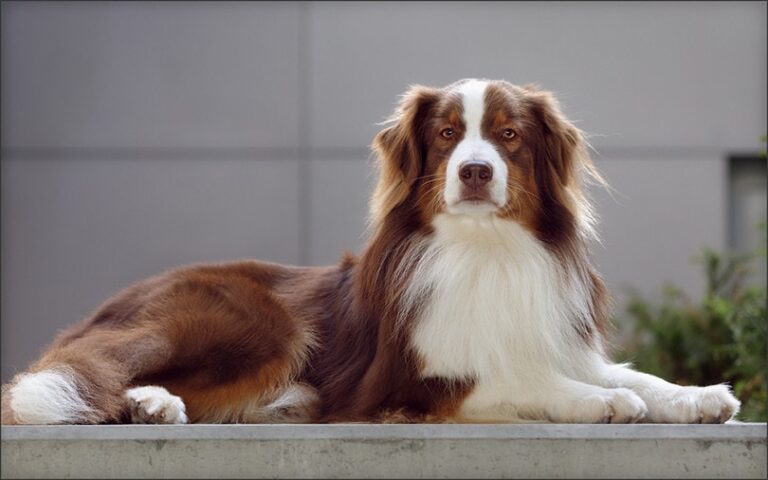
| Australian Shepherd | United States | 18-23 | 40-65 | 12-15 |
| Beauceron | France | 24-27 | 70-110 | 10-12 |
| Belgian Malinois | Belgium | 22-26 | 40-80 | 14-16 |
| Belgian Tervuren | Belgium | 22-26 | 40-70 | 12-14 |
| Bergamasco Sheepdog | Italy | 22-24 | 57-84 | 13-15 |
| Berger Picard | France | 21-26 | 50-70 | 12-13 |
| Briard | France | 22-27 | 55-100 | 10-12 |
| Canaan Dog | Middle East | 19-24 | 35-55 | 12-15 |
| Catahoula Leopard Dog | United States | 20-26 | 50-95 | 10-14 |
Data sourced from the American Kennel Club (AKC) and various breed clubs.
As you can see, these breeds come in a wide range of sizes, from the compact Australian Cattle Dog to the large and powerful Beauceron. But what they all have in common is a keen intelligence, a strong desire to work, and an affinity for human companionship.
The "Eye" of the Herder
One of the most fascinating aspects of herding breeds is their unique working style, which has been shaped by the specific needs of the livestock and terrain in their native regions. For example, Border Collies are known for their intense, stalking "eye"—a mesmerizing gaze used to control and move sheep. This style is well-suited to the hilly, rugged terrain of the Scottish Borders, where a more aggressive approach could cause the sheep to scatter.
In contrast, Australian Cattle Dogs and Australian Shepherds tend to use a looser, more upright herding style known as "heeling." This involves nipping at the heels of cattle to keep them moving in the desired direction, a technique that works well in the vast, open spaces of Australia and the American West.
Other breeds, like the Belgian Malinois and German Shepherd, have been used for a variety of herding tasks, from tending to flocks of sheep to guarding livestock against predators. These breeds are known for their courage, stamina, and ability to work independently when needed.
Born to Work: The Drive to Succeed
One trait that all of these breeds share is a strong work ethic and a desire to please their human companions. In fact, a study by the University of Stockholm found that Border Collies and other herding breeds have a higher prevalence of a gene mutation associated with "working dog behavior," which includes traits like focus, persistence, and the ability to ignore distractions.
This drive to work can be both a blessing and a curse for owners of these breeds. On one hand, it means that these dogs are highly trainable and excel in a variety of sports and activities. On the other hand, it also means that they require a significant amount of mental and physical stimulation to stay happy and well-behaved.
According to a survey by the Border Collie Society of America, the majority of Border Collie owners spend at least two hours per day exercising and training their dogs. This includes activities like hiking, running, playing fetch, and participating in dog sports like agility and flyball.
For owners who are unable to provide this level of engagement, these breeds can quickly become bored and destructive. They may develop behavioral issues like excessive barking, chewing, or digging, or even start herding children or other pets in an attempt to find an outlet for their energy.
The Importance of Early Training and Socialization
Given their high intelligence and strong working drive, it‘s crucial to start training and socialization early with these breeds. Puppies should be exposed to a variety of people, animals, and environments from a young age to help them develop into confident, well-adjusted adults.
Positive reinforcement training methods, such as clicker training and reward-based systems, are particularly effective with these breeds. They respond well to consistent, clear communication and enjoy the mental challenge of learning new tasks and commands.
It‘s also important to establish clear boundaries and rules from the start, as these breeds can quickly develop bad habits if not given proper guidance. This may include teaching them not to jump up on people, not to chase or herd other animals, and to come when called.
Enrolling in a puppy socialization class or working with a professional trainer can be a great way to get started on the right foot. These classes provide a safe, controlled environment for puppies to learn important social skills and begin their training journey.
Bred for Health: The Importance of Responsible Breeding
Like all purebred dogs, the breeds that share traits with Border Collies can be prone to certain health issues. Some of the most common concerns include hip dysplasia, eye disorders like progressive retinal atrophy (PRA), and epilepsy.
To help minimize the risk of these issues, it‘s important to choose a reputable breeder who performs health screenings on their breeding stock and follows responsible breeding practices. This includes testing for genetic disorders, providing proper veterinary care, and ensuring that puppies are well-socialized before going to their new homes.
Breed-specific rescues can also be a great option for those looking to adopt an adult dog. These organizations often have a thorough understanding of the breed‘s needs and can help match you with a dog that fits your lifestyle and experience level.
In addition to choosing a healthy, well-bred dog, owners can also take steps to maintain their dog‘s health throughout their life. This includes providing a balanced diet, keeping them at a healthy weight, and scheduling regular check-ups with a veterinarian.
Finding the Right Fit: Choosing a Breed That Matches Your Lifestyle
While all of the breeds we‘ve discussed share some similarities with the Border Collie, they each have their own unique characteristics and needs. Some, like the Australian Cattle Dog and Belgian Malinois, are better suited to experienced owners who can provide plenty of structure and exercise. Others, like the Shetland Sheepdog and Rough Collie, may be more adaptable to a variety of living situations.
When choosing a breed, it‘s important, to be honest about what you can provide in terms of time, energy, and resources. Consider factors like your living space, work schedule, and activity level, as well as your experience with dogs and training.
It‘s also a good idea to spend time with dogs of your chosen breed before making a commitment. Attend a local dog show or event, visit a breeder or rescue, and talk to experienced owners to get a better sense of what life with that breed is really like.
Conclusion: A Lifetime of Love and Learning
Whether you choose a Border Collie or one of the many breeds that share their remarkable traits, owning a high-energy, intelligent dog can be a deeply rewarding experience. These dogs thrive on human companionship and are always eager to learn new things and take on new challenges.
But with great intelligence comes great responsibility. These breeds require a significant investment of time, energy, and resources to reach their full potential. They need plenty of exercise, mental stimulation, and training to stay happy and well-behaved.
For those who are up to the challenge, however, the rewards are immeasurable. These dogs will be your constant companion, your partner in adventure, and your most loyal friend. They will push you to be your best self and show you the true meaning of unconditional love.
So if you‘re ready to embark on a lifetime of learning and love with a Border Collie or one of their canine cousins, do your research, choose responsibly, and prepare for the ride of your life. You won‘t regret it.