
Weshi (West Highland White Terrier & Shih Tzu Mix): Info, Pictures, Care & More!

Introducing the Weshi: The Adorable West Highland White Terrier Shih Tzu Mix
Are you looking for a small dog with a big personality? Meet the weshi – an increasingly popular designer dog that crosses the spunky West Highland white terrier with the affectionate shih tzu. With its cute looks, entertaining antics, and loving nature, the weshi can be a wonderful companion for the right home.
In this comprehensive guide, we‘ll tell you everything you need to know about the weshi dog breed, including its characteristics, temperament, training and care needs, and more. Whether you‘re considering adding a weshi to your family or just want to learn about this fascinating mix, read on for an in-depth look at this delightful little dog.
Breed Overview
The weshi is a relatively new and still rare designer hybrid, but one that‘s quickly winning hearts with its endearing appearance and personality. Crossing the lively West Highland white terrier with the sweet, lap-loving shih tzu results in compact companion dogs that inherit many of the most appealing traits from both parent breeds.
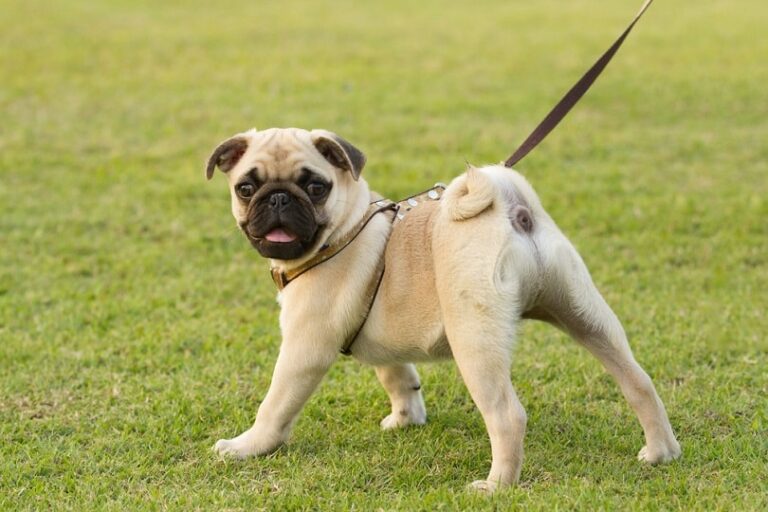
Also known as the Westie tzu or Westie shih tzu mix, this crossbreed typically stands 8-11 inches tall and weighs 16-20 pounds fully grown, with females tending a bit smaller than males. They have round heads with short muzzles, dark button eyes, and floppy ears on a sturdy body, usually with the shorter legs of the shih tzu.
Weshis can inherit a double coat like the Westie or a longer, silkier coat like the shih tzu. Colors include white, cream, black, gray, brown, gold, and brindle. With regular brushing, their dense fur doesn‘t shed too heavily, making them a good choice for allergy sufferers.
These are energetic, alert little dogs that love being the center of attention in their families. Weshis bond very closely with their owners and always want to be where the action is, whether it‘s playtime or snuggle time. They‘re generally cheerful, friendly, and affectionate to everyone, greeting friends and strangers alike with enthusiasm.
However, without proper training and socialization, weshis can develop less desirable small dog traits like stubbornness, barkiness, aggression, and separation anxiety. Their smarts and independent nature means they need patient, consistent training from puppyhood to become well-mannered adult dogs.
Firm boundaries, positive reinforcement, and plenty of mental stimulation are a must for weshis to keep their clever minds occupied and bring out their best qualities. For experienced dog owners willing to put in the time and effort, weshis make incredibly charming, devoted companions that will constantly entertain you with their perky antics and over-the-top personalities.
Temperament and Personality
The weshi‘s sparkling personality is one of the main reasons for the breed‘s growing popularity. These diminutive dogs seem to have no idea they‘re small in stature – they have the confidence and charisma of a much larger dog packed into a portable, apartment-friendly size.
Weshis are known for being:
- Lively and energetic, always on the go
- Friendly, outgoing, eager to greet everyone they meet
- Affectionate and loving with their families, following them from room to room
- Alert and curious about their surroundings, quick to sound the alarm at any new sights or sounds
- Intelligent and responsive, picking up new commands easily
- Independent and stubborn, with a mind of their own
- Playful and fun-loving, up for games and mischief
- Attention-seeking, happiest as the star of the show
While weshis tend to be cheerful, sociable dogs, they do need early, ongoing socialization to be at their best. A weshi that isn‘t adequately socialized to different people, animals, and situations can become anxious, yappy, and even nippy when their boundaries are challenged. They may also channel their boredom and extra energy into destructive chewing and digging.
Weshis do best with active families who will give them plenty of exercise, playtime, and togetherness. Their portable size and moderate exercise needs make them adaptable to different living situations, including apartments, as long as they get enough activity and attention. They‘re affectionate with kids but may play too roughly for little ones, so they‘re recommended for homes with older children.
With their bossy personalities, weshis may not back down from a challenge with other dogs and will chase smaller pets, so they‘re not always the best fit for multi-pet households. They also don‘t like being left alone for long periods and can develop separation anxiety, so they‘re happiest with someone home for most of the day.
Overall, weshis can be wonderful companion dogs for the right owners. They‘re cute, smart, spunky, and full of love and laughs. Just be prepared for an opinionated little dog that needs patient training and leadership to become a well-behaved family member. If you give your weshi the guidance and attention they crave, you‘ll be rewarded with a clever, devoted, endlessly entertaining best friend.
Training
The weshi‘s intelligence is both a blessing and a curse when it comes to training. On one hand, these smart cookies catch on to new commands quickly. On the other hand, their independent nature means they don‘t always feel compelled to follow the rules. Many weshis would rather do their own thing than listen, unless you can convince them there‘s something in it for them.
But while weshis can be challenging to train, it‘s definitely doable – and absolutely necessary for a happy life together. The key is to start training your weshi puppy as early as possible, using positive reinforcement methods like treats, praise, and play. Keep sessions short and fun so your clever weshi stays engaged.
One of the first things to teach your weshi is basic obedience commands like sit, stay, come, and leave it. Make sure your weshi has these key commands down pat, as they‘re essential for keeping your dog under control and out of trouble. Socialization to different people, dogs, and environments is also critical for weshis, as they can be suspicious and snippy without adequate exposure.
Housetraining can take some time and patience with weshis, as they can be stubborn about going in the designated spot. Crate training can be a helpful tool for housetraining and giving your weshi a safe space of their own. Teach your dog that good things happen in the crate, and never use it for punishment.
Because of their fiery terrier heritage, weshis may exhibit some challenging behaviors like chasing and barking if not redirected to more appropriate outlets. Teaching your weshi the "quiet" command and providing plenty of interactive play and puzzle toys can help keep these impulses under control.
Weshis can also be prone to separation anxiety if not taught to feel secure on their own. Practice leaving your weshi alone for short periods and gradually increasing the duration. Providing a special toy or treat when you leave can also help your dog learn that alone time isn‘t scary.
As with any dog, consistency is everything when training a weshi. Make sure everyone in the household is on the same page about the rules and reinforces them gently but firmly. With clear boundaries, positive guidance, and confidence-building socialization, your smart, spirited weshi can grow into a well-mannered companion.
Exercise Needs
Don‘t let the weshi‘s small size fool you – these mighty mites need regular exercise to stay happy and healthy. Weshis usually have moderate to high energy levels and love being on the go, whether it‘s a walk around the block or a lively play session in the backyard.
Aim to give your adult weshi at least 30-60 minutes of exercise per day, broken up into a couple of sessions. A good daily routine might include a brisk 20-30-minute walk in the morning, plus some playtime or another walk later in the day. Weshis also love hiking, jogging, and other adventures with their owners.
In addition to physical exercise, weshis need plenty of mental stimulation to keep their active minds engaged. These intelligent dogs bore easily and may come up with their own entertainment in the form of destructive chewing or excessive barking. Interactive toys, food puzzles, hide-and-seek games, and trick training are all great ways to challenge your weshi‘s brain.
Because of their shortened snouts, some weshis may be prone to breathing issues and overheat easily. Watch your weshi for signs of fatigue and keep walks shorter in hot weather. Avoid overexerting your weshi, especially as a puppy when their joints and bones are still developing.
Weshis can adapt well to apartment living as long as they get enough exercise and attention. A securely fenced yard is ideal for off-leash playtime, but these escape artists may find ways to slip out if given the chance, so supervise them closely. A harness can give you more control than a collar on walks.
If your weshi exhibits symptoms of anxiety or over-arousal like spinning or tail chasing, try giving them a job to do like carrying a backpack or focusing on a puzzle toy. Providing the right amount of mental and physical activity for your individual weshi‘s needs is key to avoiding problem behaviors down the road.
With appropriate outlets for their energy, weshis are generally content to chill out with their owners in the downtime between activities. These cuddly lap dogs love nothing more than snuggling up next to you on the couch after a satisfying walk or game. Giving your weshi enough exercise is truly a win-win – you‘ll have a calm, happy dog and a stronger bond with your beloved companion.
Grooming and Care
One of the appealing qualities of the weshi is its low-shedding coat, thanks to the shih tzu influence. However, that doesn‘t mean weshis are maintenance-free in the grooming department. These fluffy little dogs still need regular brushing and upkeep to look and feel their best.
Weshis can inherit either the shih tzu‘s long, silky locks or the West Highland white terrier‘s dense, wiry double coat. Either way, you should plan to brush your weshi at least a few times a week to remove tangles and prevent matting. If your weshi has a longer coat, daily brushing may be necessary.
In addition to brushing, weshis need occasional baths, nail trims, and ear cleanings to round out their grooming routine. Aim to bathe your weshi every month or two, depending on how dirty they get. Brush their teeth a few times a week and check their ears weekly for signs of infection like redness, discharge, or odor.
Some weshi owners opt to keep their dogs in a shorter puppy cut, which can make brushing and maintenance easier. If you‘re not confident trimming your weshi‘s coat yourself, take them to a professional groomer every 6-8 weeks for a cut and style. Regularly combing and trimming the hair around your weshi‘s eyes can help prevent irritation and staining.
Because of their flatter faces, weshis may be more prone to dental issues like overcrowded teeth and gum disease. Feeding your weshi a dental-friendly diet, using teeth-cleaning toys and treats, and brushing their teeth regularly can help keep their mouths healthy. Your vet may also recommend professional dental cleanings as your weshi gets older.
Other grooming considerations for weshis include keeping their skin moisturized to prevent dryness and flaking, and cleaning their facial wrinkles and tear stains as needed. A bit of coconut oil massaged into the skin and hair can help keep your weshi‘s coat soft and healthy.
While weshis don‘t need extensive grooming, they do require more upkeep than some short-coated breeds. Make sure you‘re prepared for the time and expense of maintaining your weshi‘s coat before bringing one home. With a consistent grooming routine and plenty of positive reinforcement, you can keep your weshi looking and feeling great for years to come.
Health and Lifespan
Like all dogs, weshis are prone to certain health issues based on their breeding. While mixed-breed dogs are often healthier than their purebred parents, it‘s still important for weshi owners to be aware of the potential problems their dogs may face.
In general, weshis are relatively healthy dogs with an average lifespan of 12-15 years. However, they can inherit some of the health concerns associated with West Highland white terriers and shih tzus, such as:
- Allergies and skin problems
- Dental issues like tooth decay and gum disease
- Respiratory problems like tracheal collapse and brachycephalic airway syndrome
- Eye conditions like cataracts, dry eye, and progressive retinal atrophy
- Orthopedic issues like luxating patellas and hip dysplasia
- Digestive disorders like pancreatitis and inflammatory bowel disease
- Hormonal imbalances like hypothyroidism and Cushing‘s disease
- Neurological conditions like white shaker dog syndrome
Of course, not every weshi will develop these health problems, and many go on to lead long, healthy lives with proper care. The best way to ensure your weshi stays healthy is to work with a reputable breeder who screens their breeding stock for genetic issues and provides health clearances for the parents.
Once you bring your weshi puppy home, it‘s important to keep up with regular vet check-ups, vaccinations, and preventive care like flea/tick and heartworm medication. Feed your weshi a high-quality diet appropriate for their age and size, and avoid overfeeding to prevent obesity, which can lead to a host of health issues.
Keeping your weshi at a healthy weight, providing plenty of exercise and mental stimulation, and staying on top of grooming and dental care can all help your dog live a longer, healthier life. Be sure to brush your weshi‘s teeth regularly and have your vet check their teeth and gums at each visit.
If you notice any signs of illness or discomfort in your weshi, such as lethargy, loss of appetite, vomiting, diarrhea, coughing, or difficulty breathing, don‘t hesitate to contact your veterinarian. Catching and treating health problems early can make a big difference in your weshi‘s prognosis and quality of life.
By being a proactive, responsible owner and providing your weshi with a loving, healthy home environment, you can help your furry friend thrive well into their golden years. With a little luck and a lot of TLC, your weshi will be by your side as a happy, devoted companion for many years to come.




:%20Info,%20Pictures,%20Care%20&%20More!)